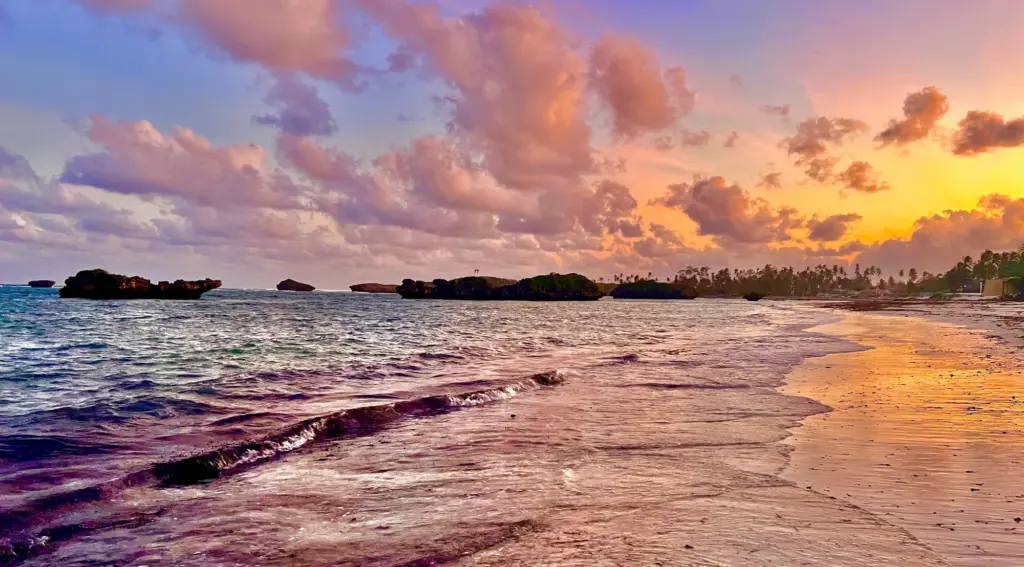
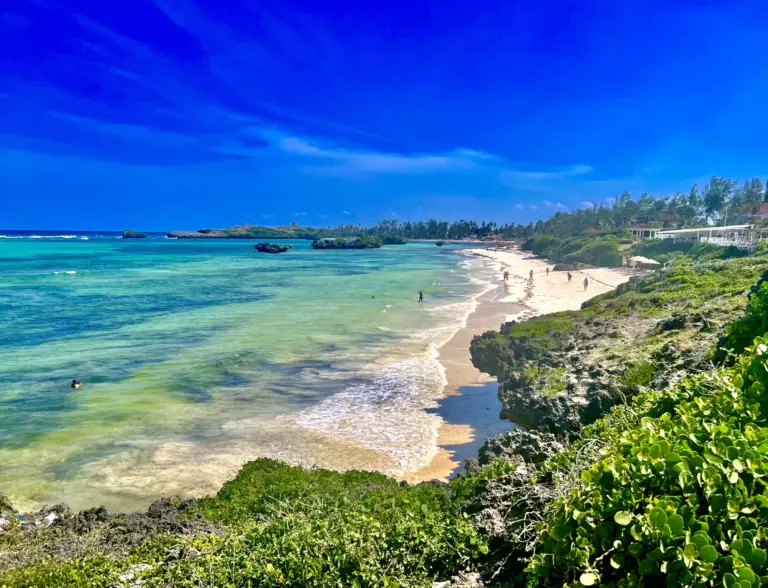
Watamu barely feels like a proper town. More like a medium-sized village spreading out. Villas. Beach hotels. A few restaurants worth planning around. Shops, dive outfits, kitesurf spots, bits of village life, and the sea never very far away.
Vibrant? No. Easy to like? Definitely.
What you’ll find here
Beach, creek, ruins, and more
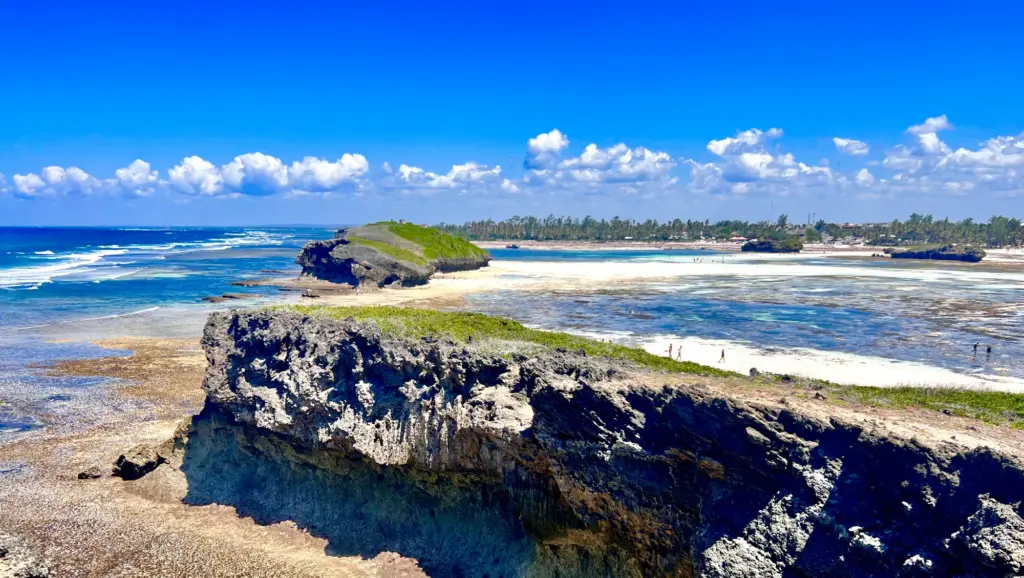
More than anything, Watamu is known as a beach destination. And yes, the beach is strong in this one. White sand. Warm water. Long shallow stretches. Sea colours that can look slightly postcard-ish around midday.
But that is only part of it.
There’s Mida Creek. There’s the reef, the marine park, the mangroves, and Gede Ruins. You can be in bright open water in the morning, move through mangroves later on, and still end up among old Swahili ruins before the day is done. Not bad for one small bit of coast.
The beaches are the obvious draw, and rightly so.
Most beaches along this part of East Africa have that fine, white, powdery sand you only find in a few places around the world. Simply put: some of the world’s best beaches are right here.
The Watamu Bay, north of the village, famously features the Seven Islands. I guess the real number depends on which ones you count and how you count them, but for marketing purposes, it sounds great. Between the islands and the shore, the water is often so shallow that you can walk around even at high tide without it reaching your neck. In some places, you can sit down on the sand and still keep your head above water.
The Watamu Bay is also home to Papa Remo, still one of the better restaurants in Watamu. A decade ago, this was a small, exquisite fine-dining beach restaurant. Today, it has grown into something much bigger and fancier, also famous for occasional huge beach parties. The atmosphere and and food remain great, though.
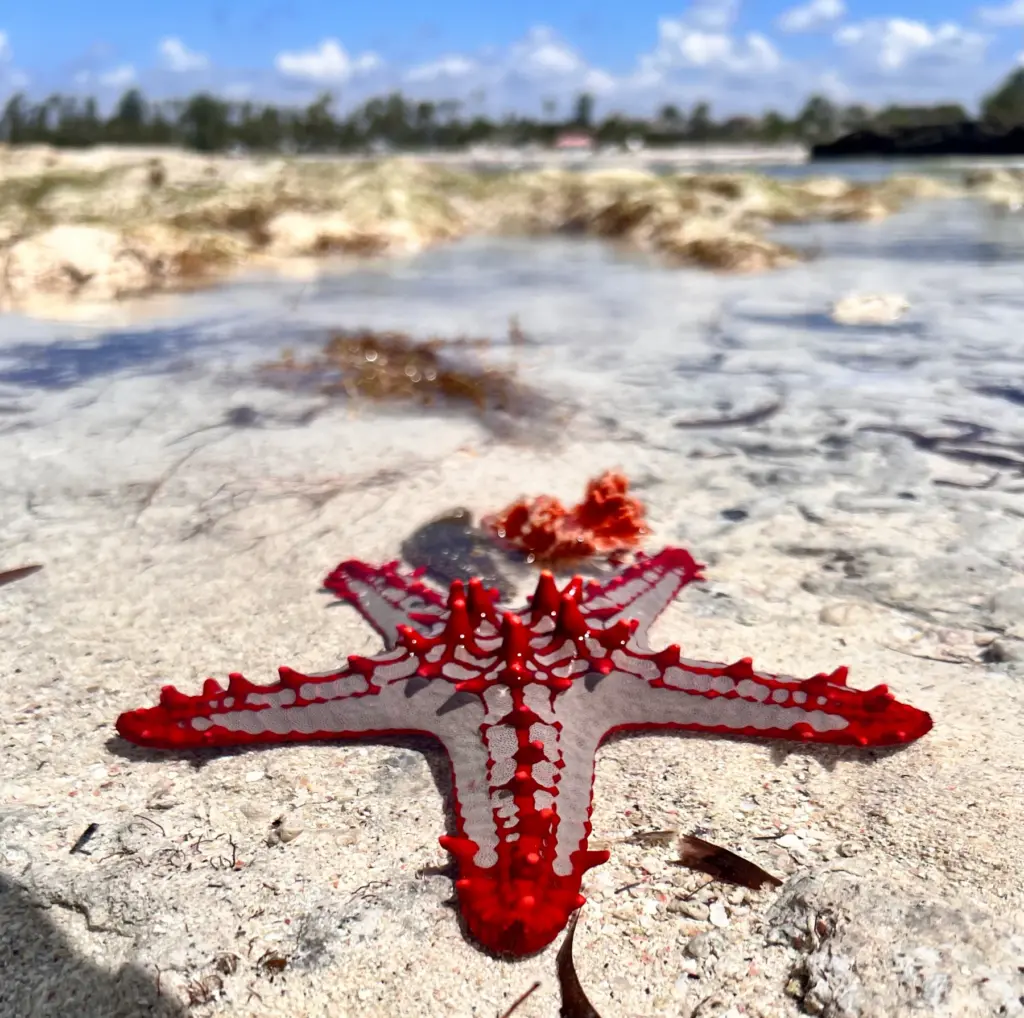
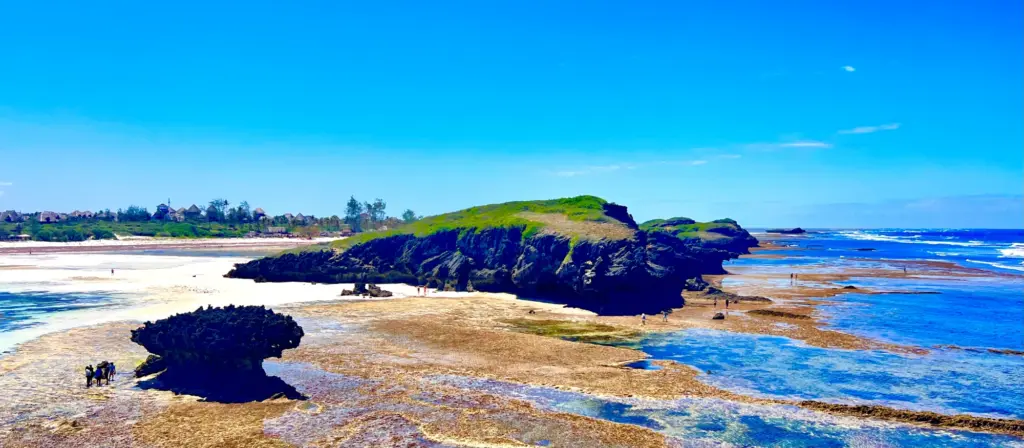
Right south of the village, there’s Blue Lagoon. Bright sand. Calm water. A world-class setting in clear need of someone to remove the dead seaweed washed in by the tide. It could also do with better establishments. On a good day, the lagoon looks like a place that deserved better than some of the hotels and beach bars that ended up around it.
There are still decent stops. Cocomo remains reliable for Mediterranean and Middle Eastern food. Sunset Lab next door does solid pizza. But Blue Lagoon as a whole feels slightly underwhelming. The setting is better than most of the product. Almost completely enclosed by dramatic cliffs on each side, and two smaller islands inbetween, this could and should have been a flagship feature of Watamu and the wider coast. Let’s start with the lingering smell of dead seaweed, though.
Further south, Turtle Bay is more hotel-driven. Fine if you are staying there. Less interesting if you are moving around and want a bit more life outside the gate.
Casuarina – in case you thought Watamu was laid-back
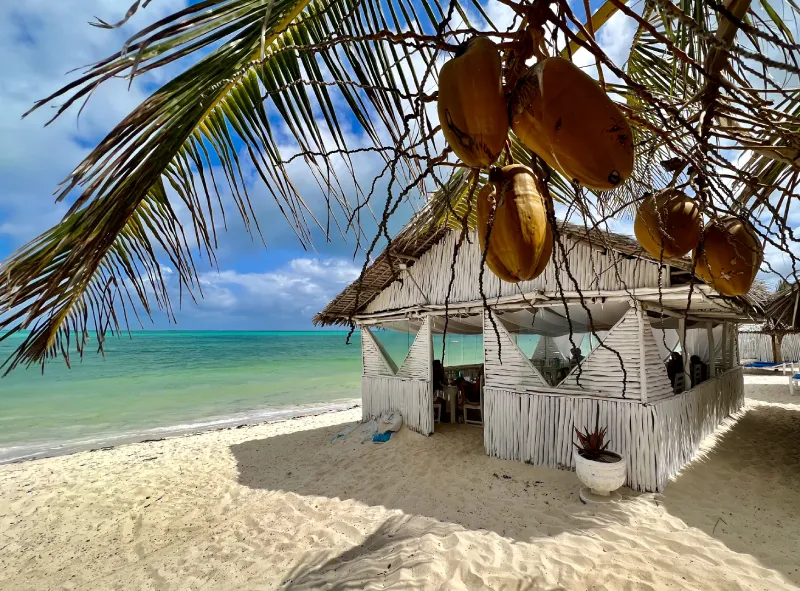
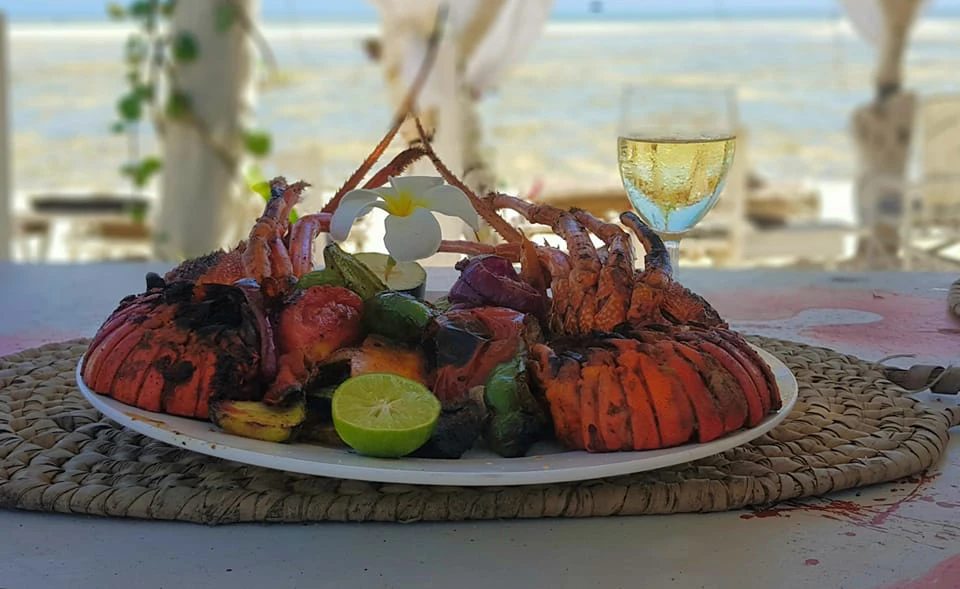
Further north again, Casuarina makes Watamu look crowded and busy.
More space between places. Dirt roads. Beach houses and hotels spread out over a vast space. Good restaurants mixed with some that seem to rely mainly on location and misplaced confidence. And then the long-running Italian presence that gives Watamu a lot of its character.
I’ll forgive casual visitors for thinking that the coast is a string of almost similar places. Mombasa has scale, history, trade, and vibrance. Lamu has cultural weight and much older depth in the streets. Kilifi has creek scenery, more physical drama, and some unique, quaint restaurants. Malindi has more town, more urban vibe, more nightlife, and also some historical monuments. Diani has vast, expansive, white beaches.
Then there’s Watamu. Less distinctive than the rest. Quieter too. But definitely never boring.
Geography may help explain a lot of that: While the B8 – the costal main road – passes through Malindi and Kilifi, it makes a detour around the Mida Creek. That keeps through-traffic from cutting straight through the middle of Watamu.
You feel that in Watamu: Less road noise. Less transit mess. Fewer people there by mistake.
Mida Creek – defining Watamu
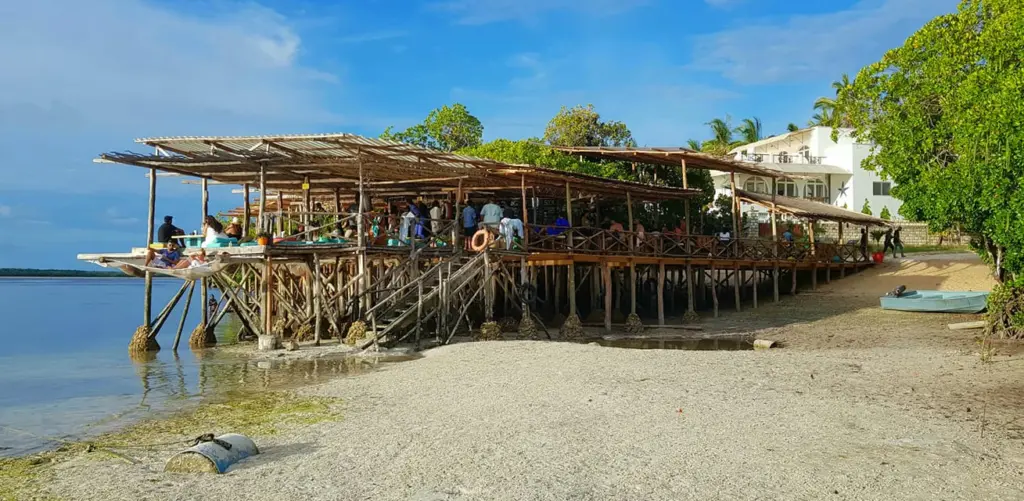
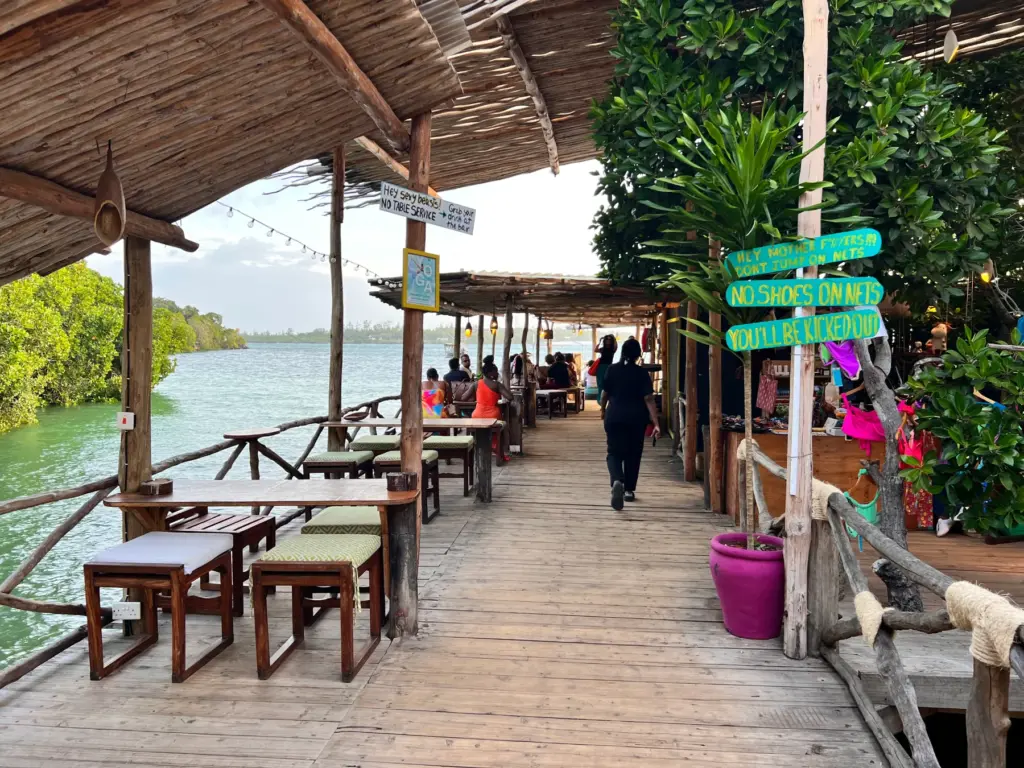
Mida Creek is the part of Watamu that makes the place more than another pretty beach stop. The beach side gives you white sand and easy swimming. The creek side gives you mangroves, birds, boardwalks, boats, and proper sunset territory.
One side is white beach, open blue, and tidal shallows. The other is roots, reflections, quiet water, and evening light.
Crab Shack became well known largely because of its creek setting: boardwalks through the mangroves, water below, and enough quiet to make the short detour feel worth it. It’s not a place I go looking for kitchen genius. Walking through the mangrove bridges is an experience in itself, though, and sitting out there snacking on some decent (but not Michelin-star) crab specialities is an experience you won’t find in many other places.
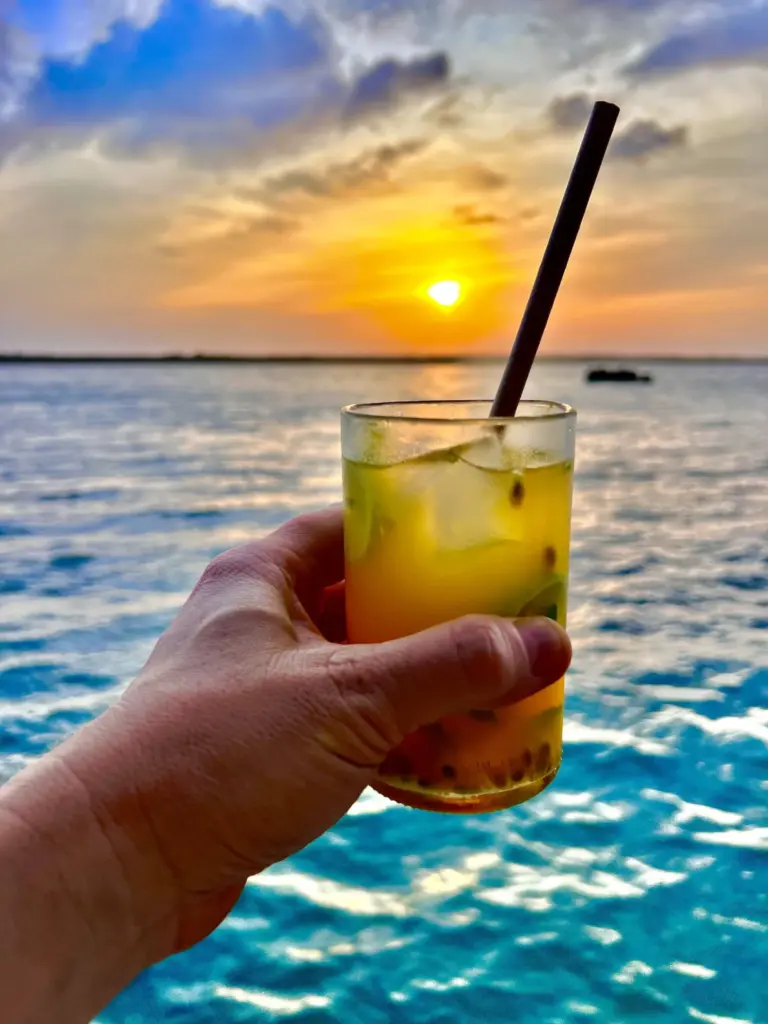
Further out towards Temple Point, Lichthaus has become one of the established sunset spots around Watamu. The cocktails are great. Far better than the food, although that is hardly a measurement of success. The famous nets hanging over the creek have to be booked by the hour, and getting a good table without prior reservation is ambitious even during low season.
Facing west, Lichthaus is also the only place in Watamu, and one of the few in North Coast offering a proper sunset view, so yeah, don’t miss out on a sundowner here. Just remember to book well in advance.
Gede Ruins – a UNESCO World Heritage Site


Gede Ruins, officially listed by UNESCO as the Historic Town and Archaeological Site of Gedi, is one of the strongest heritage sites on this stretch of the Kenyan coast.
Seriously undermarketed in the past, I hope the new status will also give Gede the prominence and exposure it always deserved.
These are not just old ruins near a beach resort area. They are the remains of a serious Swahili settlement, and one of the clearest physical links to the older coastal world of trade, religion, and urban life. Coral-stone walls, mosque remains, house plots, and the remains of a town that was once a key part of the Indian Ocean Trade.
That older Swahili heritage stands as a strong reminder that Watamu is so much more than just sand and sea.
You feel it more strongly in Lamu and at full urban scale in Mombasa. Malindi carries its own version too. In Watamu, you feel that depth in Gede.
Why I keep coming back
Harder to summarize in a sentence than many other coastal places, Watamu is a mixed bag of experiences.
The lagoon behind the islands is my favorite part, but so is Gede, the creek, the mangroves, Lichthaus. Some very decent Italian food too. And it’s worth mentioning that Non Solo Gelato, a Kenyan-Italian ice cream chain with a high “wow” factor to it, originated in Watamu.
Going for excessively lazy beach lunches in Casuarina. Going for an occasional beach party at Papa Remo. All of that is Watamu. So is forgetting about the world while there.
That is Watamu. A beach place, for sure. But also Mida Creek, Gede Ruins, mangroves, seafood, Italian food, beach parties, proper cocktails, and enough around it to make the place interesting beyond sun, sand, and sea.