
The Maasai Mara is Kenya’s strongest safari brand by far. No real argument there.
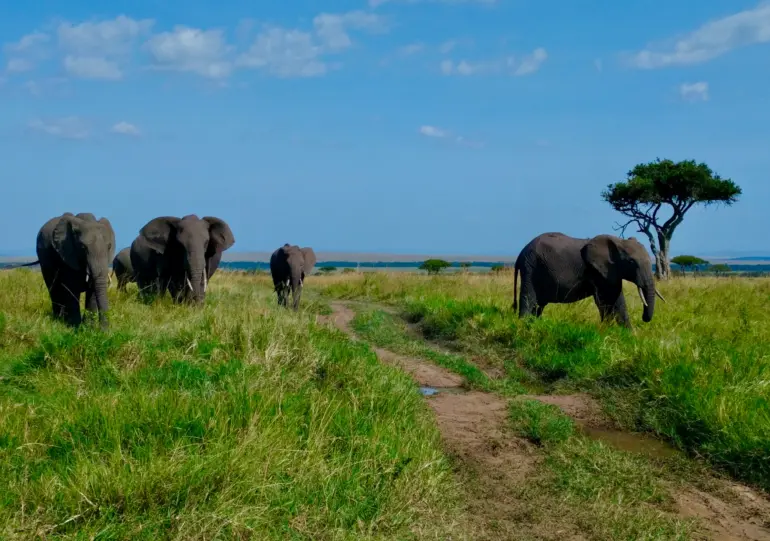
It forms part of the wider Serengeti ecosystem, with wildlife moving across the Kenya-Tanzania border through one of the most famous safari landscapes on the planet. Open plains. Soft hills. Long grass. Short grass. Green in some seasons, yellow in others. Acacia trees scattered across the distance. Occasional bushes where, frankly, you half expect lions to be hiding because very often they are.


What you’ll find here
Premium safari at a premium price
This is premium safari country, priced accordingly.
By road, Nairobi to Sekenani Gate is a 4+ hour run, depending on traffic, stops, and road conditions. Less if I drive, which nobody should treat as official travel advice. Lake Naivasha, Hell’s Gate, and Lake Nakuru National Park also fit naturally into a wider Rift Valley route if you want to turn the Mara into a bigger road trip instead of just blasting in and out.
For international visitors, the park fees are serious. USD 100 per adult per day in low season and USD 200 per adult per day in high season. At that level, you stop calling it “entry” and start calling it a financial decision. I invariably do my own driving, but add transport, accommodation, guide fees, conservancy fees where relevant, and the Maasai Mara quickly becomes one of the more expensive ways to look at animals that, thankfully, have no idea what you paid.
The accommodation scene reflects that. The Mara still has cheaper places, campsites, and more modest options, but a large part of the market has shifted into luxury. Proper luxury. Camps and lodges where a night can cost hundreds or thousands of dollars. Private decks, fine dining, spa treatments, plunge pools, polished service, and views that make the invoice slightly less offensive. Slightly.
The Mara has the celebrity stamp too. Madonna visited in 2016, Formula 1 driver George Russell was spotted there more recently, and Sir Richard Branson owns Mahali Mzuri, a luxury camp in the wider Mara ecosystem. Famous names, big wallets, open vehicles, lion sightings, sunset shots. You know the drill.
But the fame is not fake. The wildlife is absurd.
Maasai Mara – Big Five and Then Some
The Maasai Mara has all the Big Five, and it has them in numbers that make a first-time visitor wonder whether someone is releasing animals from behind a curtain. Lions, elephants, buffalo, leopards, rhinos in protected areas, cheetahs, hyenas, giraffes, zebras, wildebeest, topis, elands, gazelles, hippos, crocodiles, jackals, vultures, eagles. The list gets long quickly.
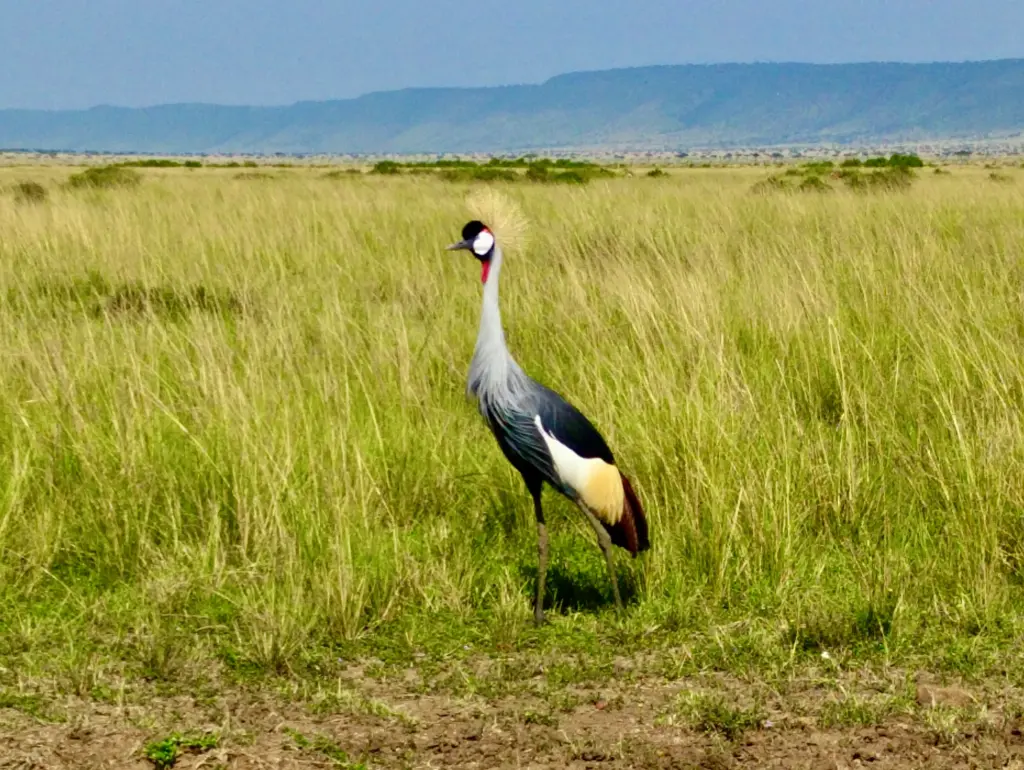
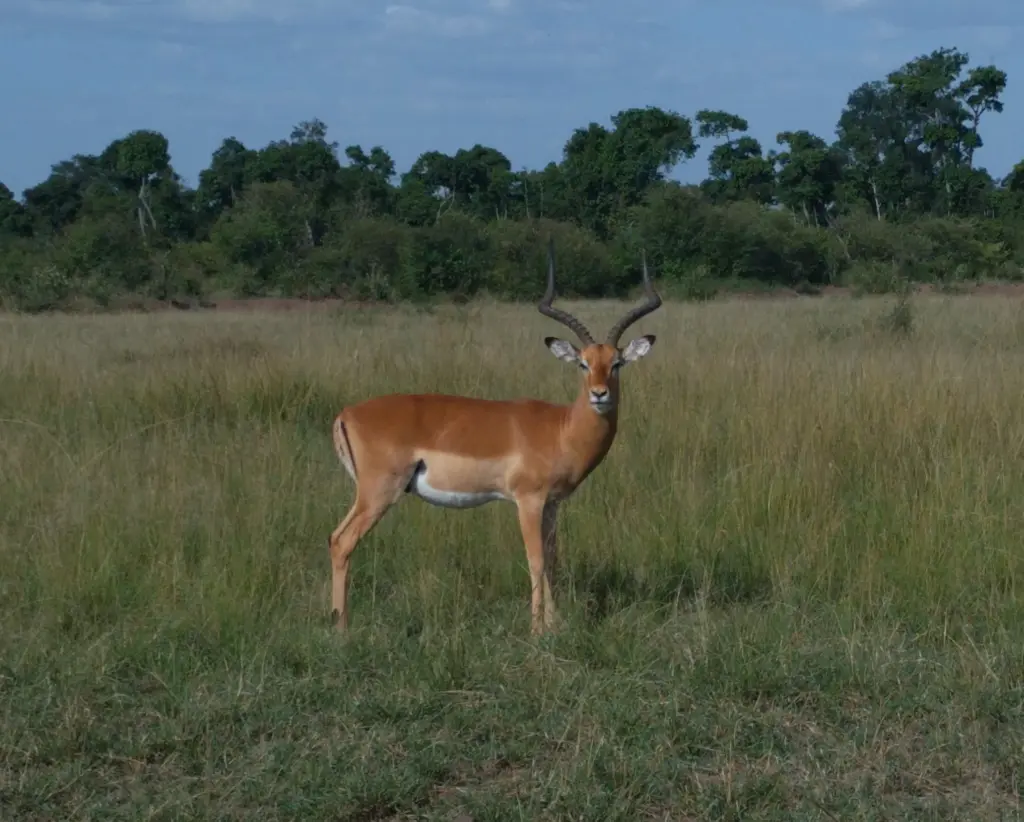
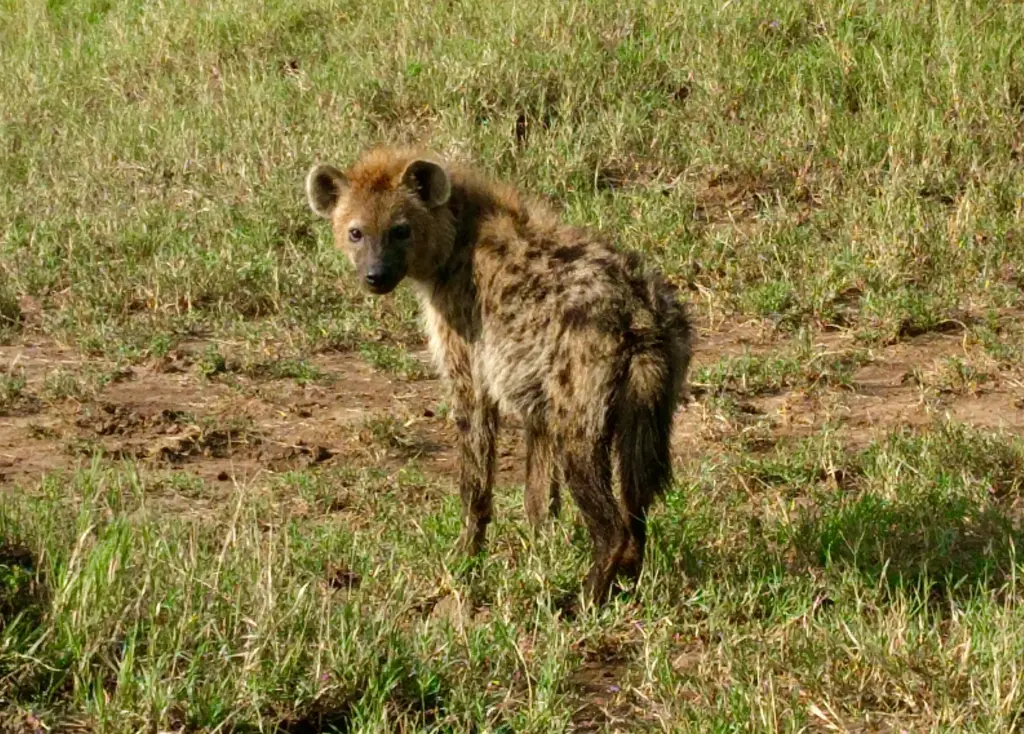
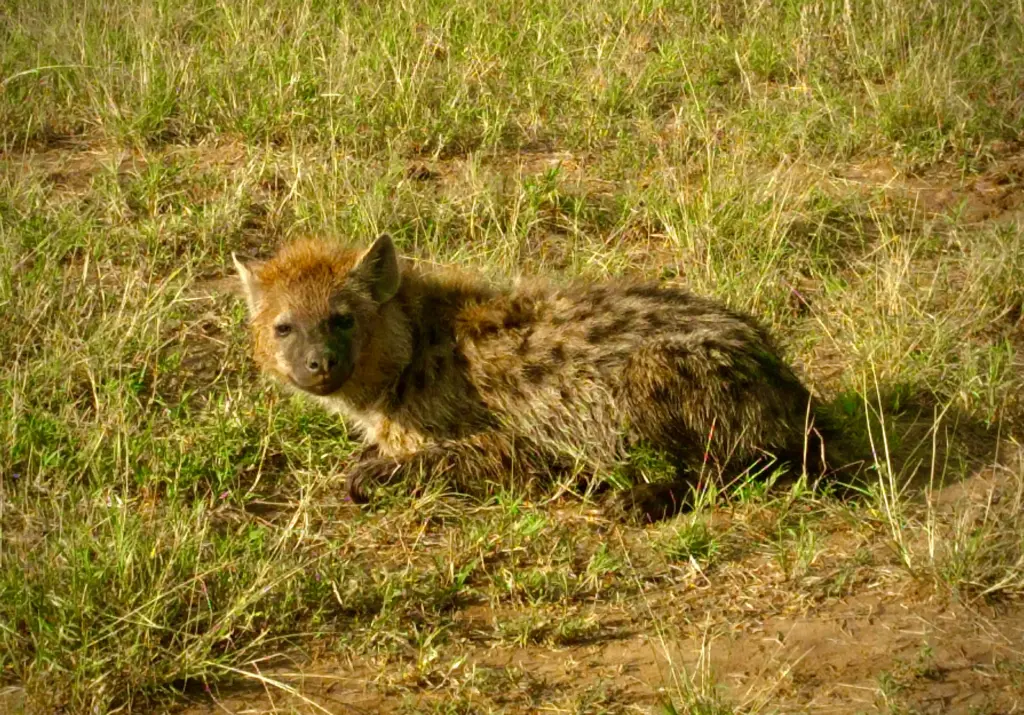
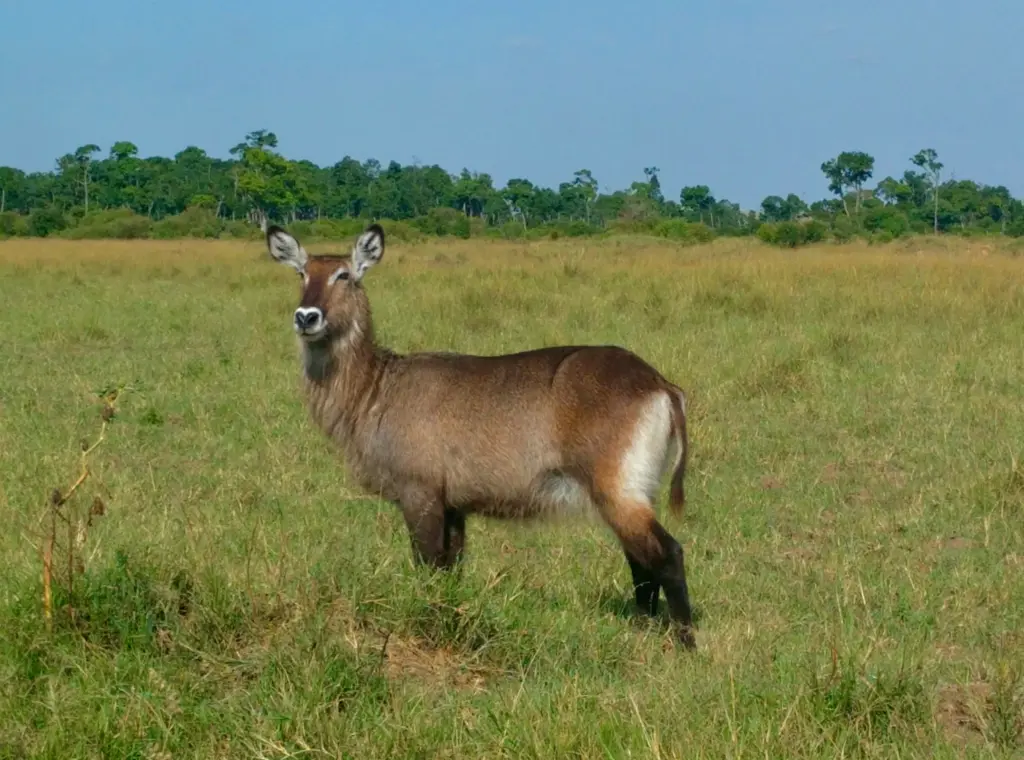
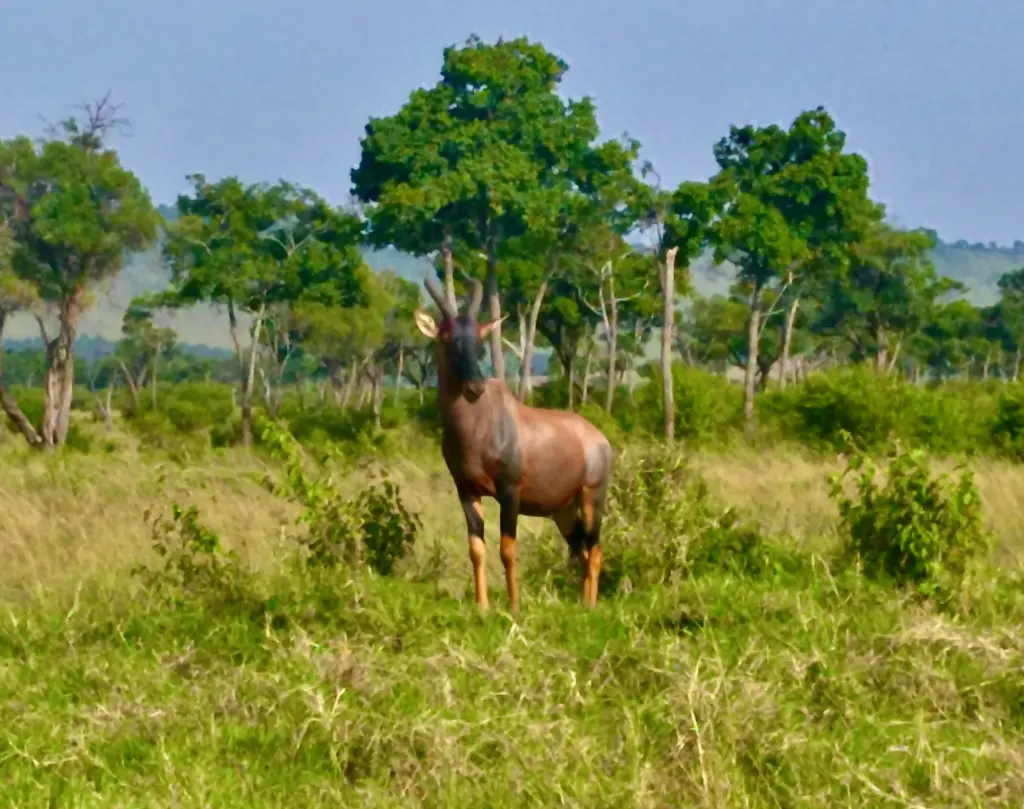
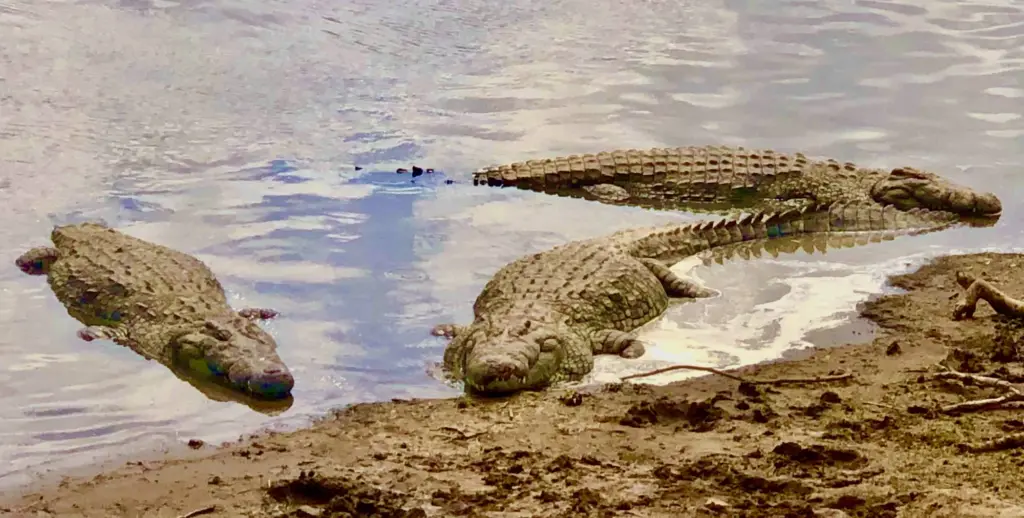
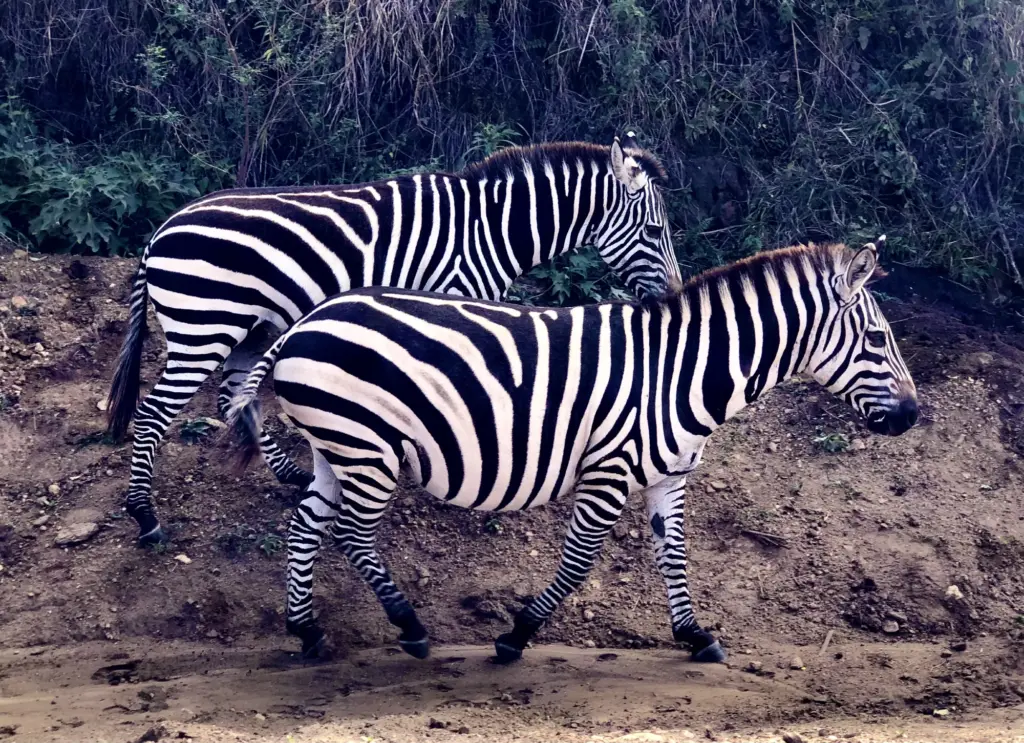
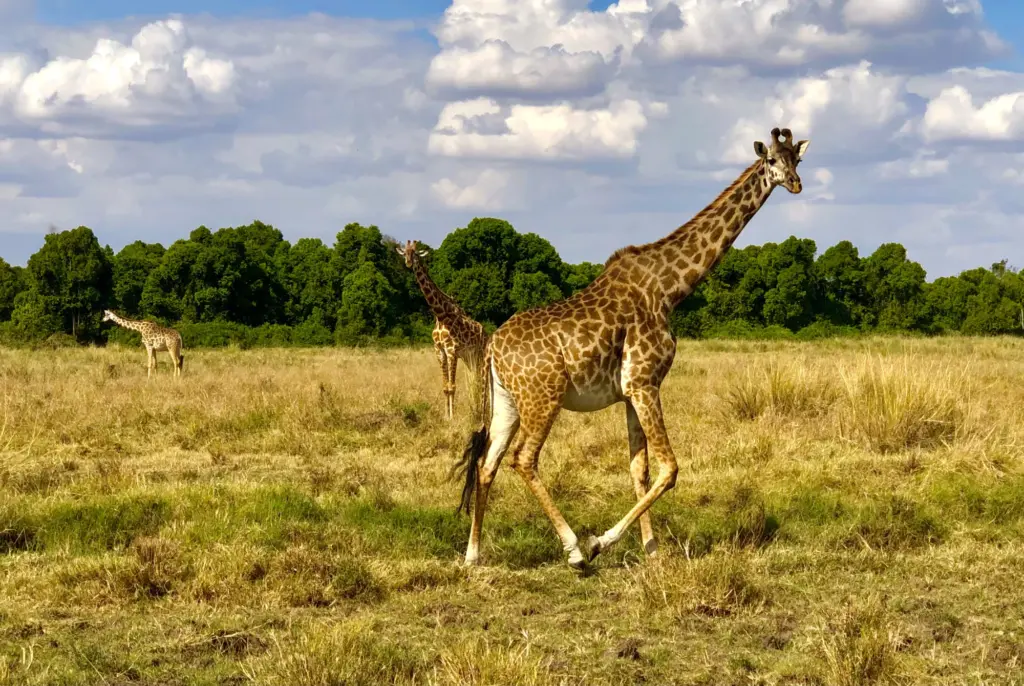
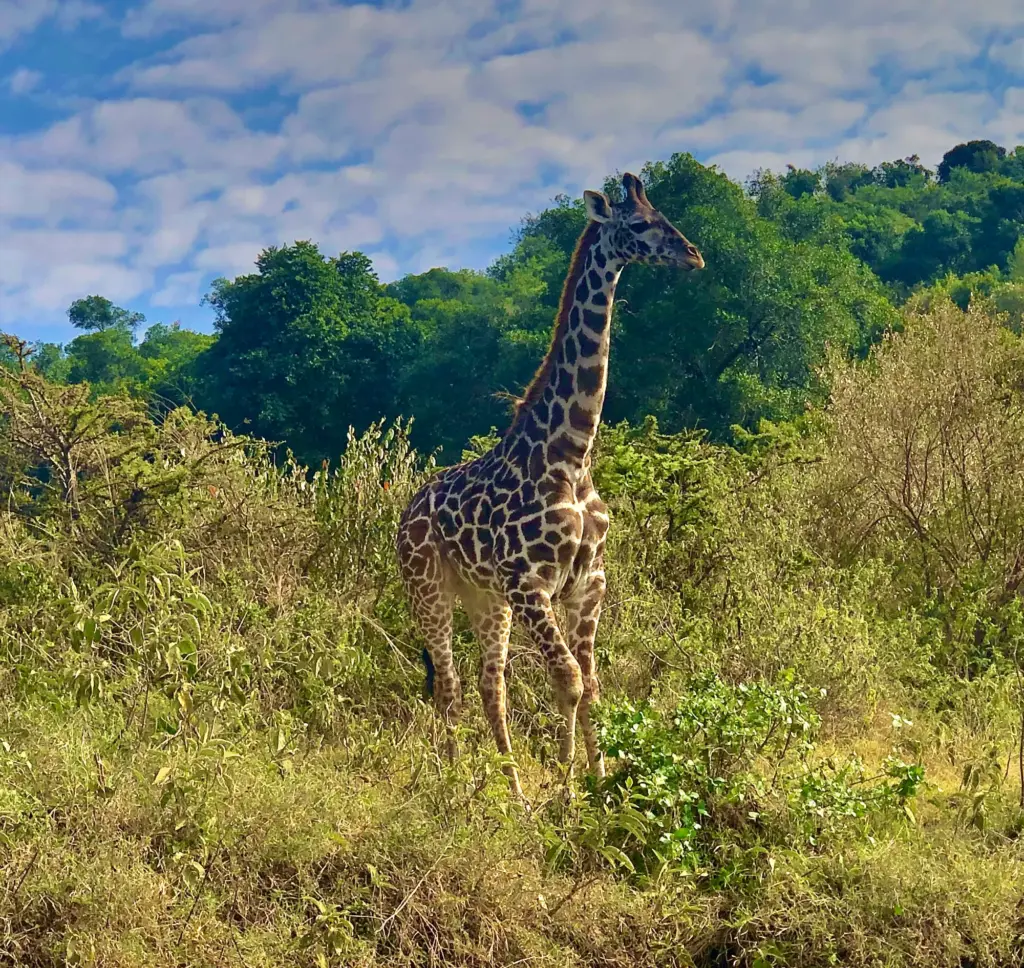
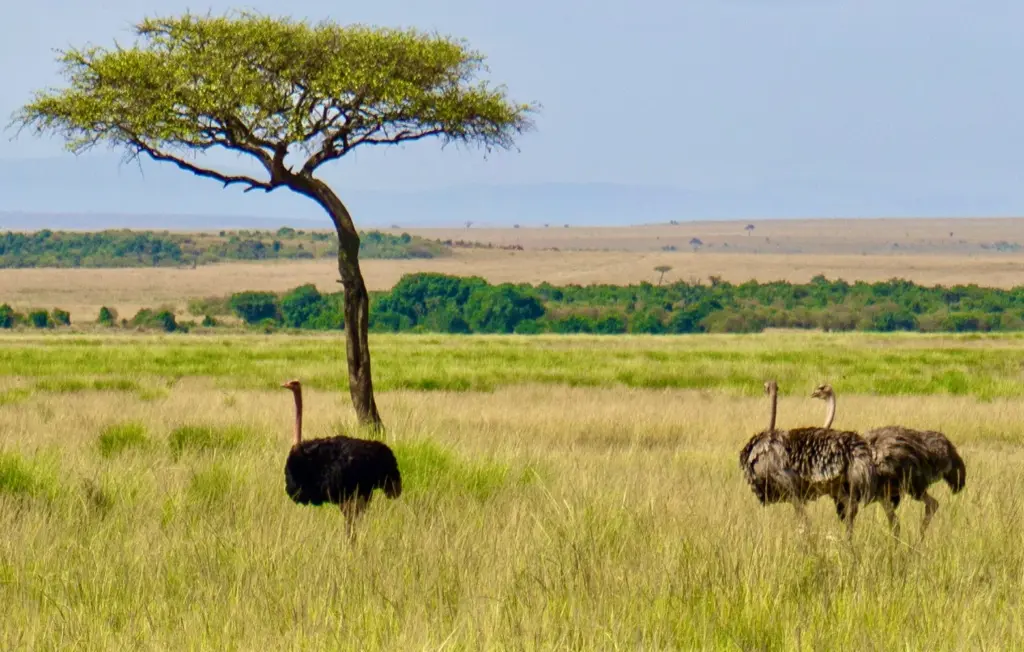
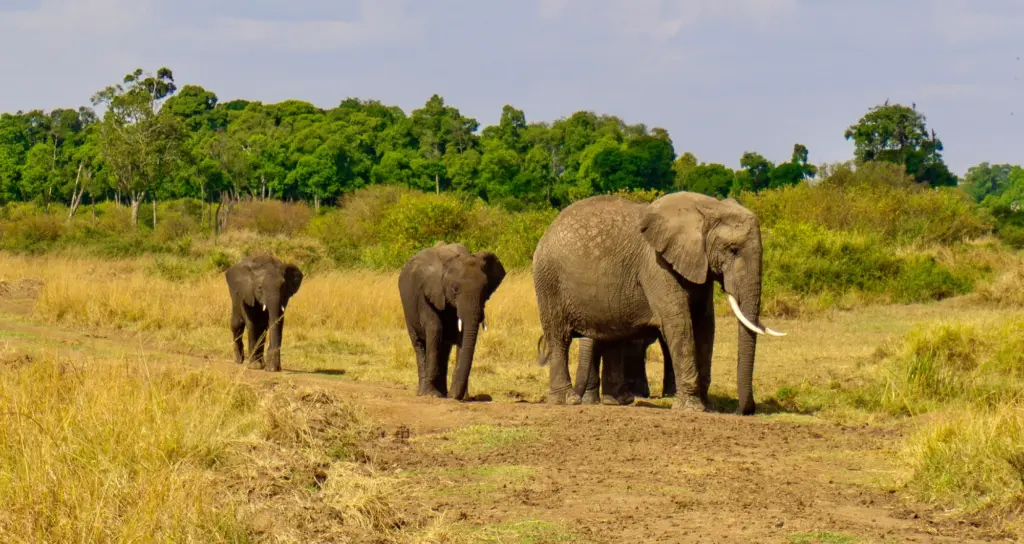
In some parks, you work hard for sightings. Amboseli is strong on elephants and Kilimanjaro views. Samburu has dry-country wildlife. Tsavo is huge, rough, and spread out. Lake Nakuru is compact and good for rhinos. In the Mara, wildlife can feel served on a platter.
That does not mean every game drive is a documentary scene. This is still nature, not room service. But the density of animals is extraordinary. Few places in Africa give you this much wildlife, this much open visibility, and this kind of classic savannah setting in one package.
The scenery matters too. Not as background filler. The Mara landscape is part of the reason people remember the place. The open grasslands, soft ridges, river lines, scattered trees, and wide distances create the kind of safari setting most people imagine before they ever visit Africa.
And that is also part of the problem.
Maasai Mara – The Overtourism Exception
The Mara is very popular. Sometimes too popular.
I keep saying Africa doesn’t have an overtourism problem. Not yet. Not generally. But there are a few exceptions, and the Maasai Mara during the wildebeest migration is one of them.
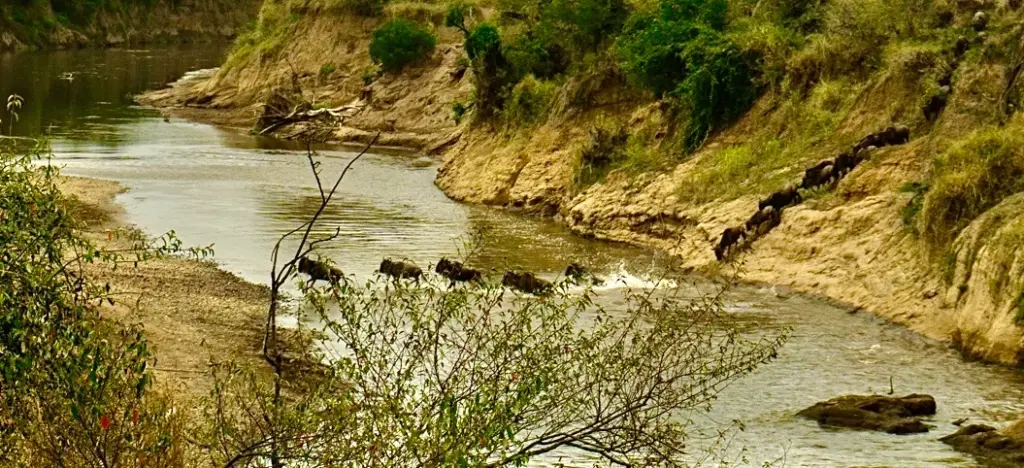
The river crossings are world famous. Thousands of wildebeest gather near the Mara River, hesitate, turn back, surge forward, and then cross in panic while crocodiles wait in the water. The images are spectacular. Everyone has seen them.
The reality around the crossings can be ugly.
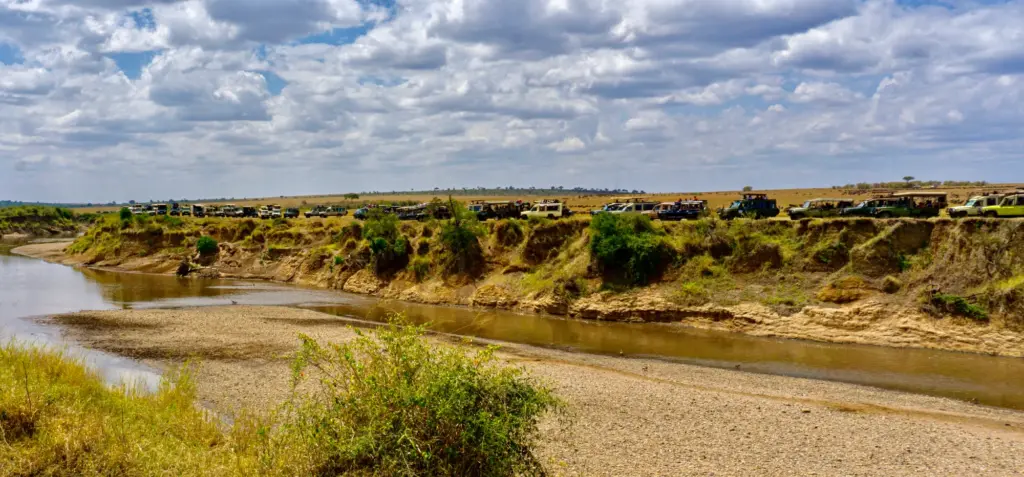
Safari vehicles crowd the riverbanks. Drivers jostle for position. Everyone wants the same photo. The same video. The same dramatic crossing shot. In the worst cases, vehicles block the path of the animals trying to cross.
That part is disgusting. No softer version needed.
The animals already have enough to deal with. Crocodiles, steep banks, panic, confusion, and the general madness of migration. They do not need rows of safari vans turning the riverbank into a parking problem with zoom lenses.
And the rangers? Present, apparently. Often not doing enough about it. Let me leave it there before this becomes a full-page rant, because it easily could.
One of my photos shows the madness from the opposite side of the river. A long row of vehicles lined up near the bank, with wildebeest behind them trying to cross. I did not have expensive optics, so the photo was taken from quite a distance. Fine by me. At least I was not parked in the middle of the migration path making life harder for animals that had rather more urgent business than my camera angle.
That is the uncomfortable part of the Mara. Spectacular wildlife, heavy pressure, and tourism that sometimes crosses the line.
Conservancies, Communities, and Pressure
The wider Mara landscape is community land, with the reserve, private conservancies, Maasai-owned land, grazing areas, lodges, camps, villages, roads, and settlements all forming part of the bigger picture. The conservancy model can work well when it protects habitat, keeps wildlife corridors open, and brings income to Maasai landowners and communities.
But pressure is growing. Encroachment is real. Conservation space is gradually being squeezed in some areas. That matters because the Mara depends on open land. Wildlife needs room to move. The migration is not a theme-park loop.

Maasai culture is also part of the visitor experience. Many trips include a visit to a Maasai village, usually built in traditional style, with dancing, singing, explanations of daily life, beadwork, handicrafts, and souvenirs for sale.
It is interesting, but it is also commercialized. No need to pretend otherwise.
Some visits feel like a visitor show because that is partly what they are. But Maasai life is deeply tied to this landscape, and tourism has become one of the income streams around it. The better way to see it is honestly: real culture, real people, real economics, and a tourism setup built around what visitors expect to see.
Camps With a View
On places to stay, I have a soft spot for the ridge above the Mara Triangle.


Kilima Camp is a luxury camp on the Mara West ridge, with huge views over the Mara Triangle. It was around USD 1,000 a night when we visited, so big thanks to Axel, the owner, for inviting us. The views were ridiculous. The food was excellent. The spa did not exactly damage the experience either.
Mara West Camp is my personal favourite. Also on the ridge, with upscale cabins, campsite options, and wide views over the Mara Triangle. It feels private and far removed from the busier sections. Showering with that view is not a terrible way to start the day.
The downside is distance. Mara West is far. Your car will take punishment if you drive yourself, which I usually do. If you go with a tour operator, you can relax while someone else’s vehicle absorbs the beating.
Sarova Mara is more of a grand classic, on the eastern side. Spacious tented accommodation, fresh air, good service, and that old-school safari camp atmosphere without going too rugged. It is polished, established, and comfortable.
That range is part of the Mara today. Classic camps, ridge camps, luxury lodges, private conservancies, campsites, honeymoon setups, fly-in safaris, self-drive adventures, and trips where the budget gets ugly fast.
The Mara, Without the Gloss
The Maasai Mara is not hidden. It is not quiet wilderness in the romantic sense. It is famous, expensive, heavily marketed, and sometimes crowded. During migration season, the busy areas can be too much, especially around river crossings and big sightings. One of the very few places in Africa experiencing moments of over-tourism.
But the core appeal is still powerful.
The wildlife density is exceptional. The scenery is classic East African savannah at full strength. The lodges and camps cover almost every comfort level, provided your wallet survives the conversation. The Maasai cultural context adds depth, even with the commercial layer. And the wider ecosystem remains one of the most important wildlife areas in East Africa.
So yes, the Mara is magnificent.
It is also busy, pricey, commercial, and sometimes badly managed around its most famous spectacle.
That is the honest version. And honestly, it is still worth going.


