
Uganda is not a one-note country. It shifts from river to highlands, from safari country to city noise, from Lake Victoria calm to the Nile in one of its less diplomatic moods. I have been in and out since 2007, mostly for work, some for pleasure, and enough times to know the place is much harder to flatten than people think. Just when you start to think you have Uganda figured out, it changes the tone.


Uganda: still flying under the radar, somehow
I have been in and out of Uganda since 2007. Mostly for work, some for pleasure, though the two have mixed quite easily there. Uganda has a habit of turning a practical trip into a slightly less practical detour. You finish what you came for, look at the map, notice that the Nile is nearby, or that there is a waterfall, a national park, or a city with questionable traffic choices and very decent nightlife, and suddenly the schedule has developed holes.
That is part of what makes Uganda so good. It has range. Big rivers. Big wildlife. Big history. A capital with real energy and no obvious interest in pretending otherwise. Highland country around Sipi. The long pull of Lake Victoria. Jinja doing its usual Nile-side thing. Murchison making a spectacular point about what happens when a major river loses patience.
Churchill called it the Pearl of Africa back in 1908. Touristy phrase now, obviously, but for once not complete nonsense. The useful part is that Uganda still feels less overhandled than some of the region’s better-known destinations. It has not been sanded down too much. It still has edges. I generally take that as a good sign.
From the Nile to the highlands
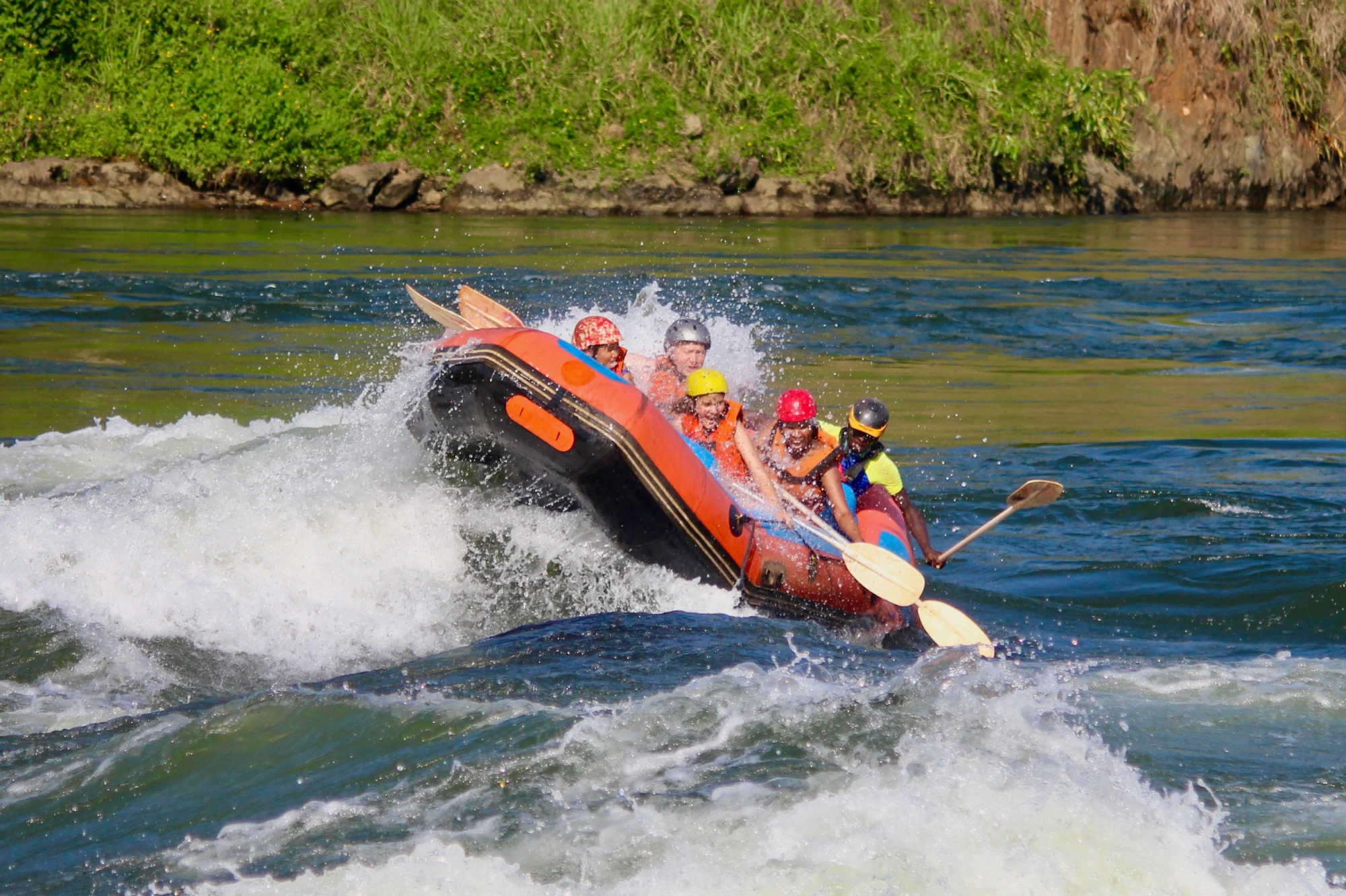
Jinja is one of the obvious places to begin. It sits at source of the White Nile and has built a whole personality around water, movement, and people doing things in helmets that their mothers would probably have preferred not to watch. Rafting put it on plenty of itineraries, fair enough, but Jinja works even without the adrenaline sales pitch. The river gives the place its pulse. Boats, bridges, riverside stays, bars, weekend traffic, and the wider sense that this is not some made-up activity zone. It is an actual town with a famous river running right through its identity.
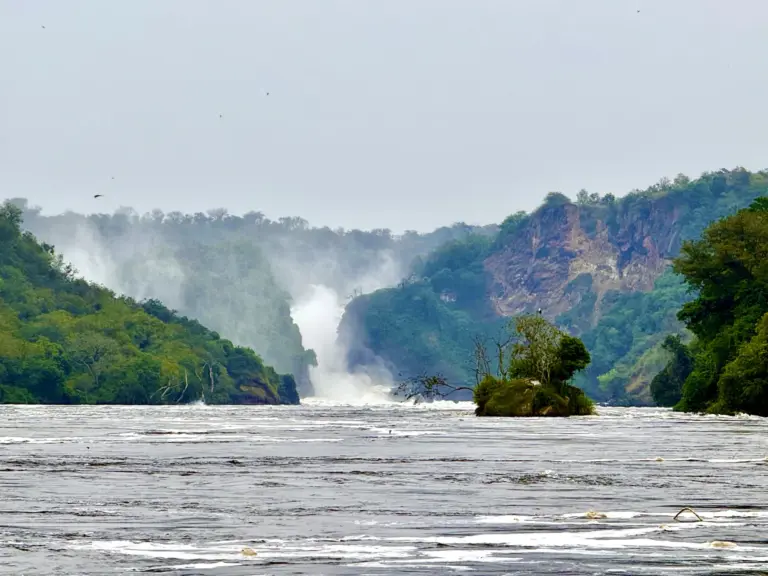
Then there is Murchison Falls, which is Uganda in a much less diplomatic mood. The White Nile gets forced through a narrow gap and comes out the other side looking deeply unimpressed by the whole arrangement. It is loud, excessive, and one of East Africa’s great natural flexes. Around it sits one of the region’s best safari landscapes, with hippos, crocodiles, elephants, buffaloes, giraffes, lions, and enough open country to make the whole place feel properly big. The fact that it still gets less noise than it deserves only helps.
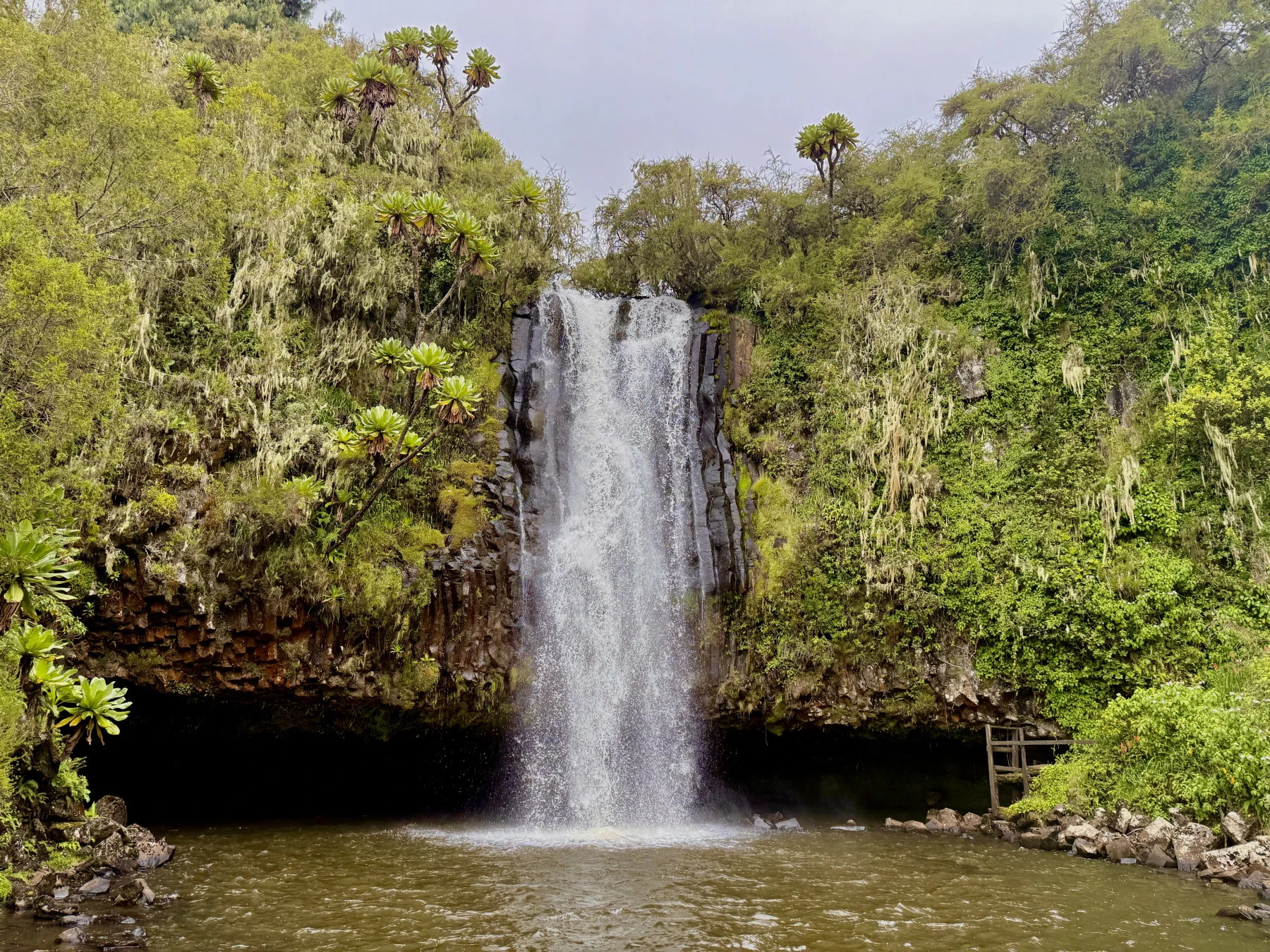
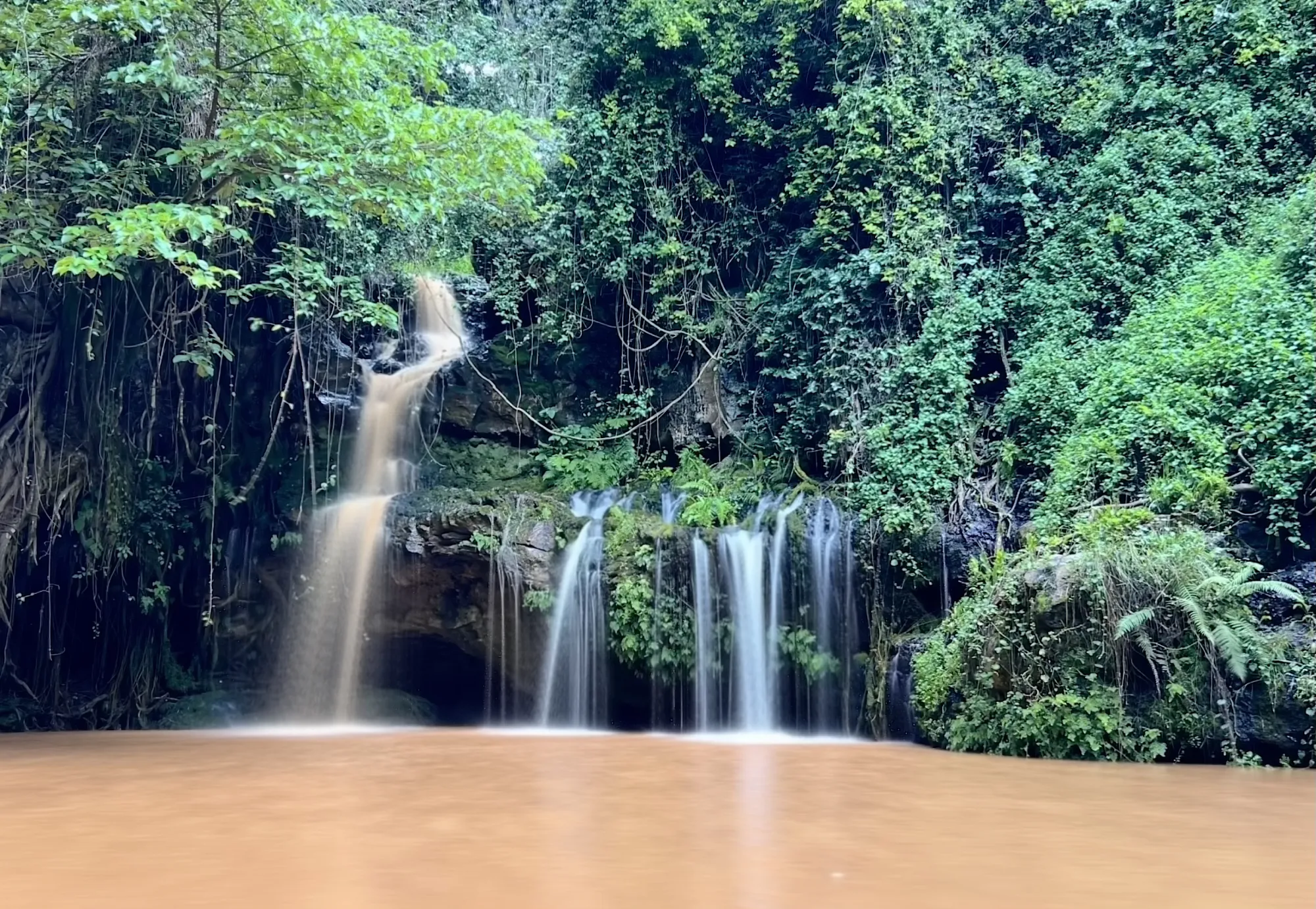
Sipi shifts the mood again. Cooler air. Steeper slopes. Waterfalls dropping off the flank of Mount Elgon. Coffee country. Proper views. It is one of those places that makes people start speaking slightly more softly, as if the scenery might take offence if they get too loud. Uganda is good at that sort of change of tone. One day river drama, the next day green highland calm, and both of them feel entirely normal within the same country.
More than one Uganda
Kampala matters because it reminds you Uganda is not all waterfalls and wildlife doing favours for your camera. It is a fast-growing capital with old roots, real history, serious nightlife, and traffic that can turn a short distance into a philosophical exercise. It is noisy, crowded, uneven, energetic, and very much alive. Some cities try hard to make a polished first impression. Kampala seems comfortable leaving that burden to somebody else.
Lake Victoria belongs in the picture too, even when it is not shouting for attention. The lake adds ferries, fishing communities, shoreline towns, islands, and that wider sense of Uganda as a country shaped by water as much as by roads or park boundaries. It gives the map another layer. A quieter one in places, but an important one.
That is what keeps Uganda interesting. Not one blockbuster attraction trying to carry the whole national image on its back, but several different Ugandas sitting next to each other without too much fuss about it. River energy in Jinja. Safari scale at Murchison. Cooler green country around Sipi. Kampala bringing the noise back. Lake Victoria stretching everything outward again. It keeps changing shape, which is useful when the neighbourhood is not exactly short on competition.
Uganda has more range than it usually gets credit for. Thankfully, it also does not feel the need to announce that every five minutes.
And then there is the rest of it
Not everything worth remembering in Uganda comes with a headline attraction attached. Some of it is a hot spring, a market stop, an overloaded boda, or a stretch of road that turns out to have more personality than expected.


