Mozambique, for me, has so far meant Maputo.
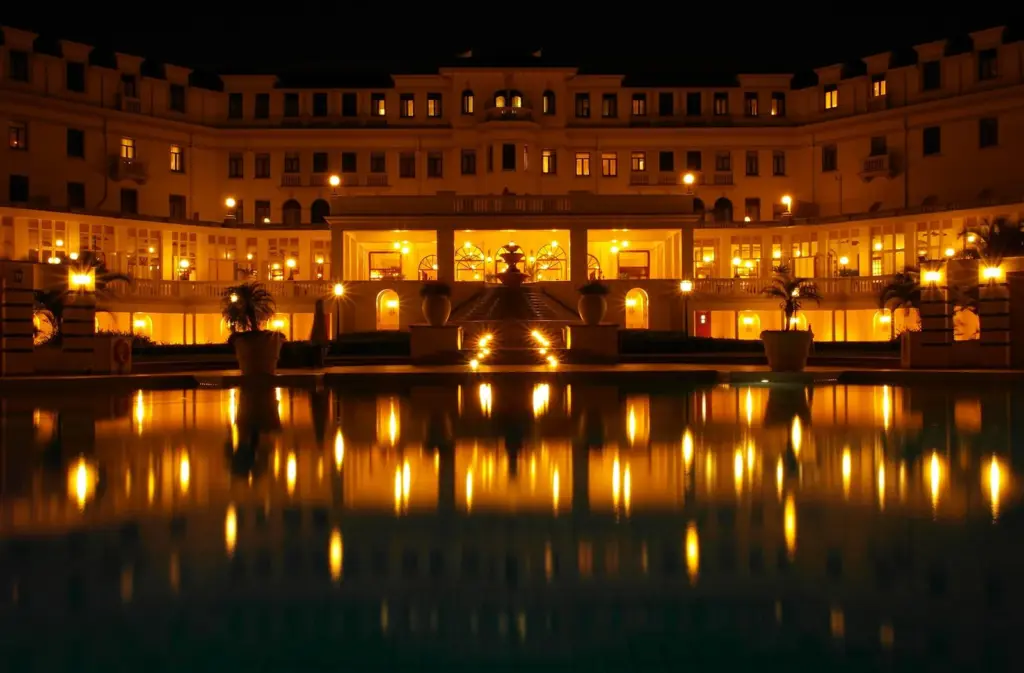
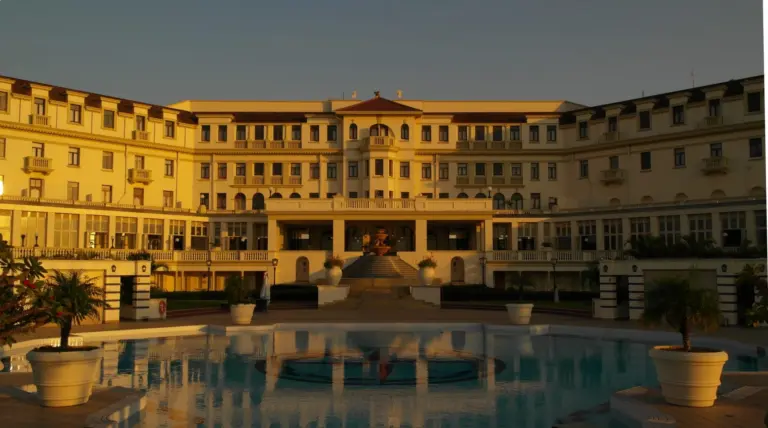
These photos are from business trips in 2014 and 2015, which means my experience of the country was a little unfairly biased toward meetings, city streets, good restaurants, and the kind of hotel stay that makes you forget you are technically there to work. I always stayed at the Polana Serena, that grand old classic from 1922, which at the time was still ranked among the best hotels in Africa. Hard to argue with that.
Great gym, cool bar, amazing views, and just enough old-school elegance to make even a work trip feel better than it had any right to.


Maputo was easy to like. It had that mix of faded grandeur, tropical light, broad avenues, and just enough rough edges to keep it interesting. The seafood did not exactly hurt either. I ate very well there, which is probably the least surprising sentence ever written about coastal Mozambique. Prawns, fish, shellfish, and those long dinners that started as meals and quietly took over the evening.
One break from work
I did manage one proper escape from the work schedule: a boat trip to Xefina Island on one of the world’s largest dhows. Not a bad way to take a break from emails and meetings. Out there, with the sea, the old fort ruins, and Maputo sitting in the distance, you got a little reminder that this coast carries a lot more history than the average business traveller ever sees.
And that is really the story here. I enjoyed Maputo. I liked the city a lot. But I never properly got beyond it. It is called work. So Mozambique still feels unfinished to me, in the best possible way.


The coast runs deeper
I still need to see Ilha de Moçambique. I still need to spend time further north. And I still need to explore that long stretch of coast down toward Beira and Sofala, which was very much part of the wider Swahili and Indian Ocean world. This was not some isolated corner of the map.
For centuries, these shores were tied into trade routes that connected East Africa with Arabia, Persia, India, and beyond, moving goods, people, ideas, religion, and architecture up and down the coast with the monsoon winds doing their usual heavy lifting.
Places like Lamu, Malindi, Mombasa, Zanzibar, and the ports of northern Mozambique were all part of that broader coastal network, linked by commerce, culture, and a shared maritime rhythm. Later, Oman and then the Zanzibari Sultanate became major powers in this world, helping shape trade and political influence along much of the coast. That is part of what makes Mozambique so fascinating to me. It is not just a beautiful country with great seafood and beaches.
It is also part of one of Africa’s richest and most connected historical landscapes, and I have barely started scratching the surface.
So this gallery is not the final word on Mozambique. Not even close. It is more like a first chapter: Maputo, a beautiful old hotel, excellent seafood, one giant dhow, and a strong sense that I have only just started.