
Watamu barely feels like a proper town. More like a village spreading out and never quite seeing the point of pulling itself together. Villas. Beach hotels. A few restaurants worth planning around. Shops, dive outfits, kitesurf spots, bits of village life, and the sea never very far away.
I always found Watamu easy to like.


What you’ll find here
Beach, creek, ruins, and more range than people expect
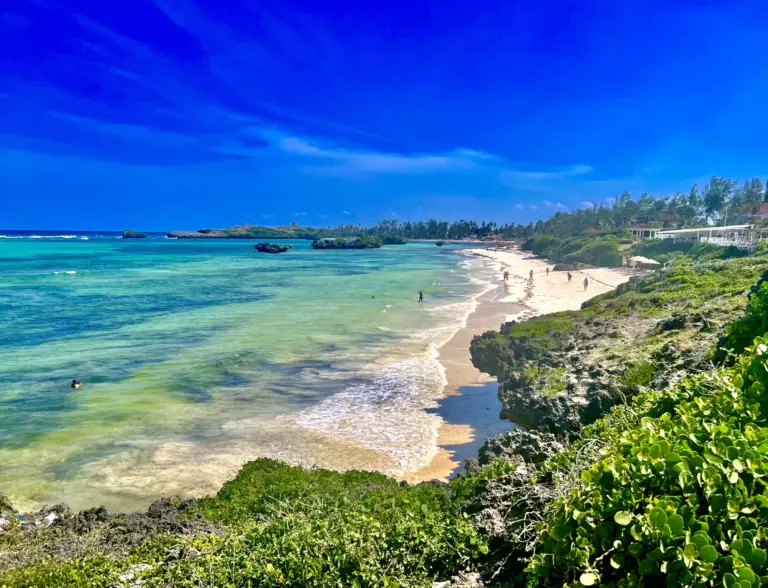
To a lot of people, Watamu equals beach. And it’s true the beach is strong in this one. White sand. Warm water. Long shallow stretches. Sea colours that can look slightly overcommitted around midday.
But that is only part of it.
There is Mida Creek. There is the reef, the marine park, the mangroves, and Gede Ruins. You can be in bright open water in the morning, move through mangroves later on, and still end up among old Swahili ruins before the day is done. Not bad for one small bit of coast.
The beaches are the obvious draw
The beaches are the obvious draw, and rightly so.
The sand is pale and fine. The kind travel brochures make you dream of. Around the islands, the water remains shallow a long way out to the point that at low tide, parts of the coast flatten into sandbars and exposed patches that change the whole look of it. A few hours later, the sea comes back in and rearranges everything.
South of the village, the main bay is the main feature. Bright sand. Calm water. A world-class beach in dire need of someone to remove that dead seaweed washed up by the tide. On a good day, it looks like a place that deserved better than some of the hotels and beach bars that ended up around it.
There are still decent stops there. Cocomo remains reliable for Mediterranean and Middle Eastern food. Sunset Lab next door does solid pizza. But the bay area as a whole still feels slightly underwhelming. The setting is better than parts of the product.
Further south, the coast becomes more hotel-driven. Fine if you are staying there. Less interesting if you are moving around and want a bit more life outside the gate.
The islands north of the village


North of the village is my favorite side of Watamu.
The beaches there have more shape. More space. More of that loose feel that tends to improve coastal places rather than damage them. At low tide, little offshore islands break up the shoreline and give it more character. The water stays warm and shallow, and in some stretches you can keep walking out for much longer than seems entirely necessary.
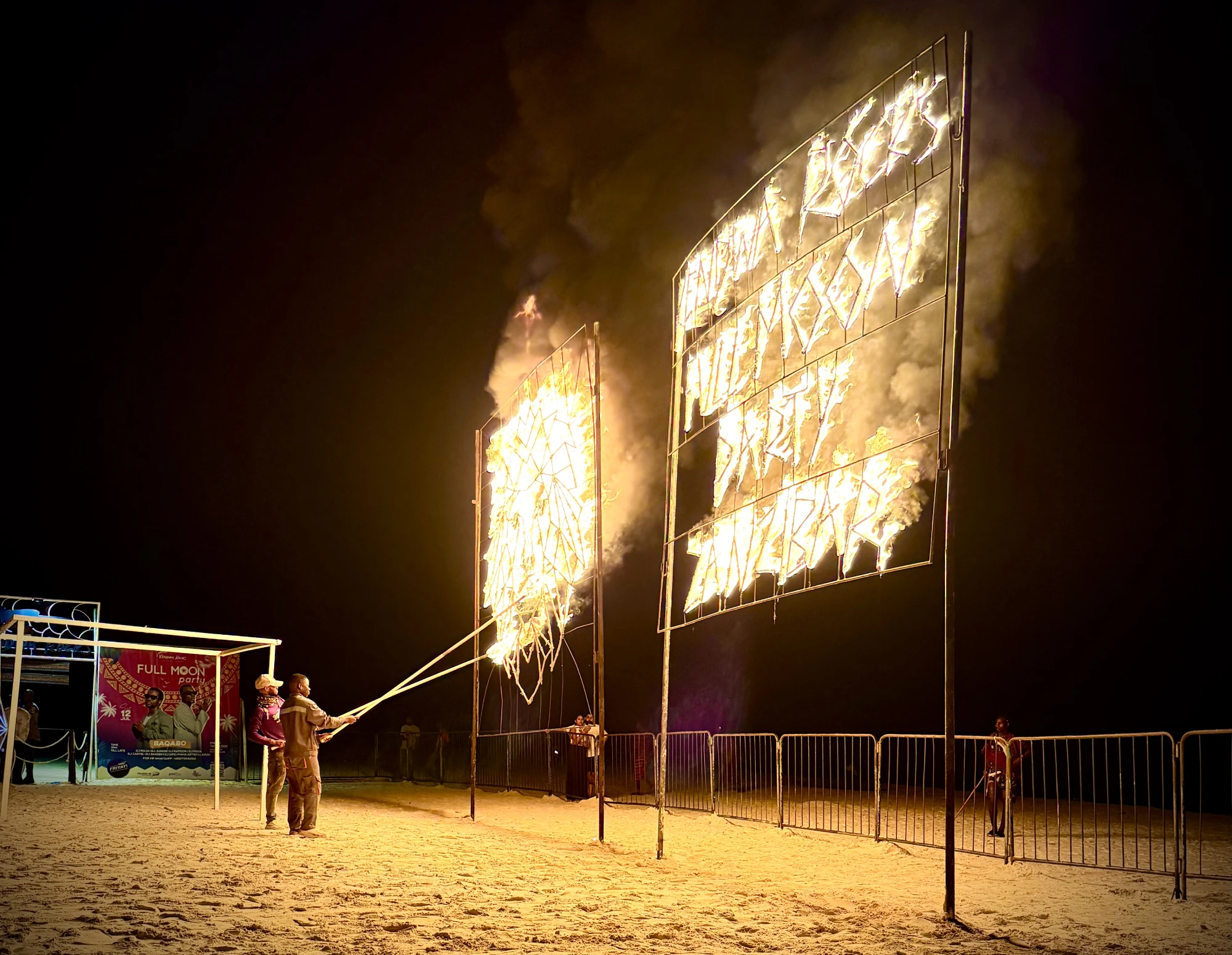
This is also where Papa Remo sits, still one of the better restaurants in Watamu. Beach, food, and occasional wild beach parties into the late night.
Casuarina keeps the place loose


Further north again, Casuarina keeps the whole thing loose.
More space between places. Dirt roads. Beach houses and hotels spread out instead of stacked together. Good restaurants mixed with some that seem to rely mainly on location and misplaced confidence. And then there is the long-running Italian presence that gives Watamu a lot of its character.
The coast does not repeat itself nearly as much as people think. Mombasa has scale, history, trade, and edge. Lamu has cultural weight and much older depth in the streets. Kilifi has creek scenery, more physical drama, and some unique, quaint restaurants. Malindi has more town, more wear, and more visible layers.
Watamu sits somewhere else in that line-up.
Less distinctive than the rest. Quieter too. But not bland.
Its geography helps. It sits off the main coastal road, and Mida Creek keeps through-traffic from cutting straight across the middle of the place. You feel that quickly. Less road noise. Less transit mess. Fewer people there by mistake.
Mida Creek changes the place


Mida Creek is one of the best things Watamu has.
The beach side gives you open water, white sand, and easy swimming. The creek side gives you channels, mangroves, birds, boats, boardwalks, and late-afternoon light worth the trip on their own.
The creek is one of Watamu’s defining features that gives the place another layer and a very different kind of scenery. One side is open blue and tidal shallows. The other is roots, reflections, quiet water, and evening light.
Crab Shack became well known largely because the setting carries it. Boardwalks through the mangroves, water all around, and a calm that fits that side of Watamu properly. I do not go there expecting kitchen genius. I go because the place sits in the creek exactly as it should.
Further out towards Temple Point, Lichthaus has become one of the established sunset spots around Watamu. The west-facing creek view is strong, and that side of the area handles evening very well.
Gede Ruins – a UNESCO World Heritage Site


Gede Ruins make a real difference to how Watamu reads.
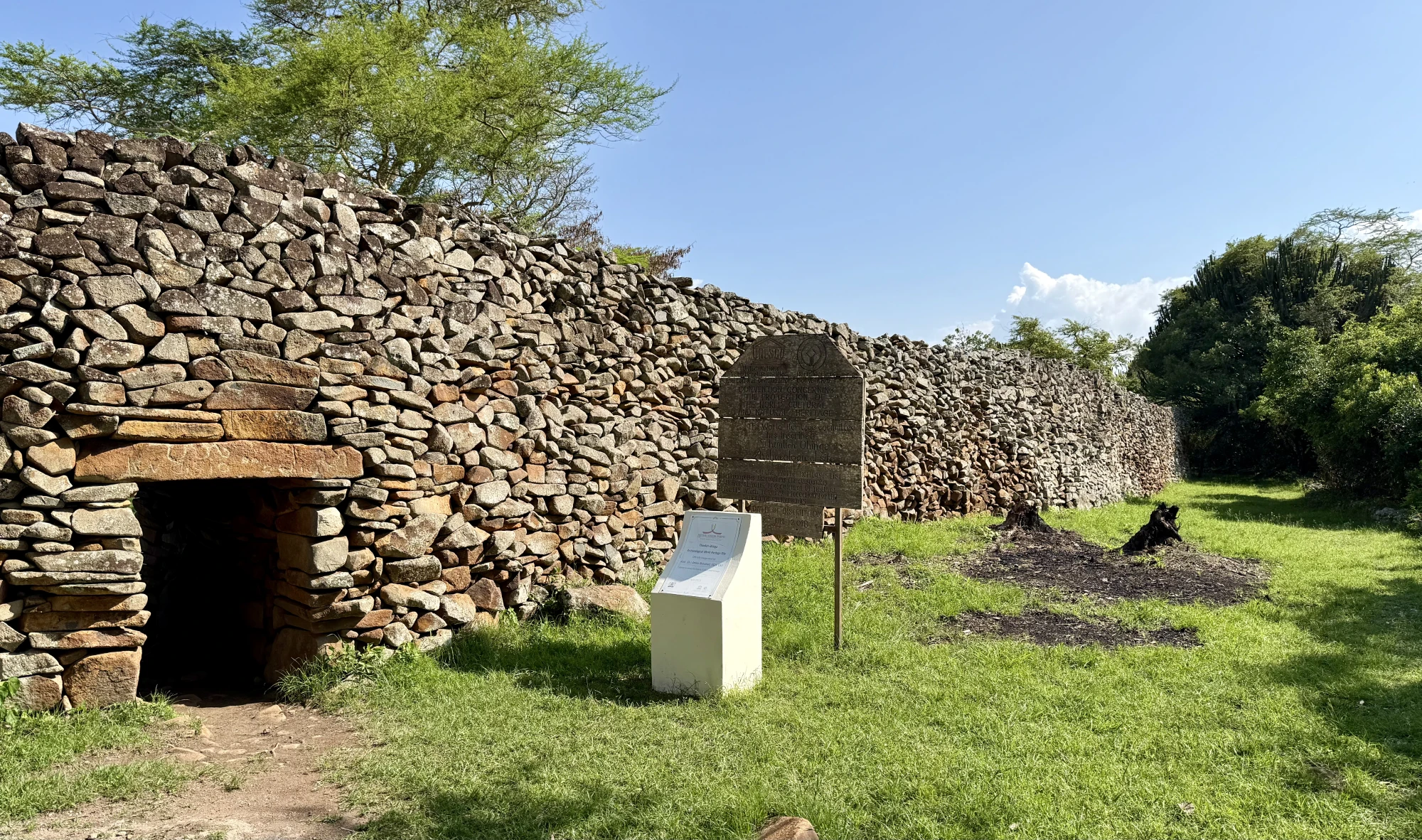
Gede is now a UNESCO World Heritage Site, and one of the most important Swahili relics on the Kenya coast. That changes the frame around Watamu quite a bit. These are not just old ruins near a beach resort area. They are the remains of a serious Swahili settlement, and one of the clearest physical links to the older coastal world of trade, religion, and urban life. Coral-stone walls, mosque remains, house plots, and the remains of a town that was once a key part of the Indian Ocean Trade.
That older Swahili layer gives Watamu more backbone, and it gives the whole place a depth that goes well beyond sand and sea.
You feel it more strongly in Lamu and at full urban scale in Mombasa. Malindi carries its own version too. In Watamu, you feel that depth in Gede.
Why I keep coming back
What I like most about Watamu is the variety.
You don’t just get one beach and one mood. You get shallow bright sea, low-tide flats, mangrove channels, marine-park water, old ruins, and a place that feels lightly held together without ever feeling empty. That is a strong combination.
Some parts of Watamu are better than what was built around them. That’s ok. The beach is still excellent, the creek still adds a whole different dimension, and Gede still gives it more depth than most coastal stops can claim. That’s already more than enough reason to keep coming back.