I first came to Lamu over Easter in 2003. I was a young intern living in Kenya, travelling with good friends, a backpack, and my girlfriend at the time, now my wife. That trip belongs to another chapter. Lamu does too, in a way, but more because the place still moves to a pace that most coastal towns left behind a long time ago.
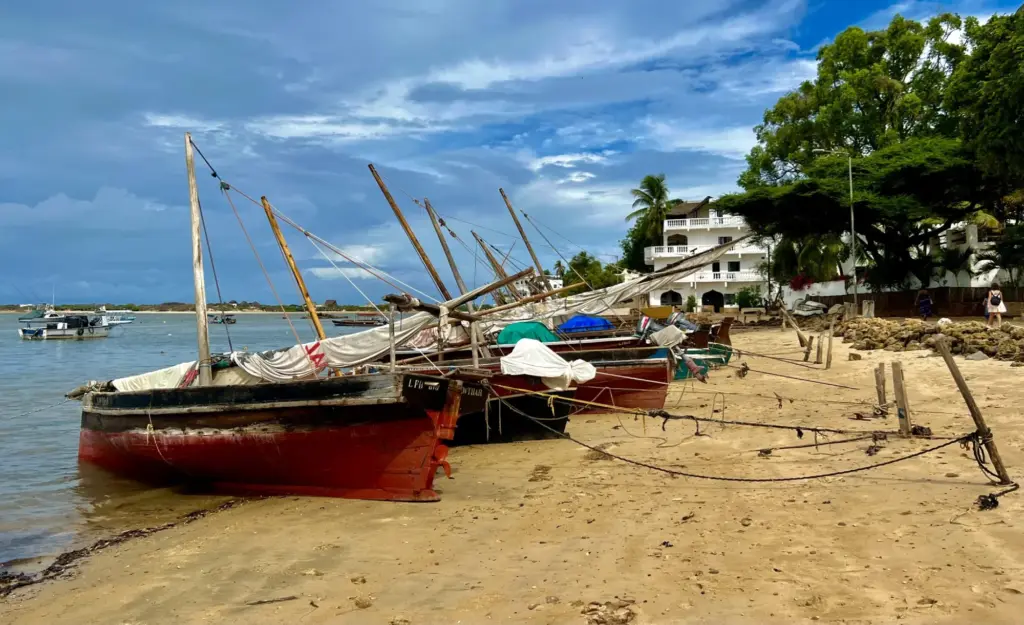
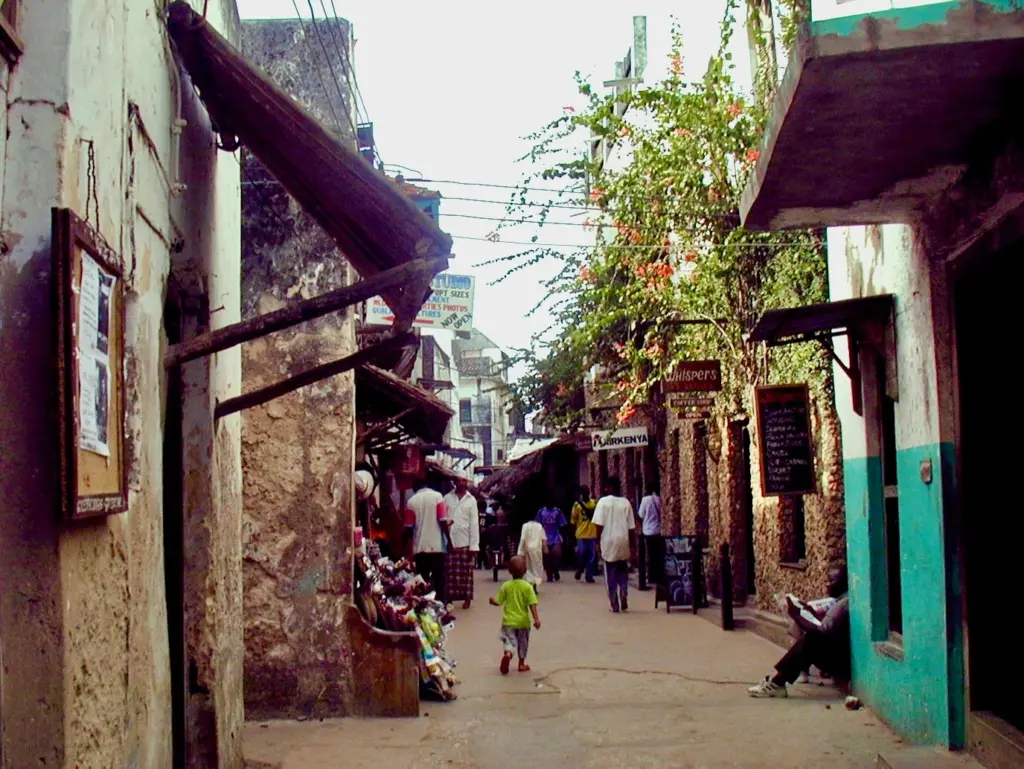
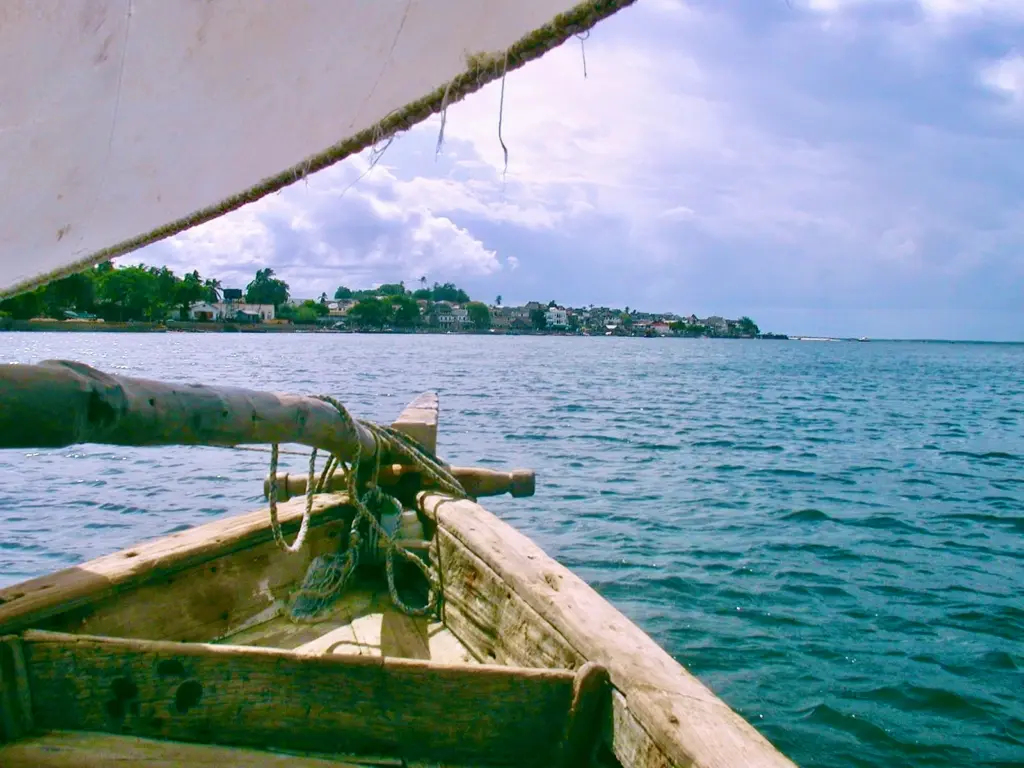
You notice the shift almost straight away. You arrive by boat, not by the usual road-and-roundabout routine, and the mood changes before you have even worked out where you are going. Then the tempo drops again. Donkeys take over from cars. Boats keep sliding along the waterfront. People move through narrow lanes without the slightest interest in pretending life should speed up for your convenience. Lamu settles that question early.
By Water
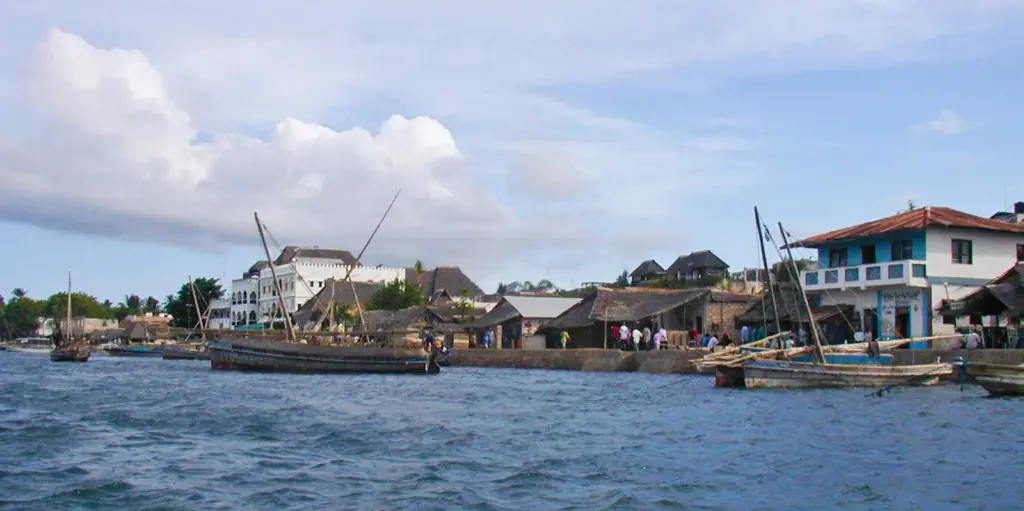
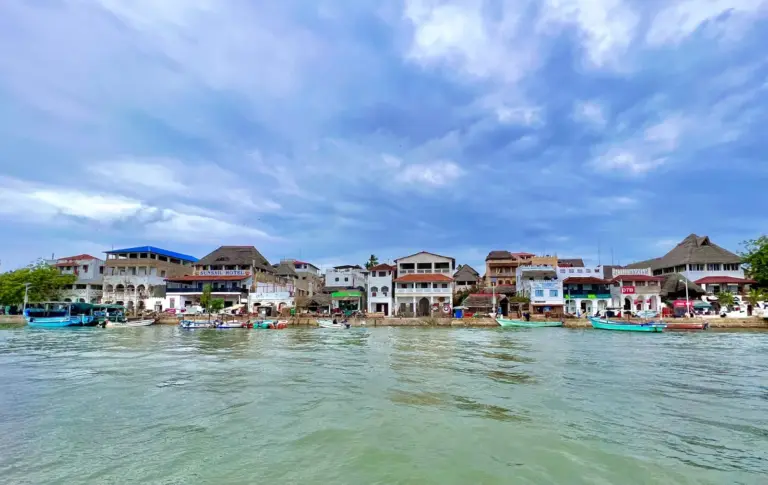
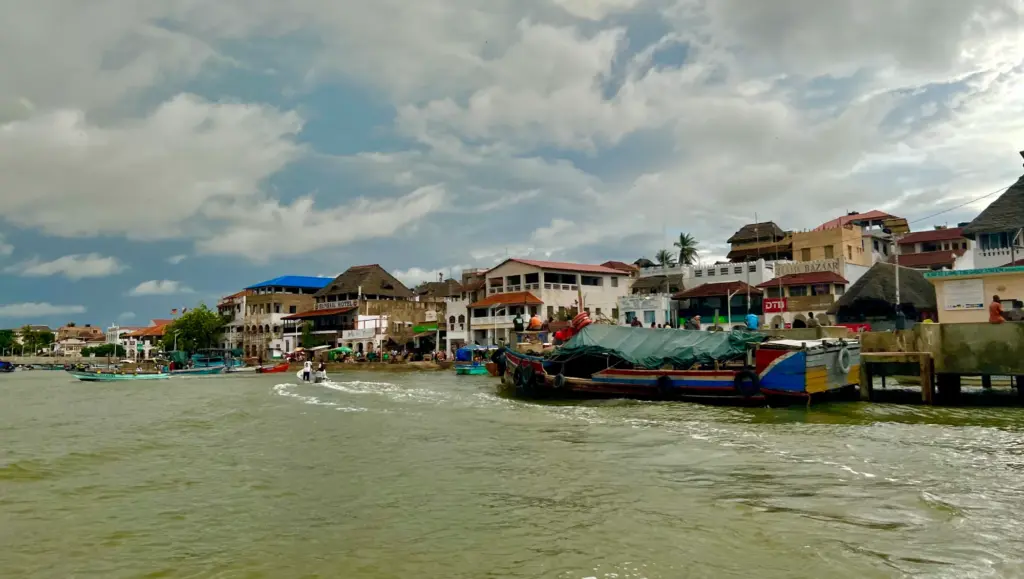
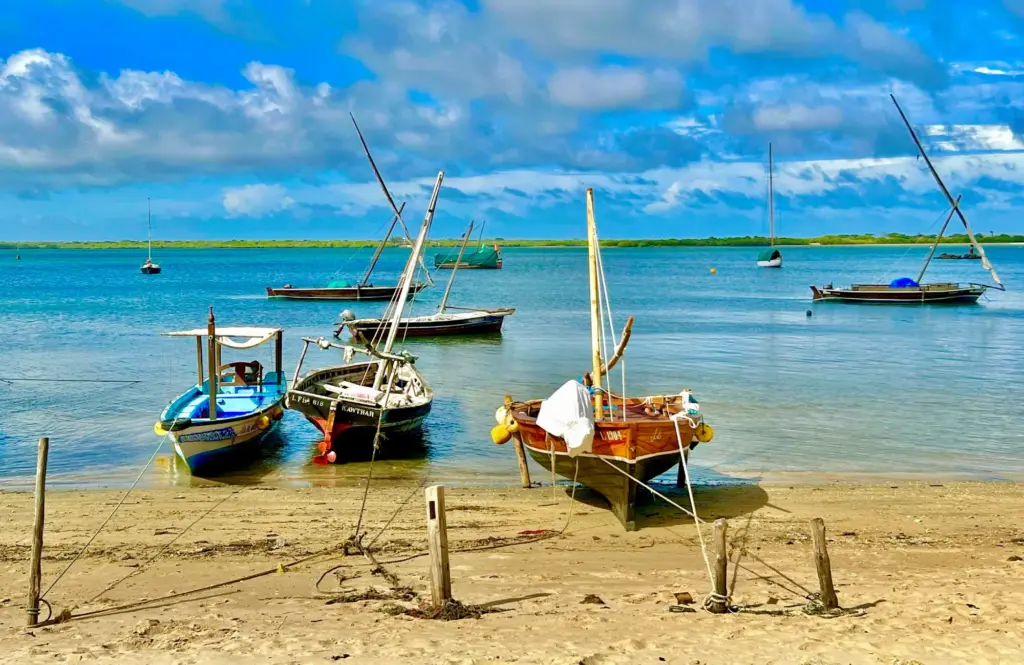
The sea is not off to one side here. It sits in the middle of things. The waterfront is not decorative. It is part of how the town works. Dhows come and go, goods change hands, people wait, talk, unload, watch, and carry on. You can stand there for a long time doing very little and still feel like you are picking up the rhythm of the place.
Lamu Town is a living example of Swahili culture and traditions. People live here, work here, carry things through the alleys, sit in doorways, head to prayers, trade, gossip, wait, cook, and get on with the day among coral stone walls, carved doors, mosques, rooftops, and shaded courtyards. That is what gives the town its depth.
It also comes with a human warmth that is hard to miss. There is an openness here, and a cheerful welcome towards visitors, that adds another layer to the place. I have seen people who do not speak English still go out of their way to smile, gesture, laugh, and make contact, simply because they are happy you are there.
Luckily, I speak at least some basic Swahili, and a bit beyond that. That has landed me in plenty of long and fascinating conversations where I have had to stay fully switched on just to keep up with the enthusiasm of the other person once he realises I speak his language. Those moments often go far beyond small talk and tell you more about Lamu than any “Top 10 things to do in 24 hours” travel guide ever could.

In the Lanes
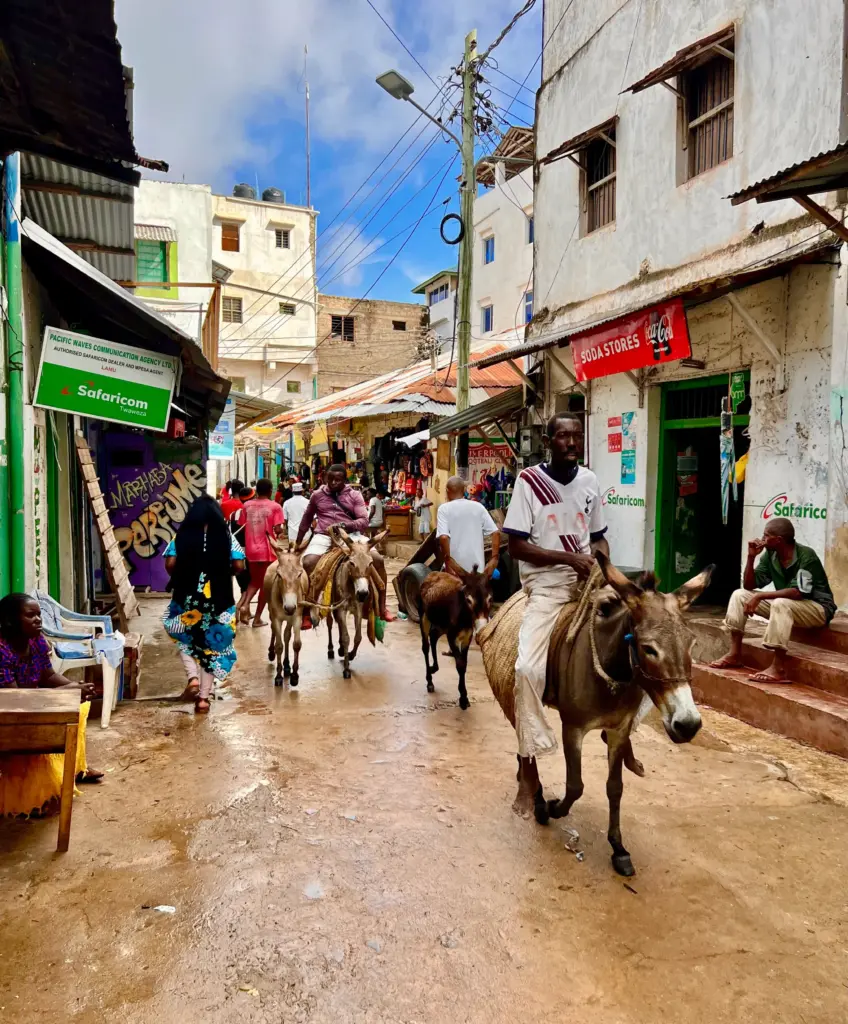
The best plan for the old town is to have no plan, or a very limited one with lots of flexibility. You walk in, turn left, turn right, step aside for a donkey, pass a carved doorway worth stopping for, and then lose your bearings just enough to improve the experience. In Lamu, being slightly unsure where you are is not a problem. It is part of the day.
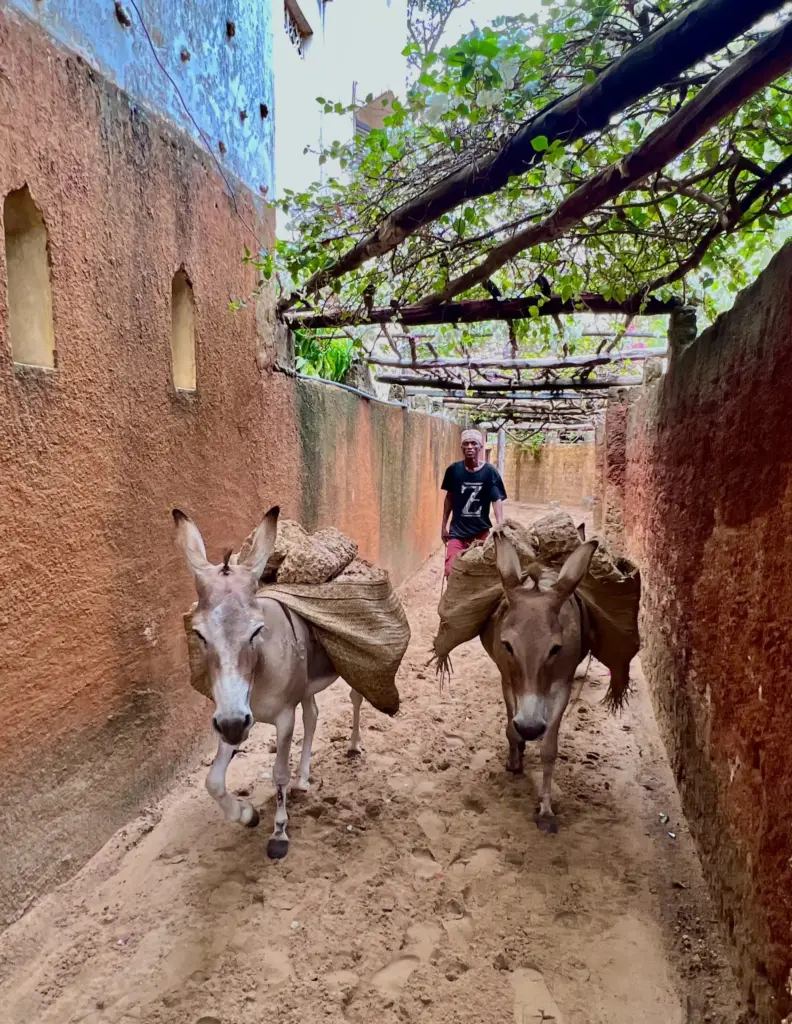
A lot of what stays with you is small. Sea air. Prayer calls. Worn steps. White walls kicking back the light. Half-hidden courtyards. Narrow passages that suddenly open up again. Donkeys moving through as if they understand local logistics better than the rest of us, which they probably do.
And yes, the restaurants are part of the education. Many are atmospheric. Some are excellent. Quite a few operate on timing that seems more advisory than binding. Food arrives eventually. If you are very hungry, this can become a test of patience. After a day or two, though, you stop resisting and adjust.
The corniche deserves a mention too. It is simple, but it gives Lamu a waterfront life that still feels unusually intact on this coast. You can walk, watch the boats, watch the people, and let the town unfold without trying to force anything out of it.
Shela
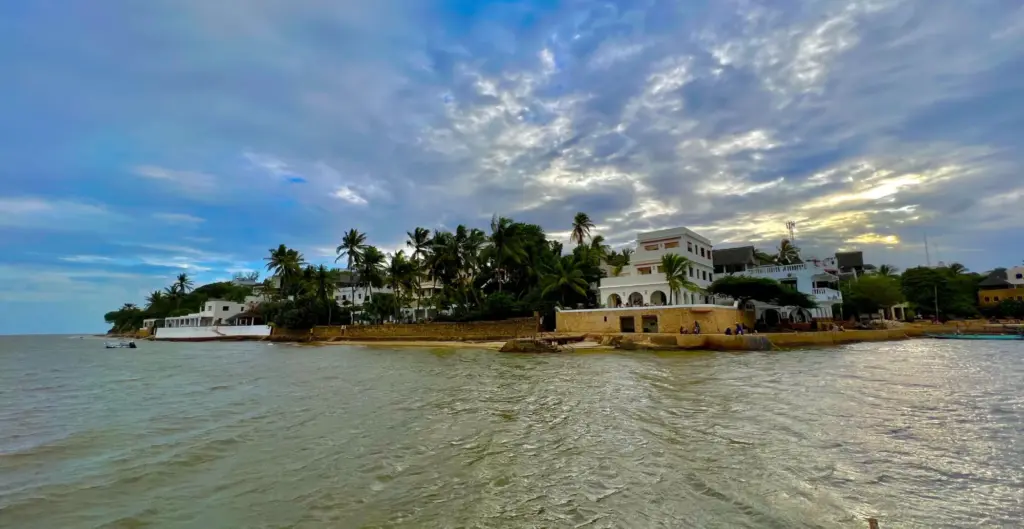
Shela comes with a different mood and style. Lamu Town has more density, more corners, more daily friction. Shela opens things out. More air. More sand. More light between buildings. It still has narrow lanes and donkey traffic, but the whole place feels looser and lighter on its feet.
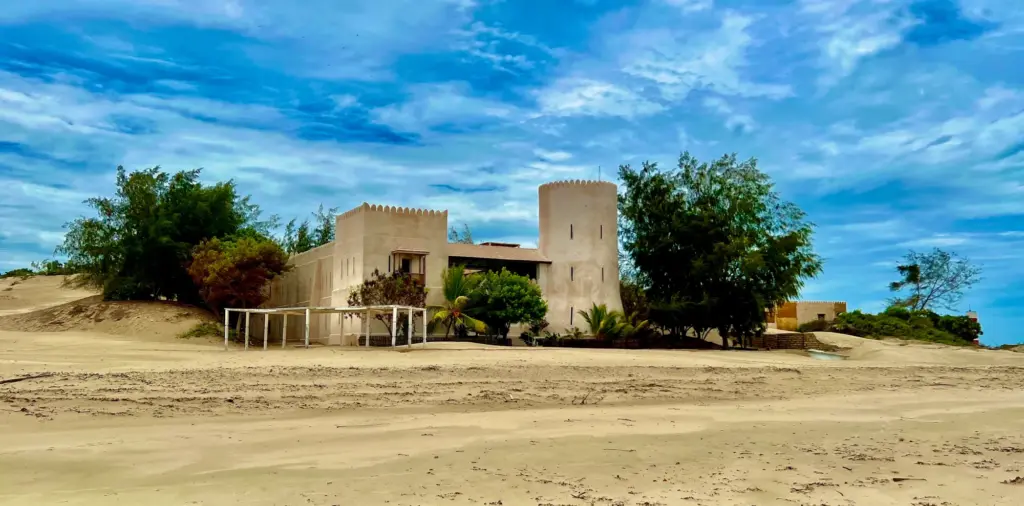
That crossing from Lamu Town to Shela is short, but it changes the feel of the day. The houses are beautiful in that Swahili coast way that does not need much commentary. White walls, wooden doors, courtyards, terraces, sea breeze. Peponi gets the legendary billing, fairly enough, but even outside the famous names Shela has an ease that is hard not to like.
The beach adds another layer again. Long, pale, open, and good for walking, especially when the light starts softening and the dhows begin looking exactly as they should in a place like this. Shela is calmer, but not sleepy. It just carries itself differently.
Farther Out
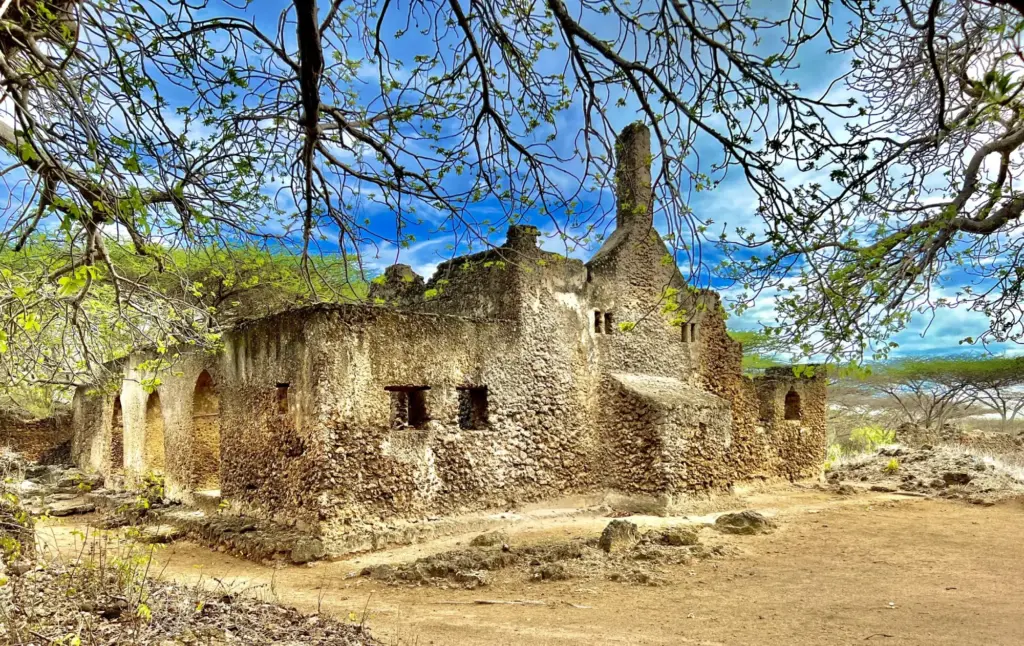
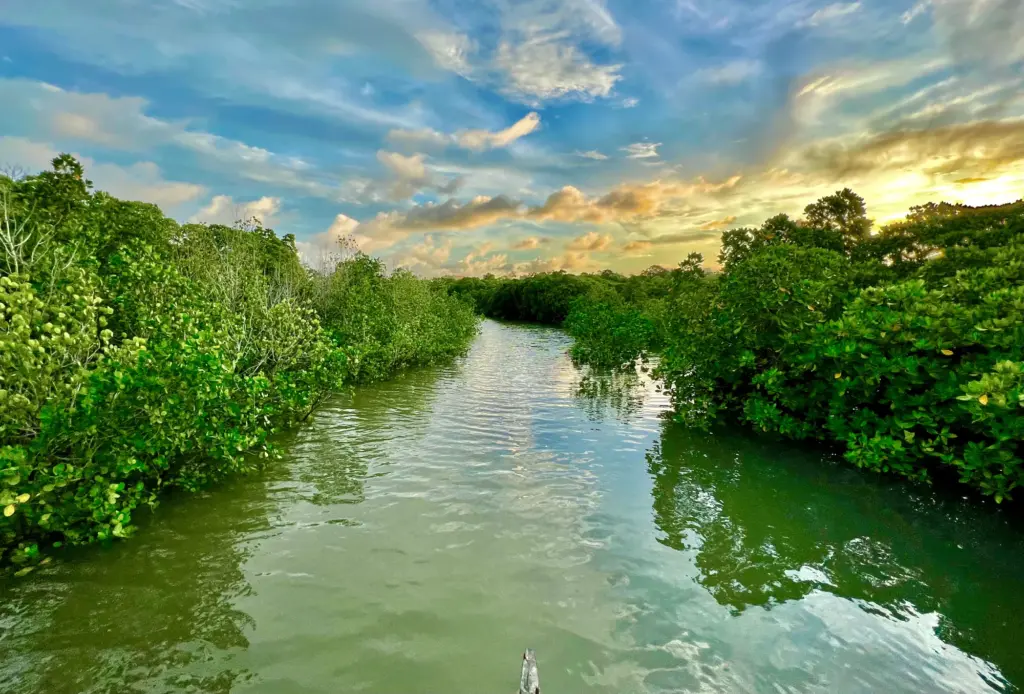
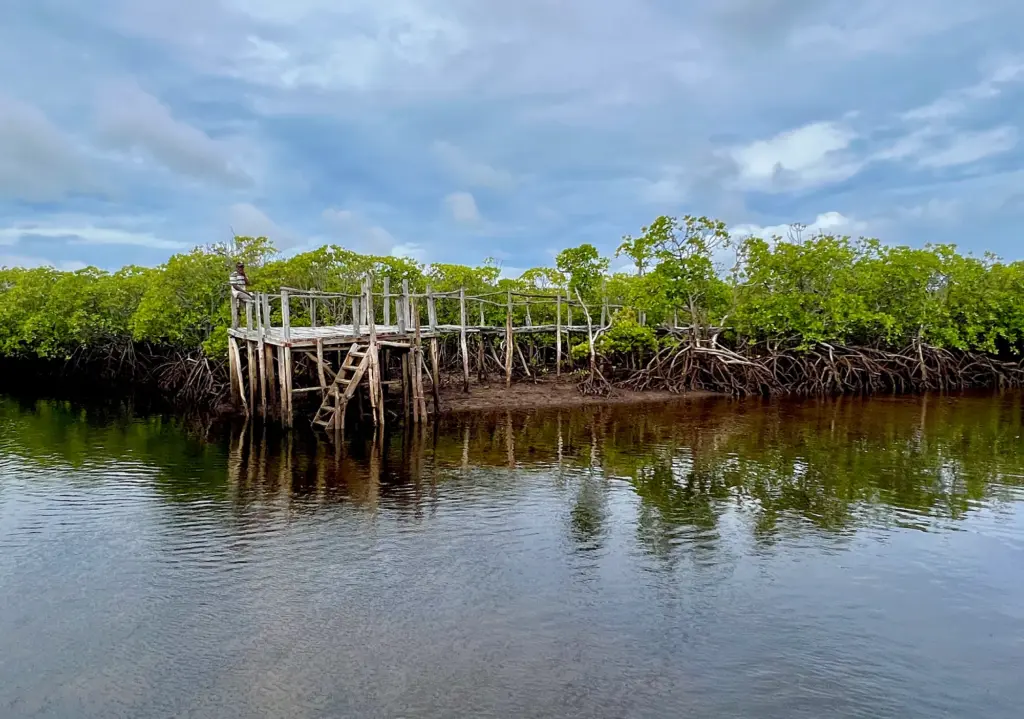
Part of what gives Lamu its pull is that it is not only one town. The wider archipelago gives it range. Manda changes the scenery with mangroves, channels, wider views, and quieter stretches. Takwa Ruins adds historical weight. Pate and Siyu Fort pull the imagination farther north. Kiwayu and the Kiunga Marine Reserve take things even further out, where the coast starts looking wilder and the distance from mainstream tourism becomes part of the appeal.
That wider setting matters because Lamu is part of a much bigger Swahili world. You feel that in the architecture, in the layout of the town, in the movement across the water, and in the sense that these islands were tied into the Indian Ocean long before modern tourism came along with booking platforms and packaged beachwear.
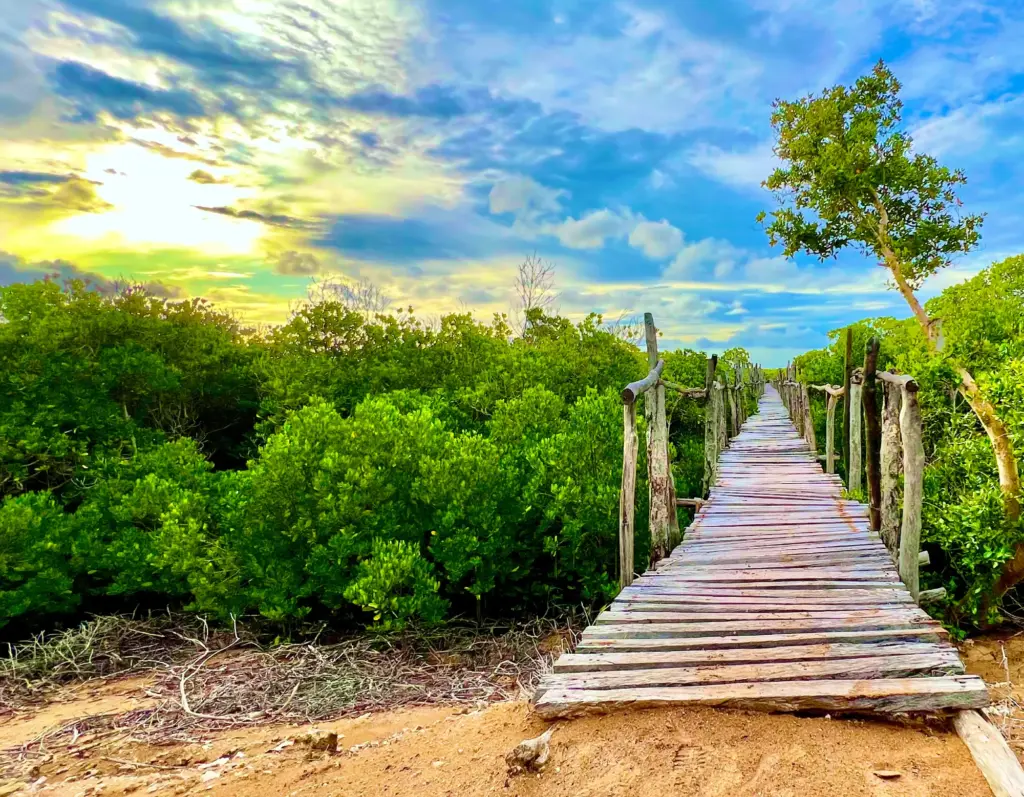

Lamu is not sealed off from the present either. Parts of the bay and surrounding area have changed, and that belongs in the story too. But it does not cancel what makes the place special. Boats still matter here. The lanes still slow you down. The donkeys still run island logistics with more authority than anyone in an office ever could.
That is what keeps drawing me back. Not a fantasy, and not some polished heritage version of the coast. Just the fact that Lamu still has its own logic, and you notice that more clearly with every return. Spend a bit of time here and a lot of other places feel overly loud afterwards.
Lamu in 2003
A few of these shots go all the way back to my first trip here in 2003. They are not better because they are old. They are just a reminder of where my own Lamu story started, back when I was a young intern in Kenya with a backpack, good friends, and very little idea how how those trips would set the direction for my life.