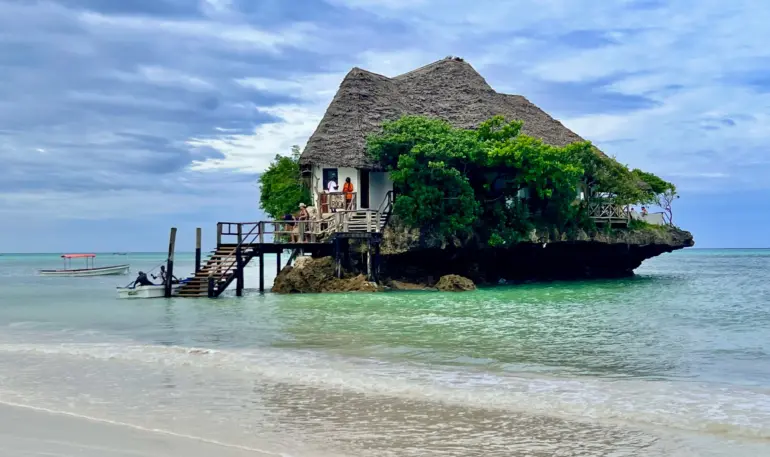
The Spice Island in the Indian Ocean
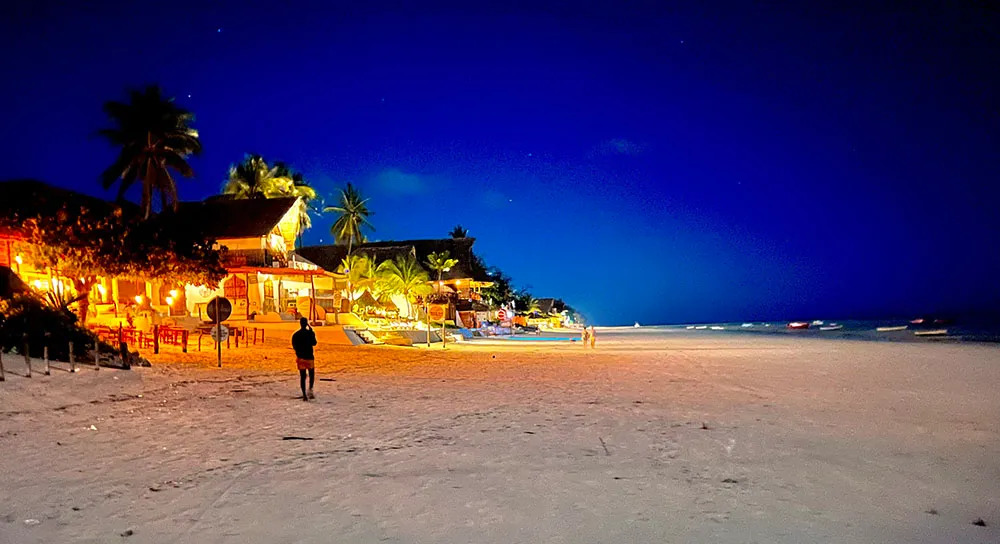
Zanzibar has been part of my story since 2002, when I first came here as a backpacker with good friends, very little money, and no plan worth defending in public. We rattled our way up the then awful road to Nungwi, which still felt very much like a fishing village with a few backpacker spots hanging off the side of it. We spent New Year’s Eve there.
Back then, maybe 200 tourists could make the place feel crowded. Today that sounds almost sweet.
I’ve been back many times since. Some trips were holidays, some work-related, some in that nondescript space between business and leisure. The island changed a lot over those years. So did the way I looked at it. The reason I kept going back did not.
Zanzibar is easy to like on first sight. That part is not exactly difficult. But the island keeps getting more interesting the more you explore it.
Beyond amazing beaches
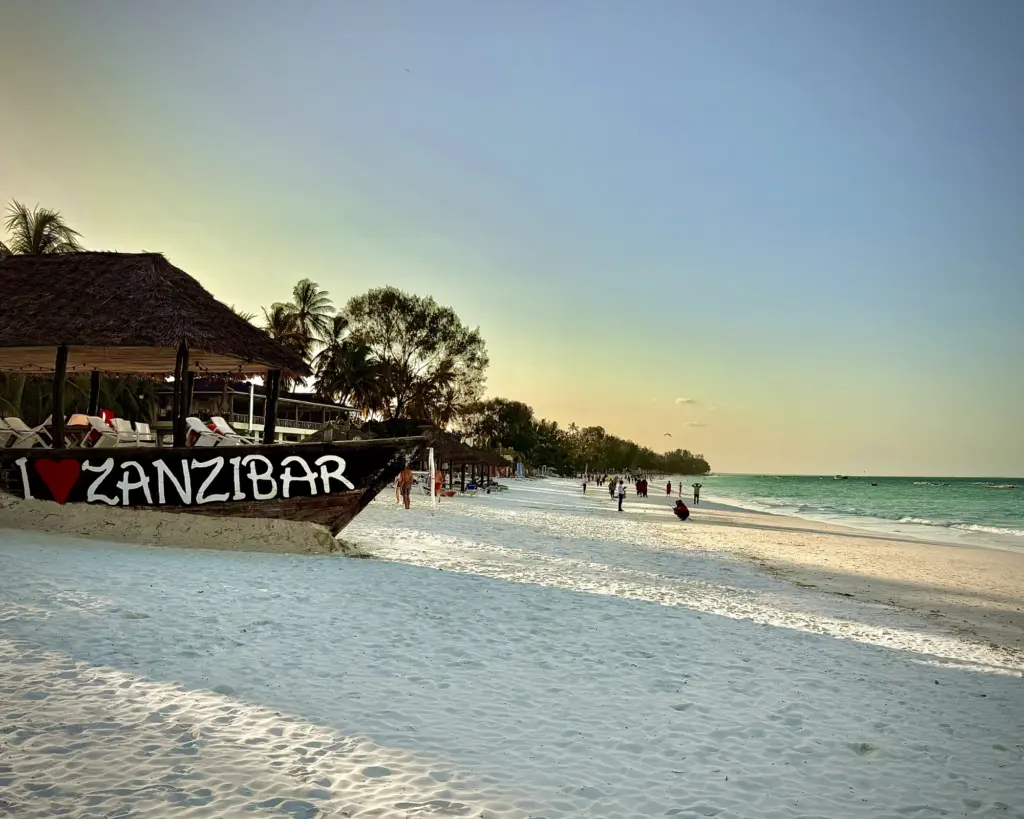
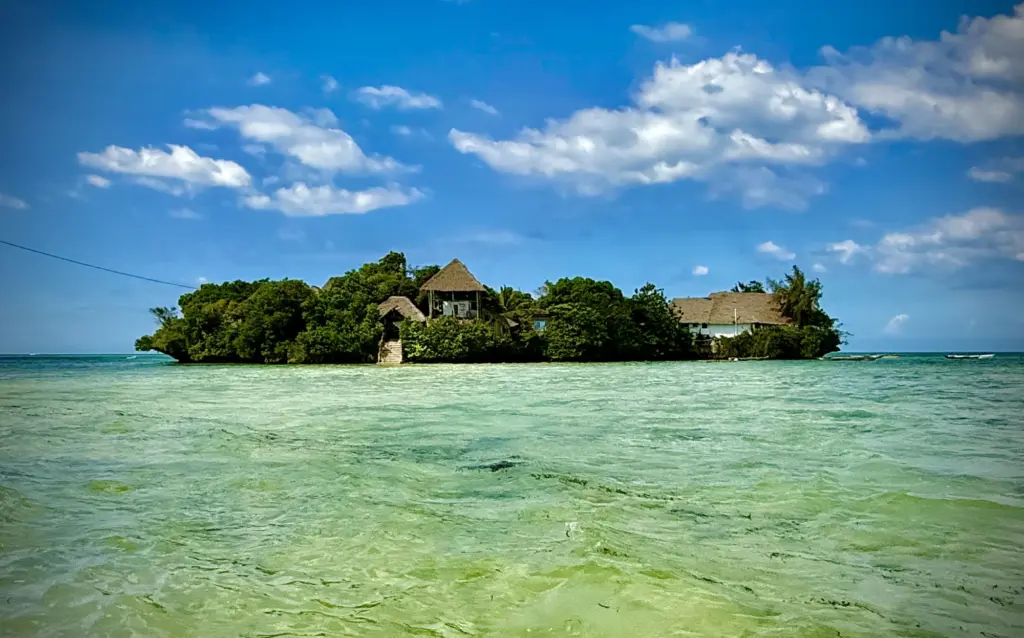
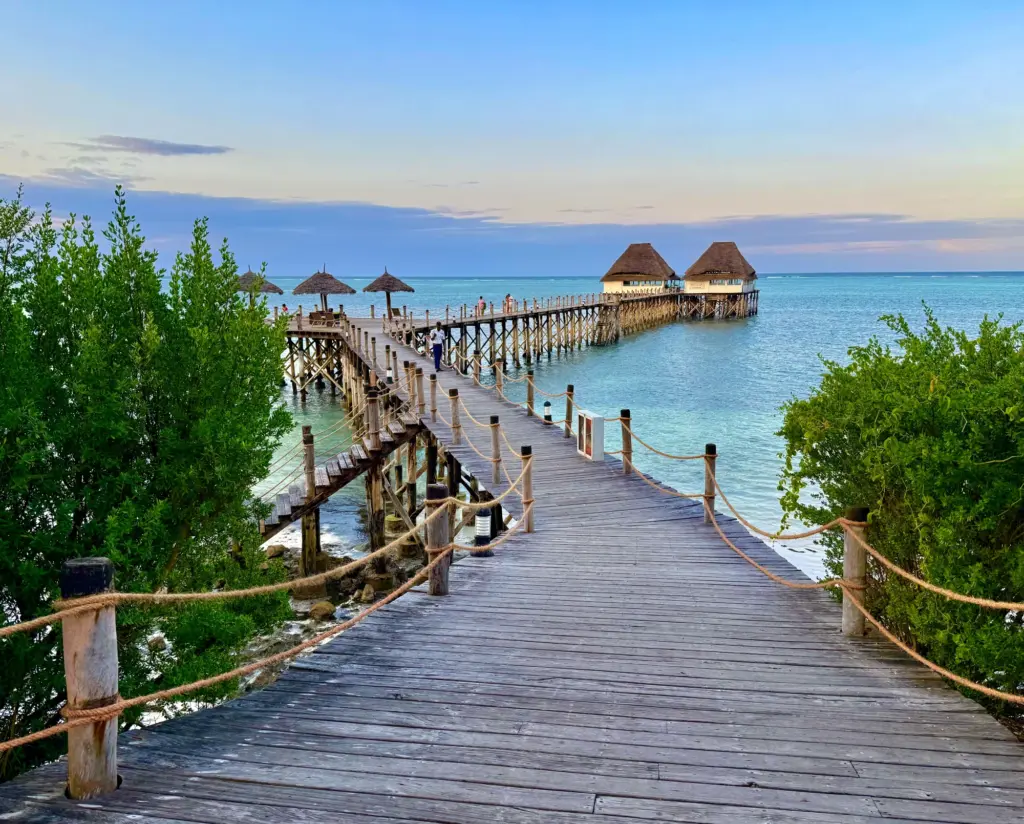
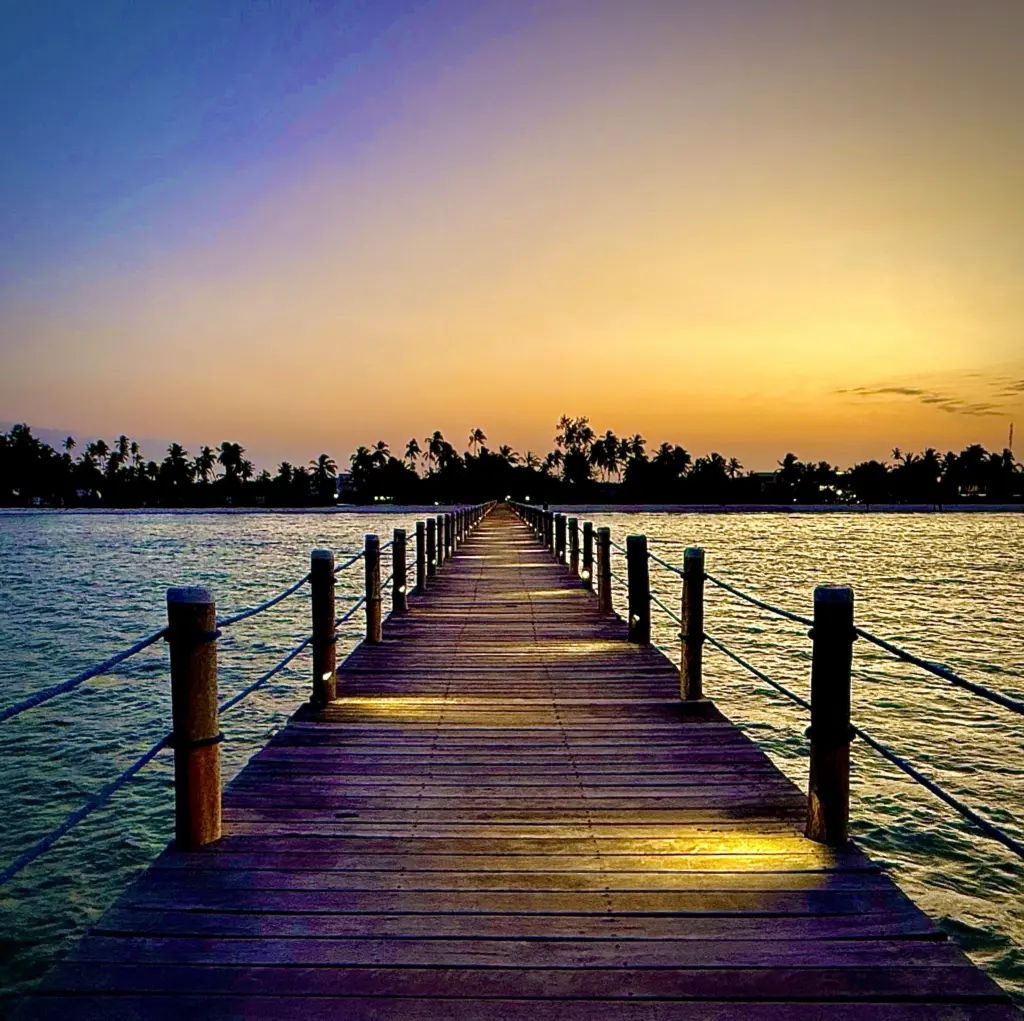
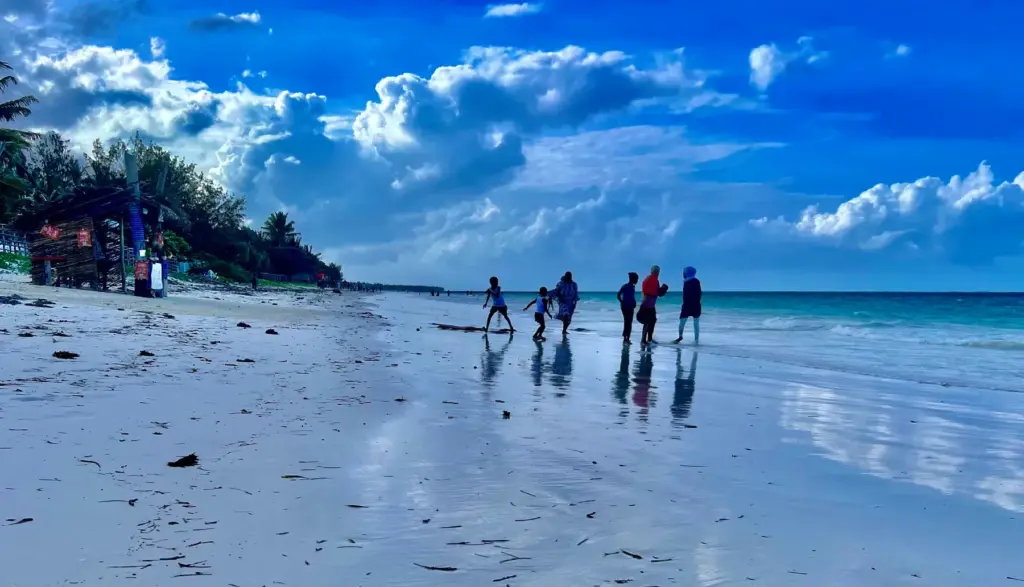
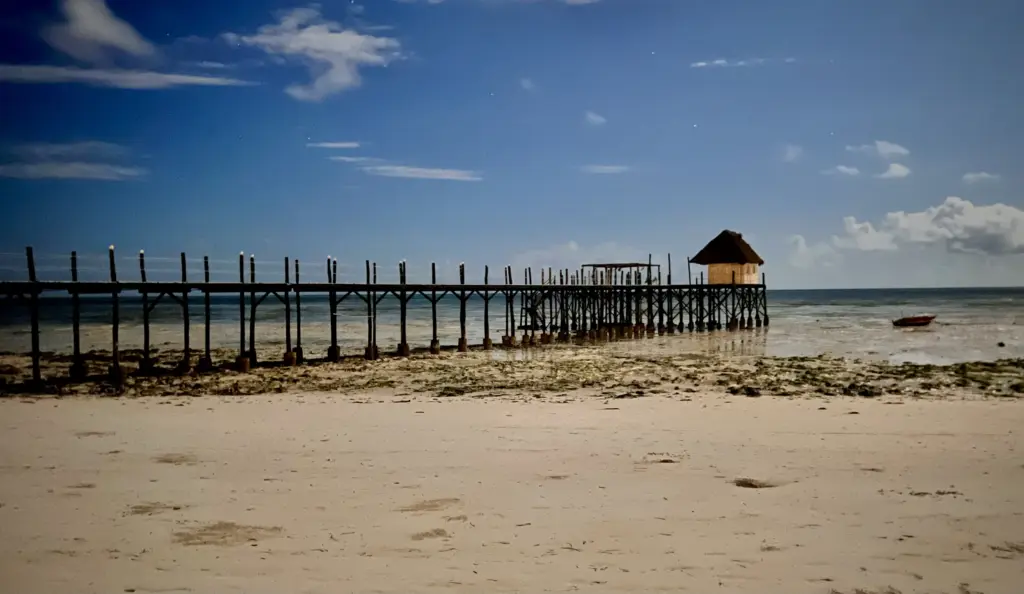
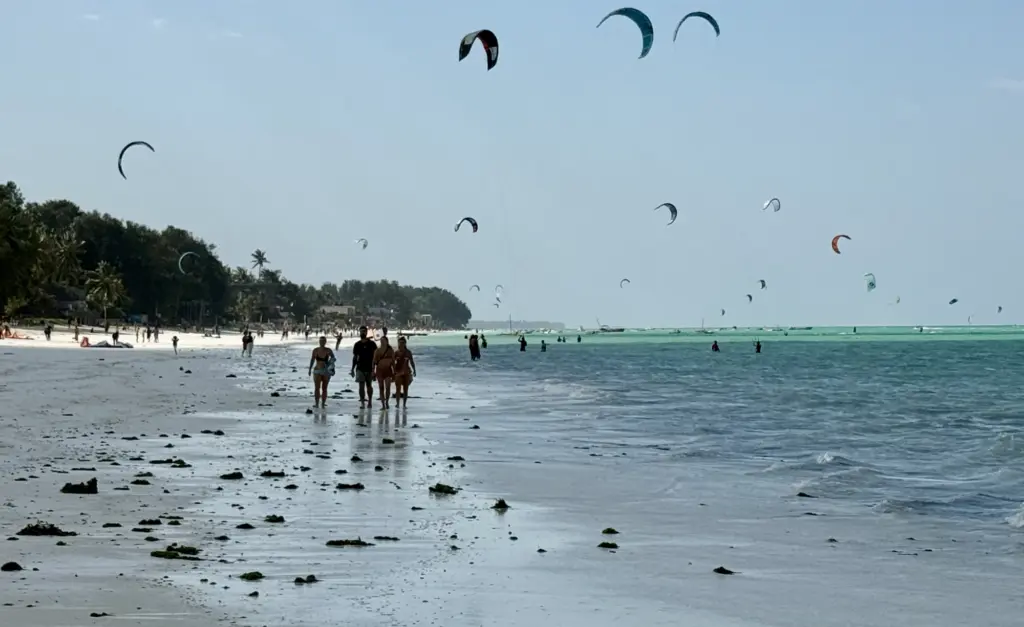
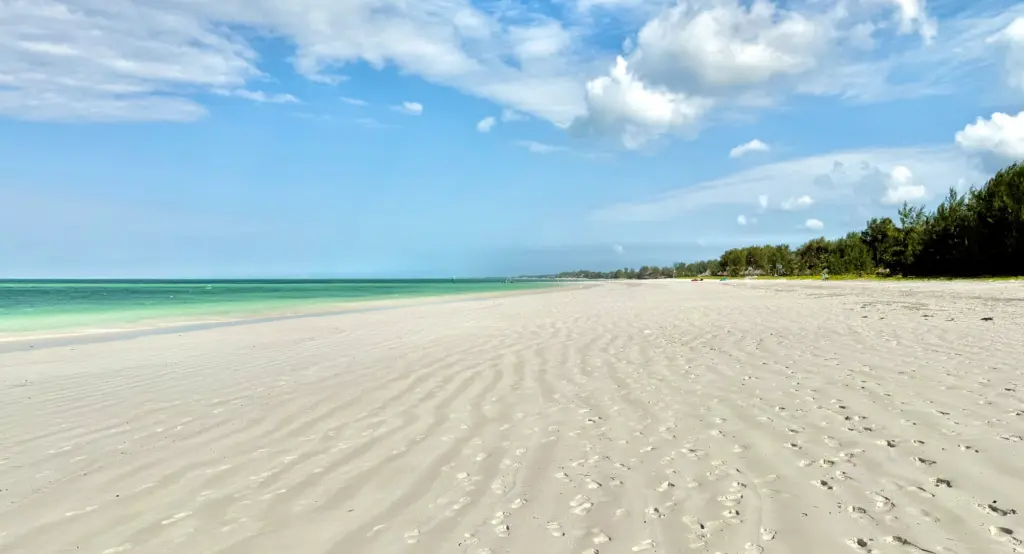
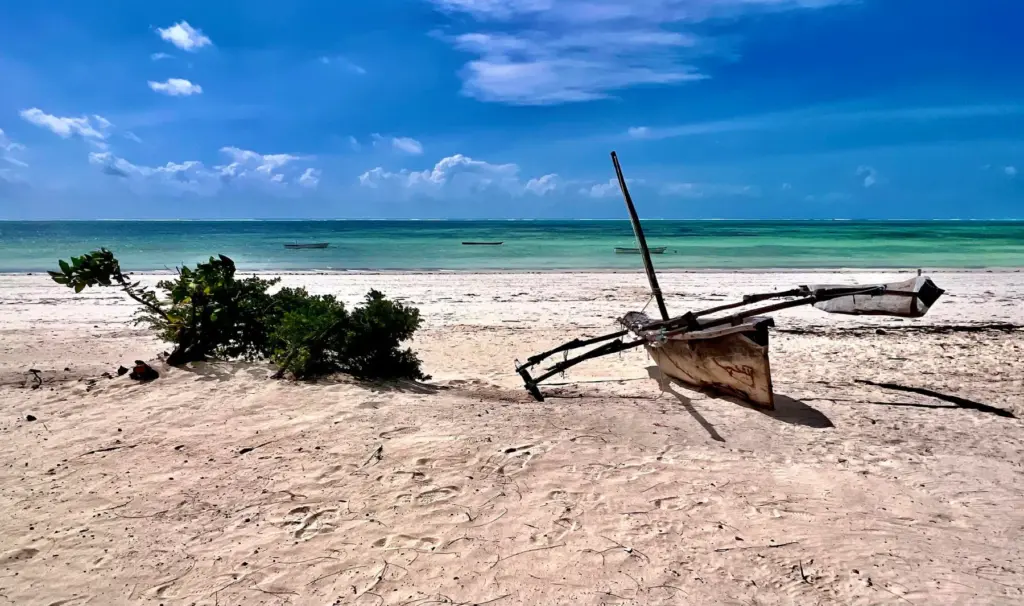
A lot of visitors come to Zanzibar for the beaches. Zanzibar has some of the best beaches in the world, so that’s normal. The fine white sand and the crystal-blue shallow water are worth the trip on their own.
But Zanzibar is so much more than just beaches.
Zanzibar was the centre of gravity of the Swahili coast. A key part of the wider Swahili civilization tied into the Indian Ocean trade world from Sofala in present-day Mozambique all the way up to Kismayo in southern Somalia. Along that coastline sat places like Kilwa, Zanzibar, Mombasa, Malindi, and Lamu. Different towns, different strengths, same wider world. Trade moved through them, yes, but so did language, religion, architecture, food, taste, money, and ambition.
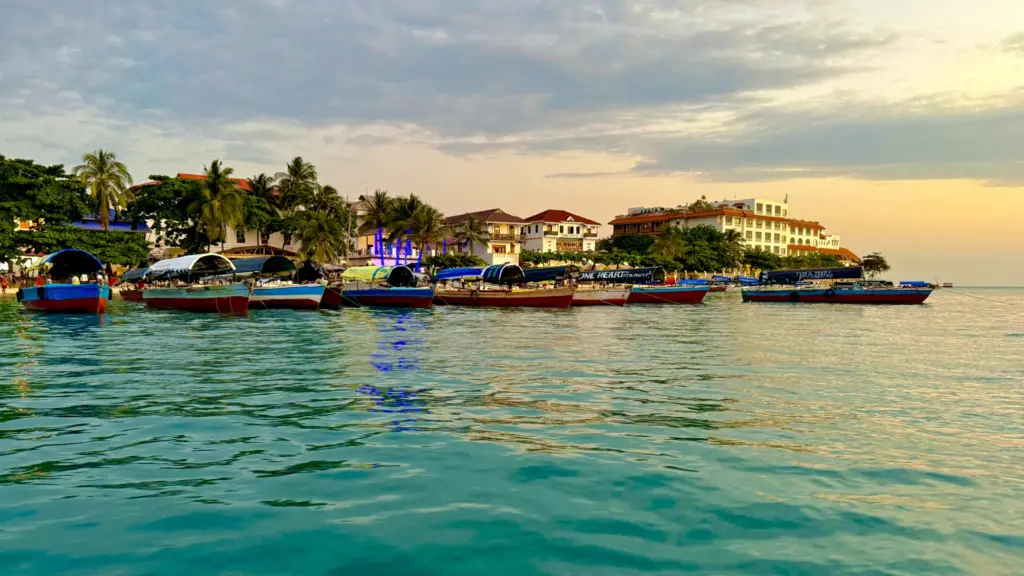
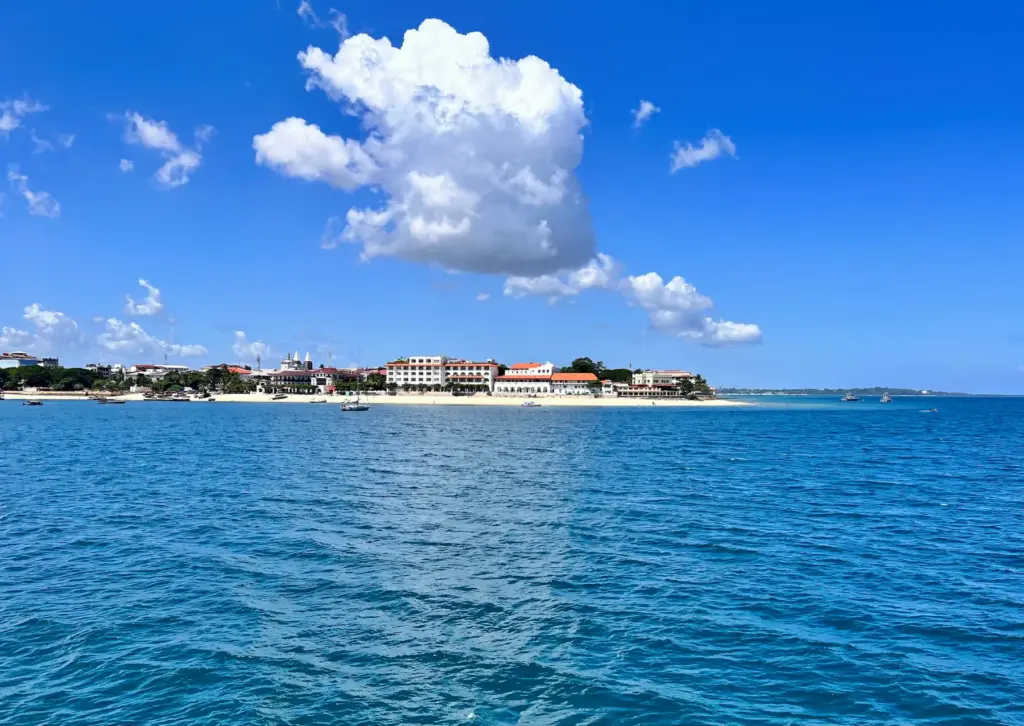
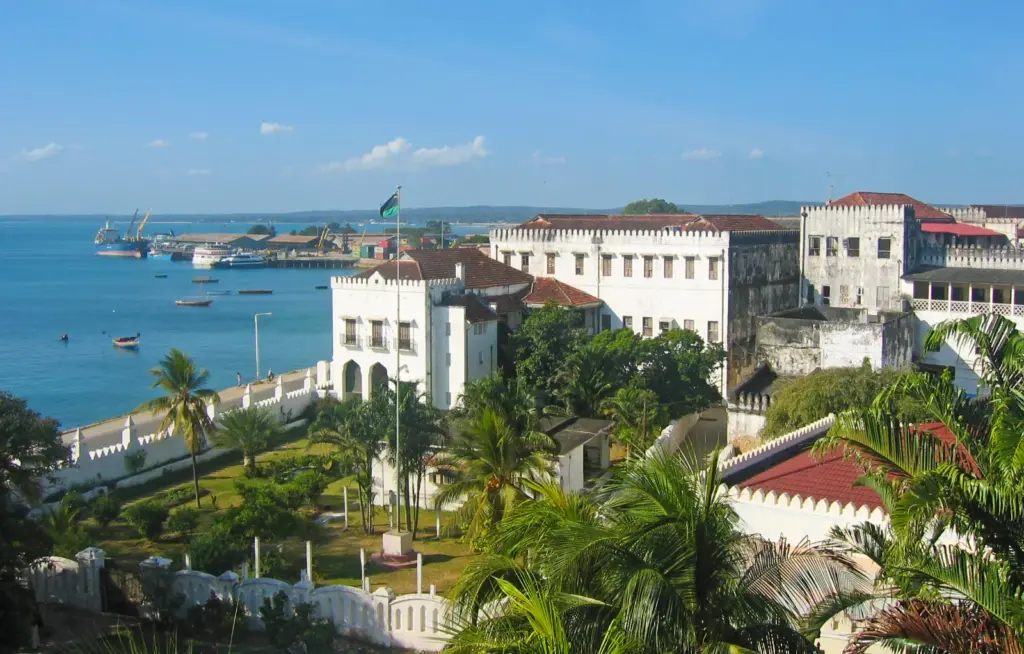
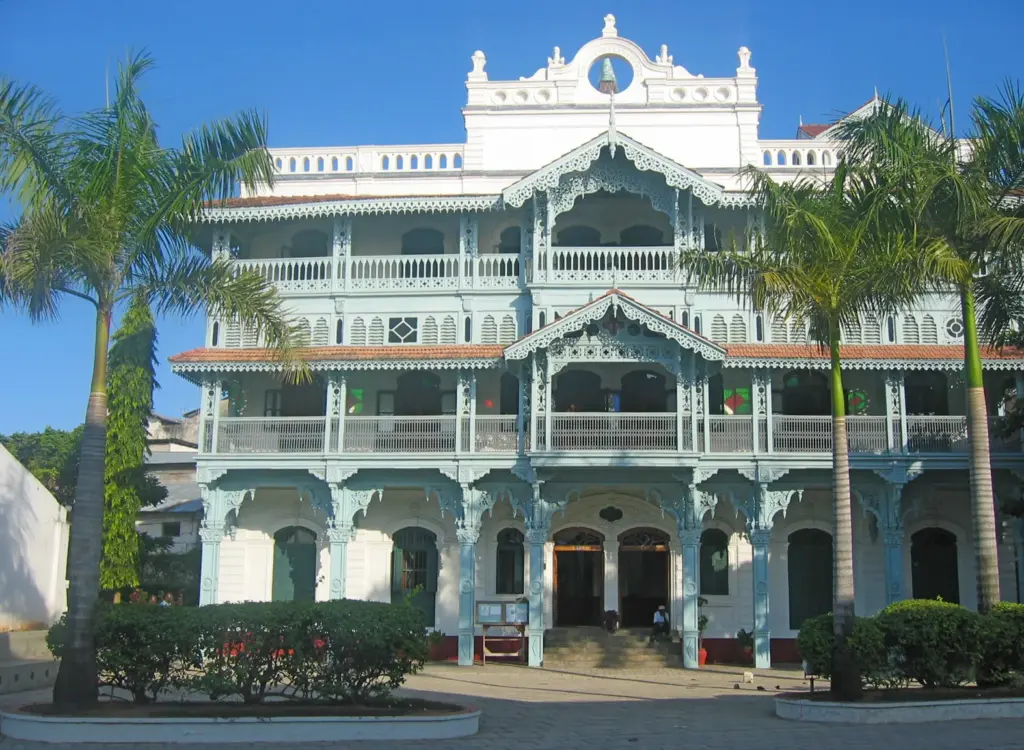
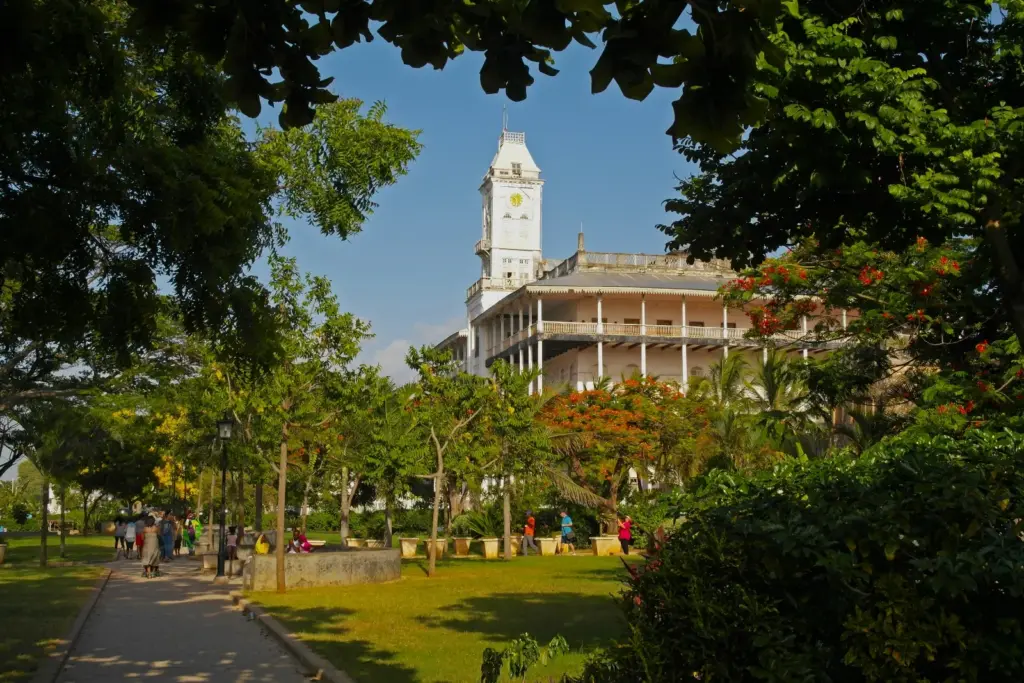
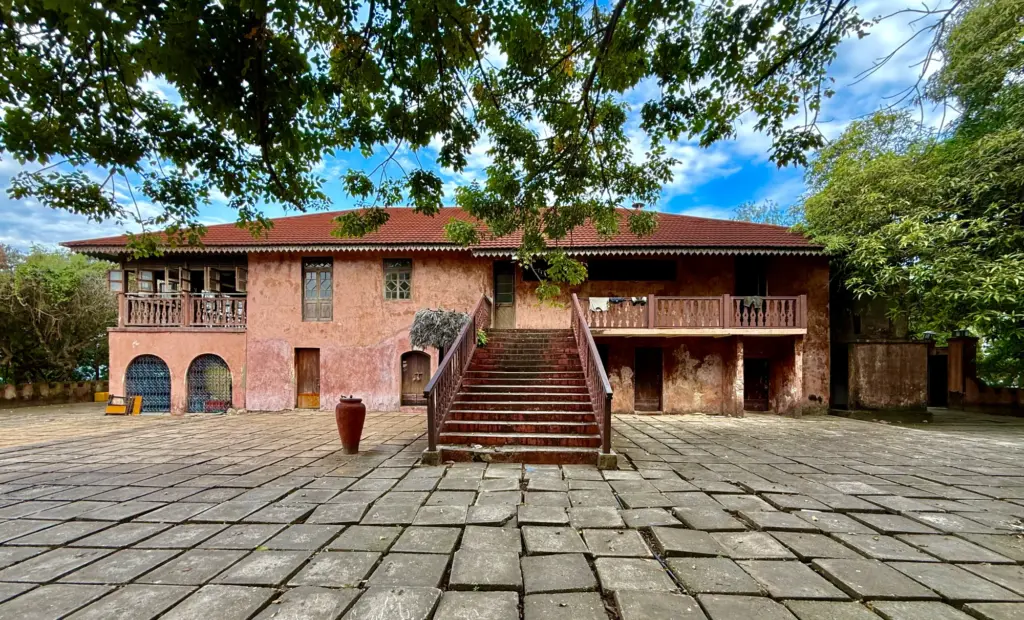
In Stone Town, that heritage is on display throughout, and you don’t need a guidebook to see or understand it. Coral-rag walls. Carved doors. Old merchant houses. Tight streets. Sea-facing buildings. Fading facades. You can feel that this was a major trading hub where people and cultures have kept meeting and fusing for centuries.
Zanzibar sat in the thick of that Indian Ocean world for centuries. You still feel that in the place. You can smell it too. Cloves, cinnamon, cardamom, nutmeg, fruit, salt, heat, charcoal smoke, and food being cooked properly somewhere nearby. Zanzibar rarely smells boring.
That history also has a darker side, and it belongs in the story. Zanzibar was deeply tied to the Indian Ocean Slave Trade. While less widely discussed than its Atlantic counterpart, this brutal commerce ran for centuries and, across the wider Indian Ocean system, involved millions of people. The beauty of Zanzibar today sits alongside a dark past that should not be forgotten.
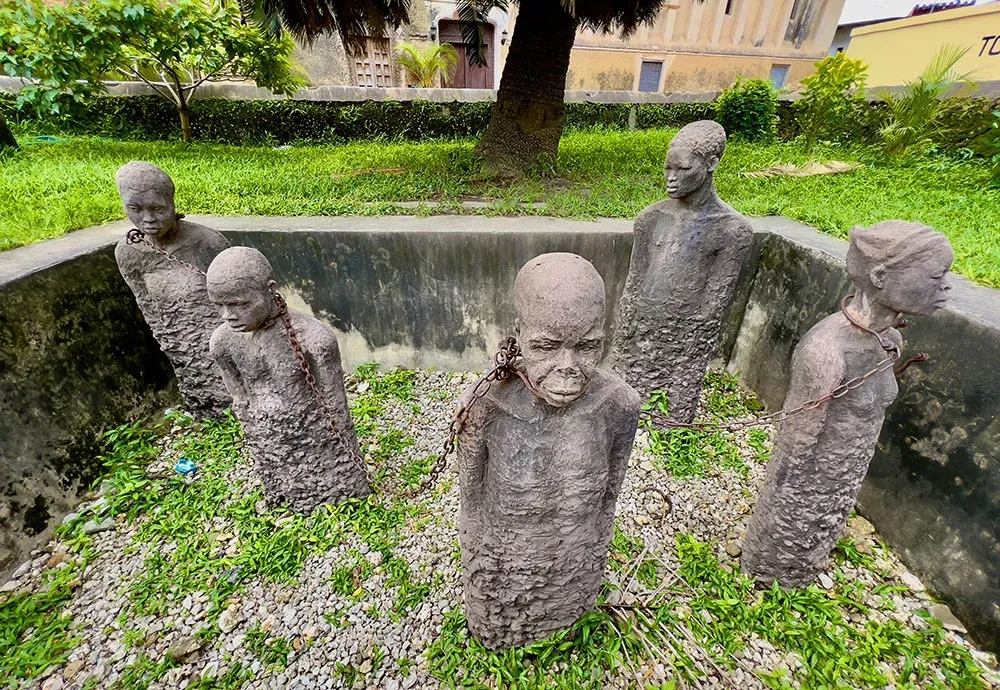
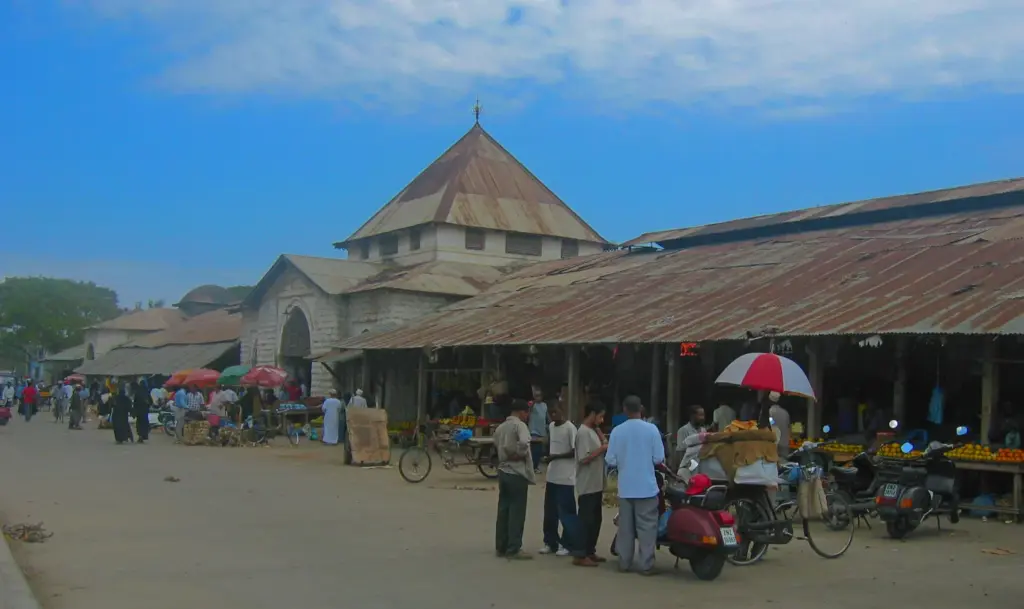
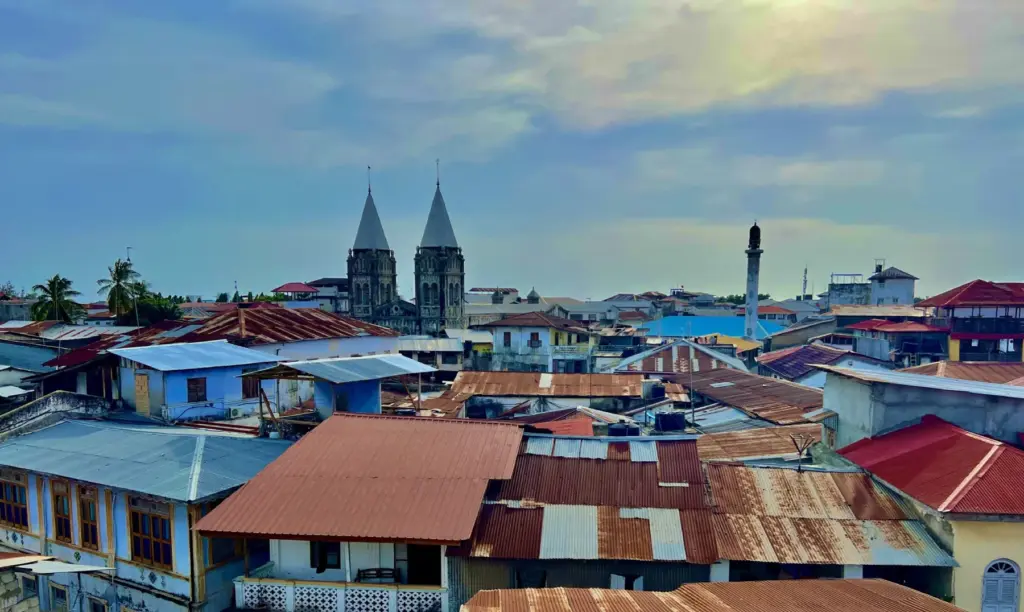
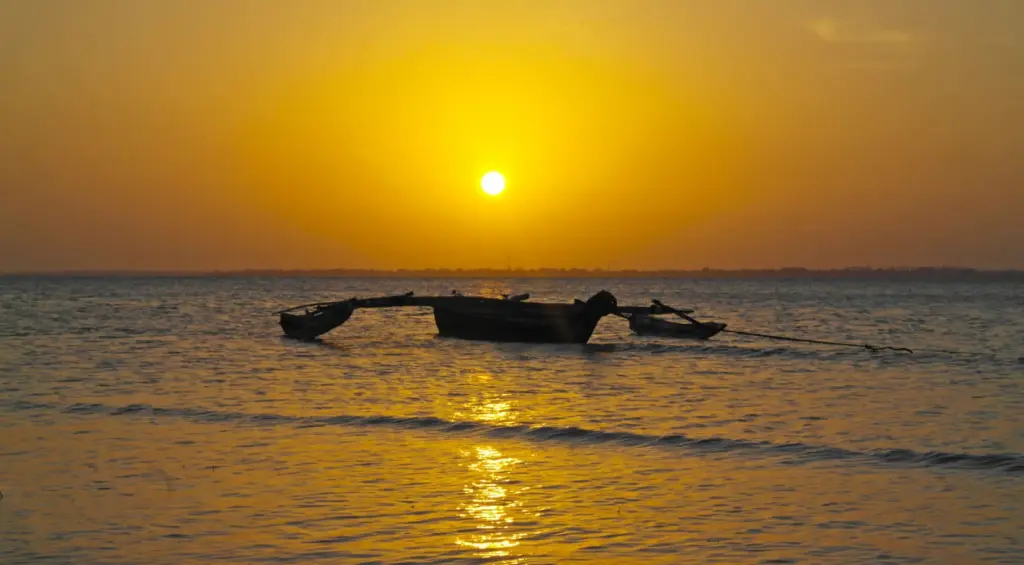
Stone Town – capital city of the Swahili Coast
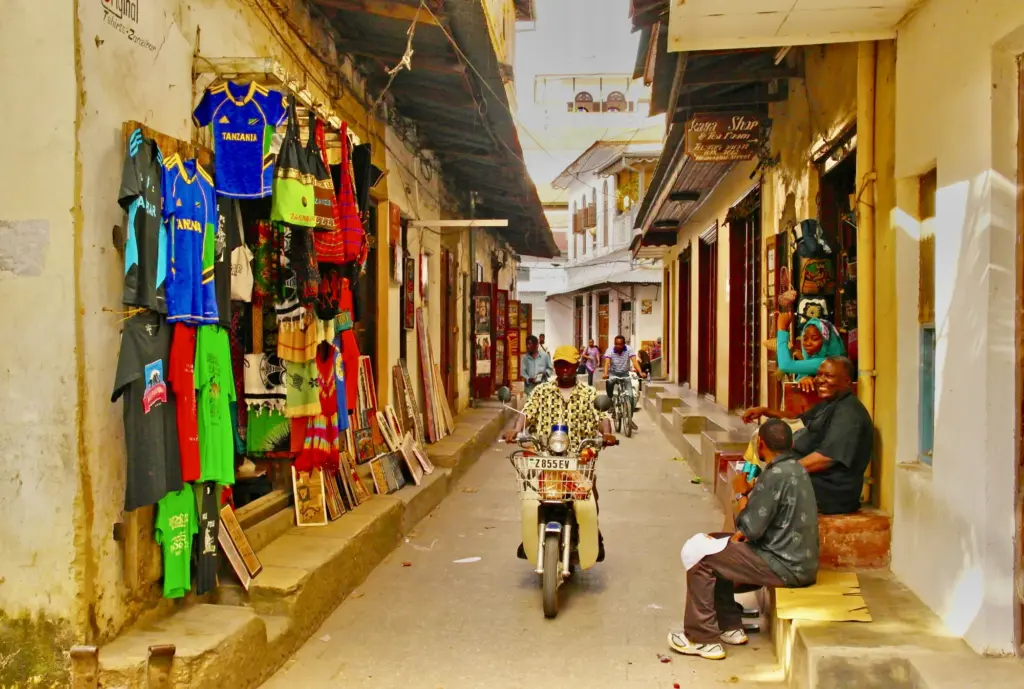
Stone Town remains one of my all-time favorite places in Africa, and actually in the world. Yes, it has become more touristic and a bit more polished since I first dragged my backpack through it in 2002. But it still has the mess, noise, friction, chaos, and cacophony of smells that make it feel real and alive, just as it did back then.
You feel history in the streets, yes, but also ordinary daily life carrying on around it. Narrow, winding alleys and not one single straight street. A maze where getting lost is part of the experience. Shops opening. The buzz of conversations in Swahili. Scooters appearing from angles that technically shouldn’t be possible. A vibe slightly reminescent of the Medina in Tunis, Cairo, or any Middle Eastern or North African city that still has its old town intact.
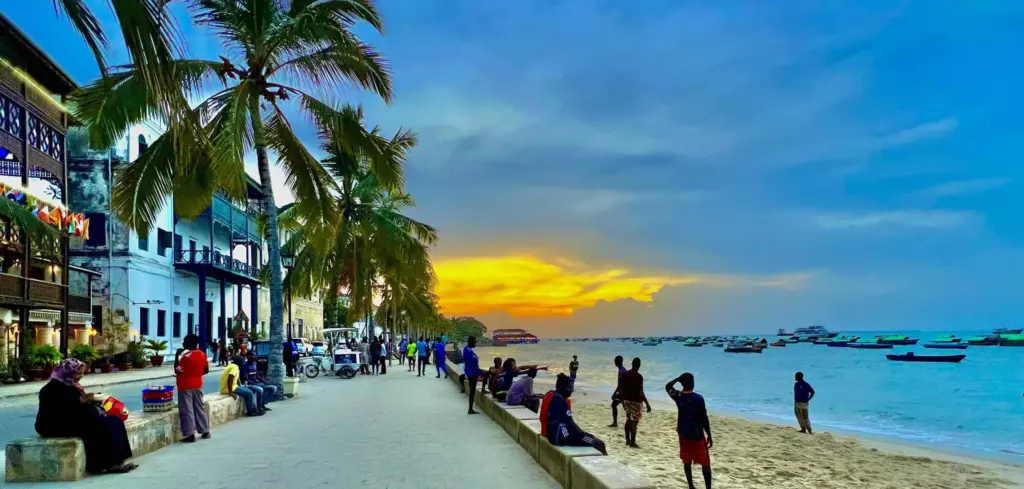
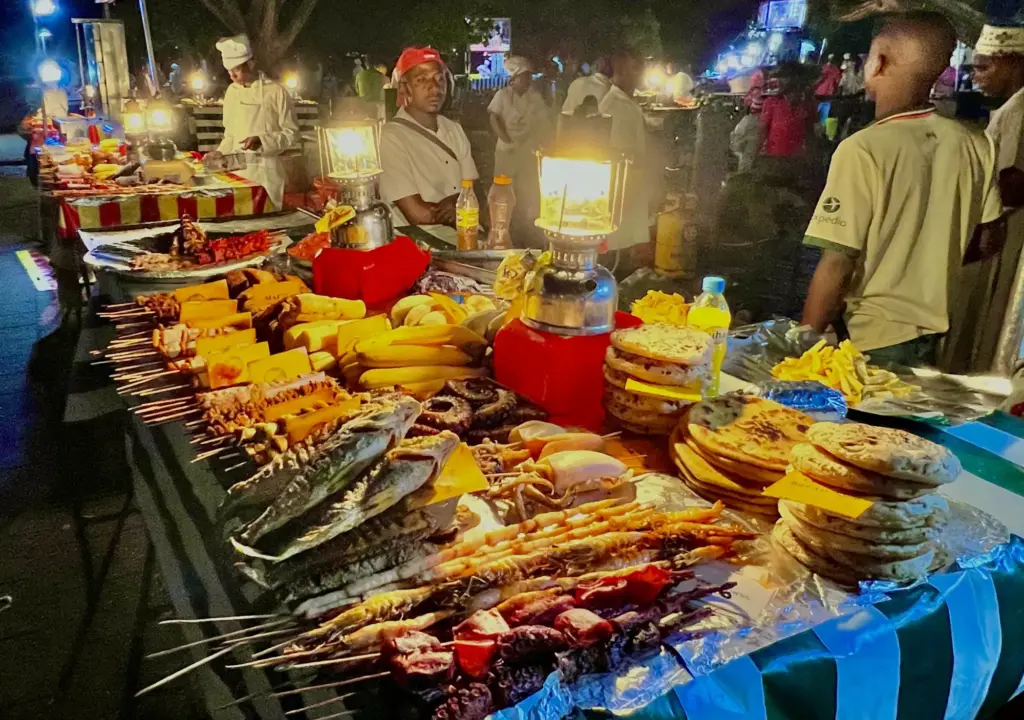
There is also street food and improvised roadside vendors. Kids waving at visitors with big, bright smiles, sometimes calling out “mzungu,” even though we, the exotic foreigners, are far less exotic than we were a quarter-century ago. Smoke rising around Forodhani by evening. Stone Town still has enough life, clutter, and slight disorder to avoid turning into a museum quarter with better cocktails.
The towns and villages
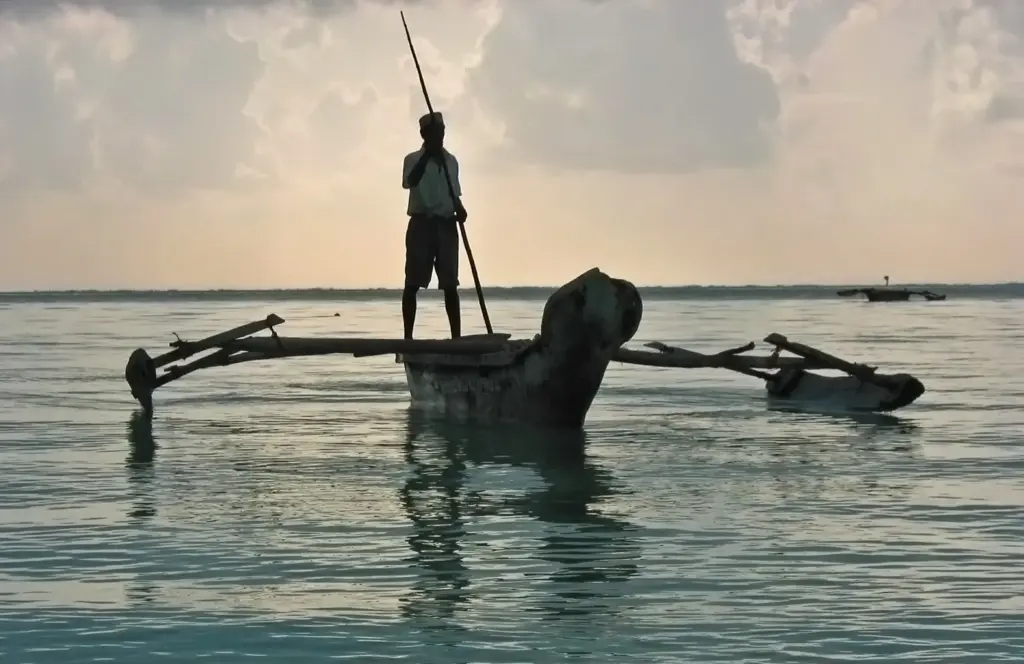
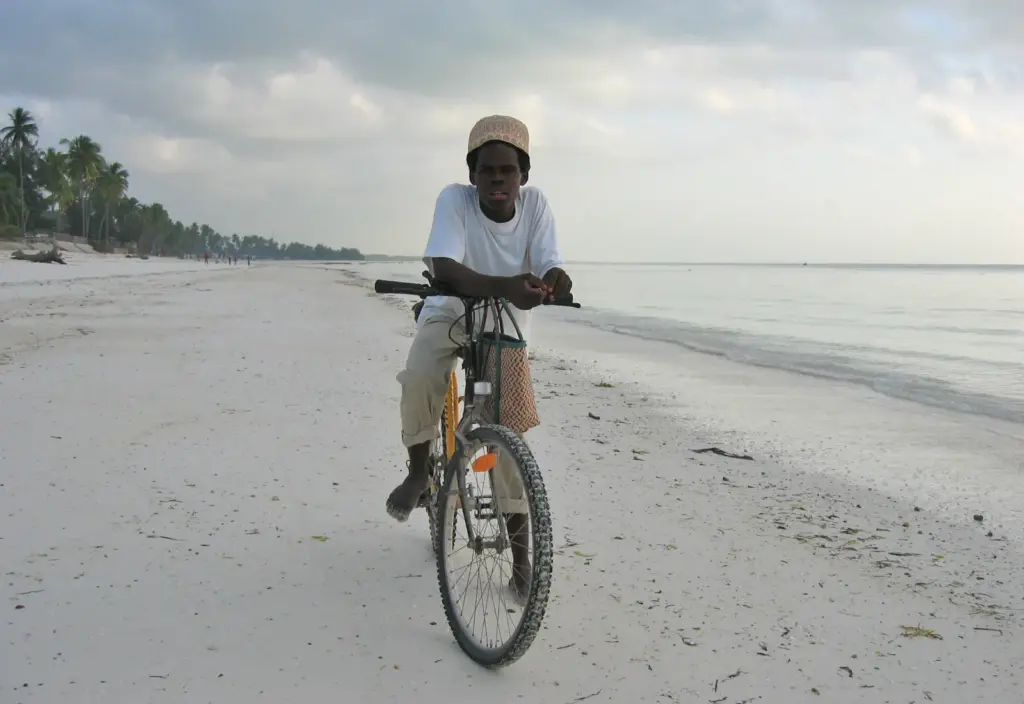
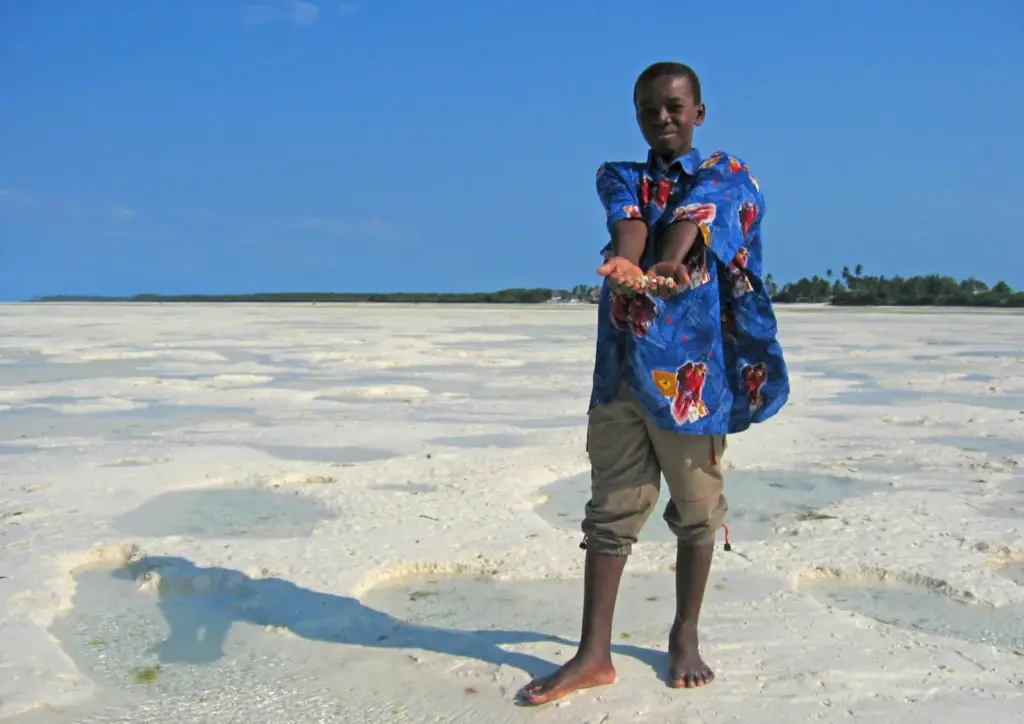
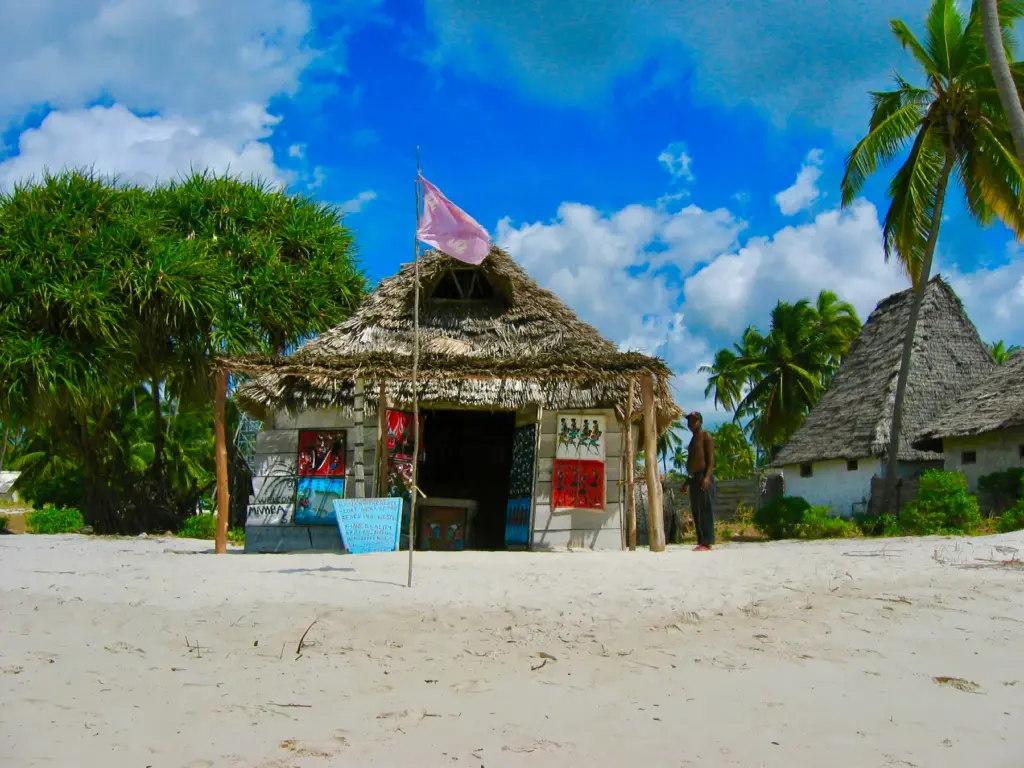
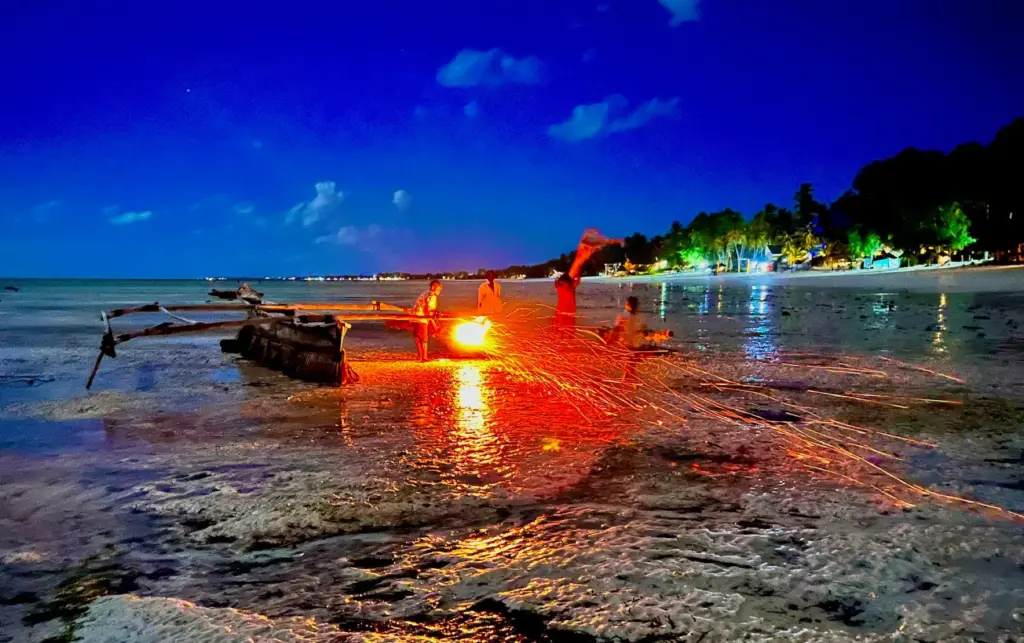
Beyond Stone Town, the traditional Zanzibari way of life is still very much alive, even though the best stretches of beachfront have increasingly been ceded to tourist hotels. People heading out early. Fishermen fixing boats because traditional boats, inconveniently, are high-maintenance assets. Women working the shallows. Kids moving along the beach as if the Indian Ocean is just part of the neighbourhood, which for them it is.
Even with all the growth, the resorts, the beach clubs, the villas, and the polished tourism machine, the old island is still alive in the villages, where people are up before sunrise doing what they have done for centuries to put food on the table.
Spice, caves, and the bits that stop Zanzibar becoming visually repetitive
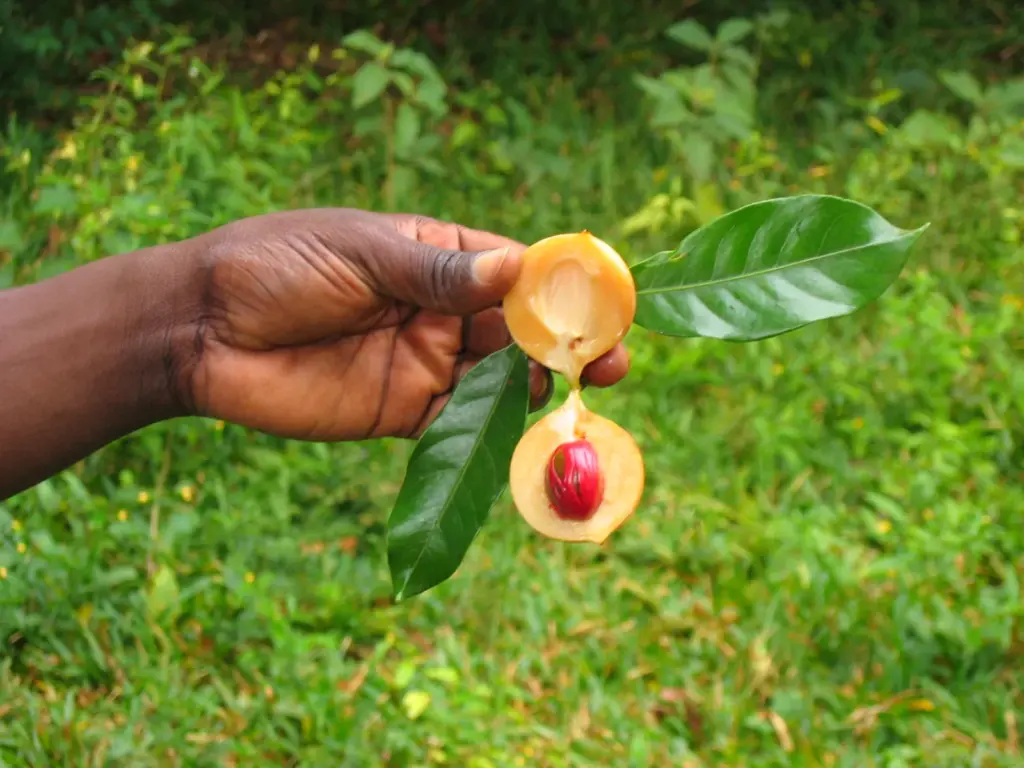
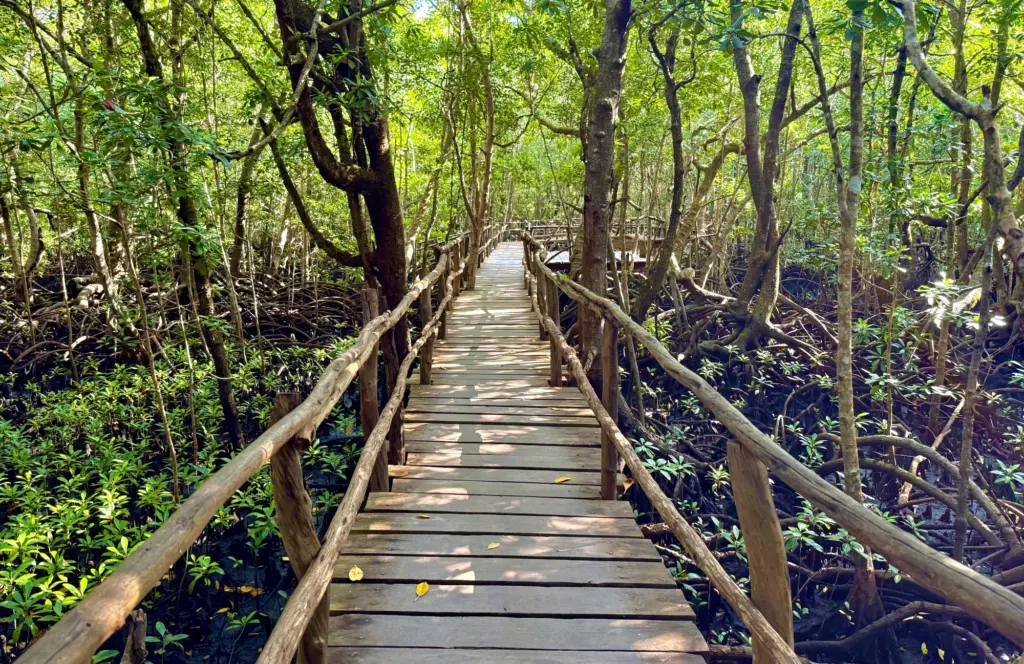
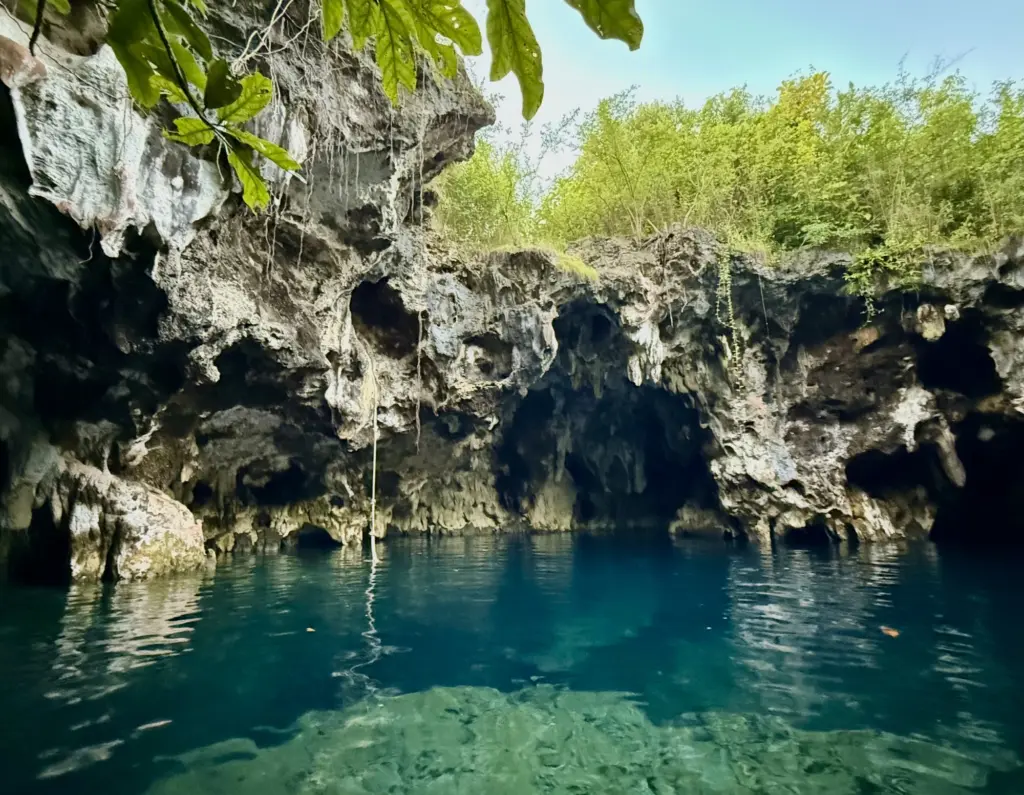
Zanzibar is a multi-faceted island. Yes, the beaches are the first thing that lands in your inbox when an airline wants to sell you a vacation there, but the Spice Island has much more on the table. Spice farms. Market corners. Cave pools. Dolphins. Giant sea turtles. Old streets. Forest patches. Little details that break up all the perfect sand and obliging turquoise water.
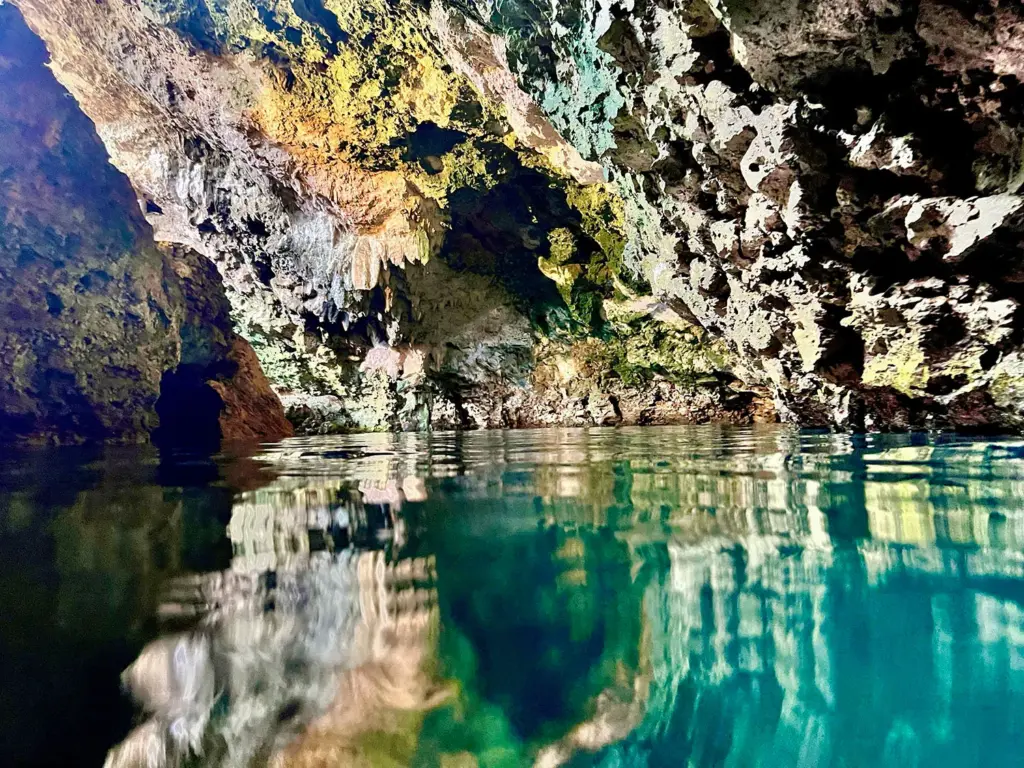
The spice farms are so much more than just exciting tourist attractions: They are cornerstones of the island’s history and identity, and a living reminder of Zanzibar’s position in the Indian Ocean trade. The cave pools in Maalum and Kuza offer a different mood altogether, and something different from most African destinations. Jozani brings in another dimension yet again. Even one market scene or one rough old street can do the job. They remind you that Zanzibar is so much more than just a splendid beach vacation.
It is a place with layers. With so much more depth than the postcard-perfect pictures and drone videos.
The island has changed, but not beyond recognition
The biggest shift over the years is the scale of tourism.
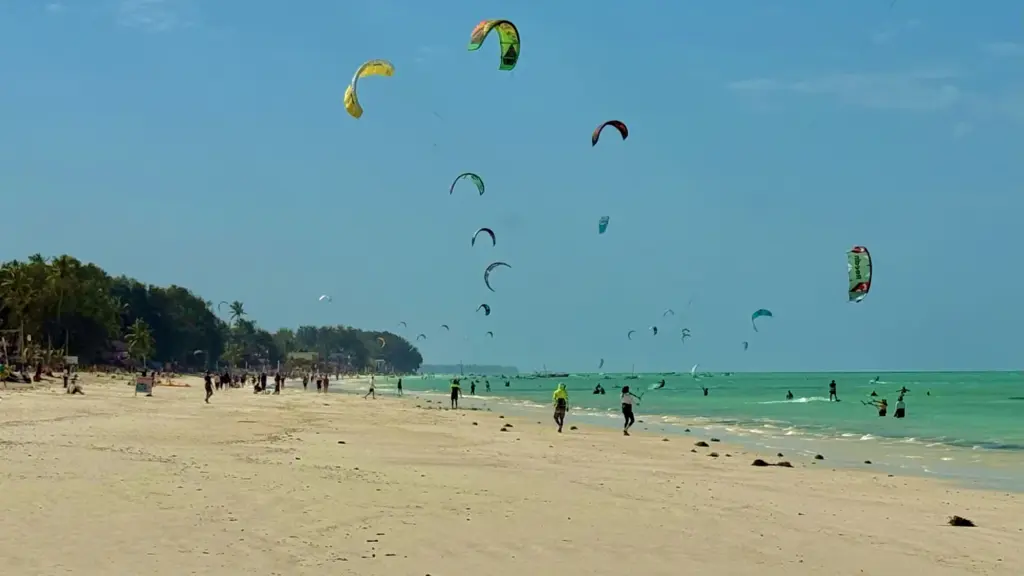
When I first went to Nungwi, it still felt village first, tourism second. Now parts of Zanzibar are running a much bigger and slicker operation. Roads are better. Hotels are everywhere. The choice is wider. The whole island is far more developed as a destination than many people expect.
That brought real opportunity. More jobs. More business. More money moving through the island. It also changed the feel of some places. Land got expensive. Construction spread. Outside taste started shaping local space. Traditions became products because that is what tourism money tends to do when it arrives fast and in volume.
That is not me doing the usual traveller routine about lost authenticity. Places change. People need livelihoods. Poverty is not romantic. But it does mean Zanzibar today is more layered than either side usually admits. It is neither untouched paradise nor ruined paradise. It is a living island that became more successful, more visible, more crowded, and in some places more complicated.
Which, to be fair, is a pretty normal thing for a place to become once the world notices it.
The island behind the pictures
I keep going back because Zanzibar has range.
It can give you old Swahili history, reef light, serious beach beauty, working coastal life, grilled seafood, good chaos, and enough contradiction to stop it becoming boring. It can look dreamy one minute and sharply real the next. That usually makes for better travel, and definitely better pictures.
So yes, there is white sand, boats, blue water, and that Indian Ocean light. But there are also the streets, the labour, the history, the spice, the market scenes, the lived-in coast, and the parts that make Zanzibar feel like more than a beach destination.
That’s why I’ve kept returning to the Spice Island over the years, and will probably keep doing so.