
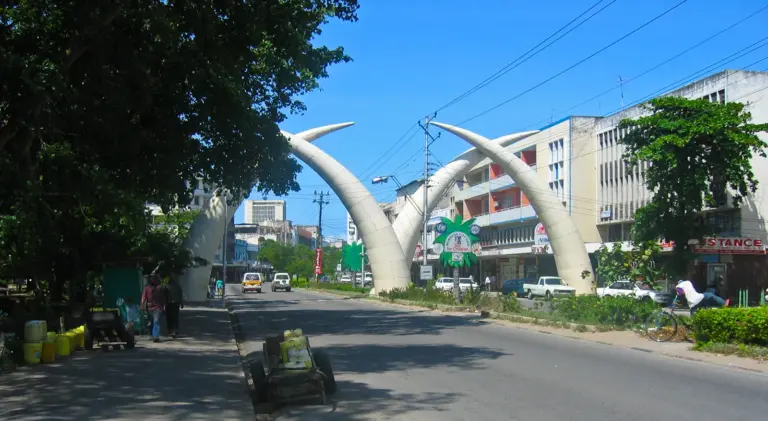
We had just come over from Christmas in Zanzibar and landed back in a Kenya that felt like it had been shaken awake. Moi was out. Kibaki had just won in a landslide. Yote yawezekana. Everything is possible. That mood was everywhere.
Mombasa was the right place to arrive in it. Hot. Salty. Busy. A bit scruffy. Fully alive.
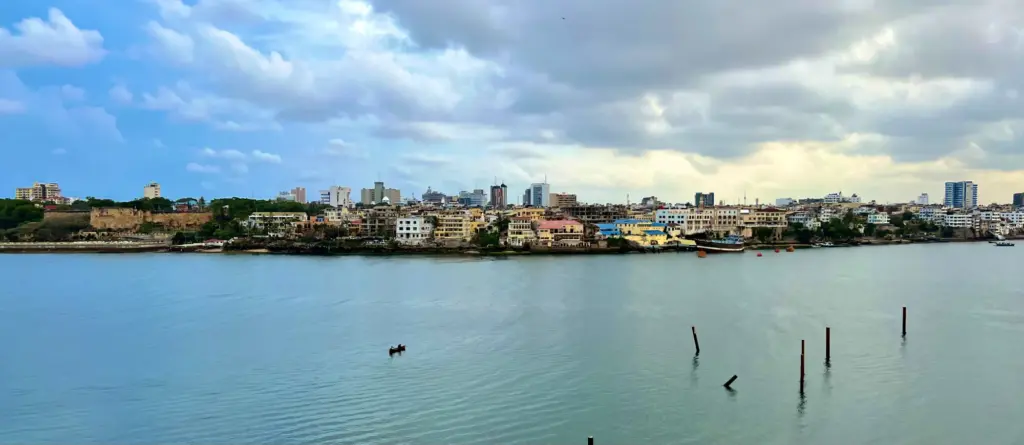
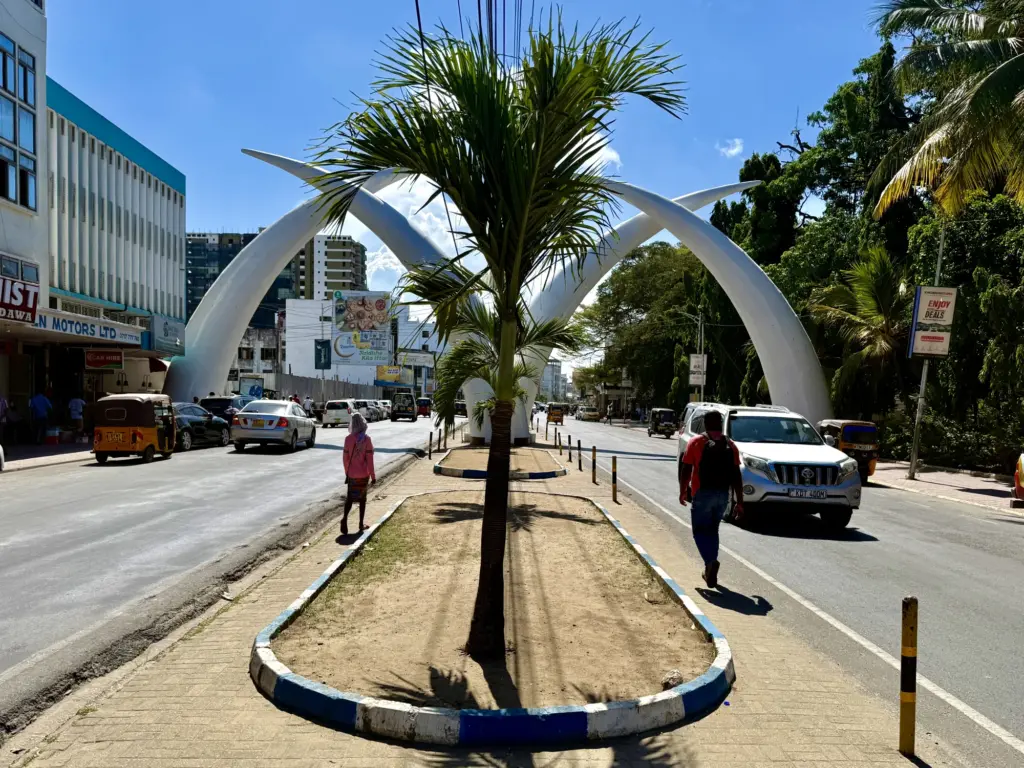
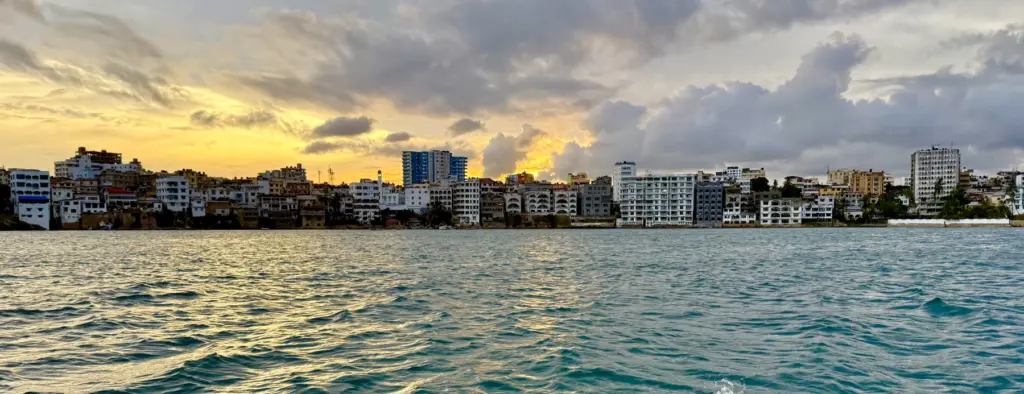
The early trips were backpacks, matatus, and planning so loose it barely qualified as planning. Later came flights, road trips, and something closer to adult logistics. I still have not taken the SGR, which by now is less a travel choice and more an administrative flaw in my Kenya history.
Over the years I’ve done the beach side, the town side, the hotel side, the restaurant side, and the staying-out-later-than-planned side. Enough of all of it to know Mombasa was never just a handover point between airport and ocean.
What you’ll find here
Old Town
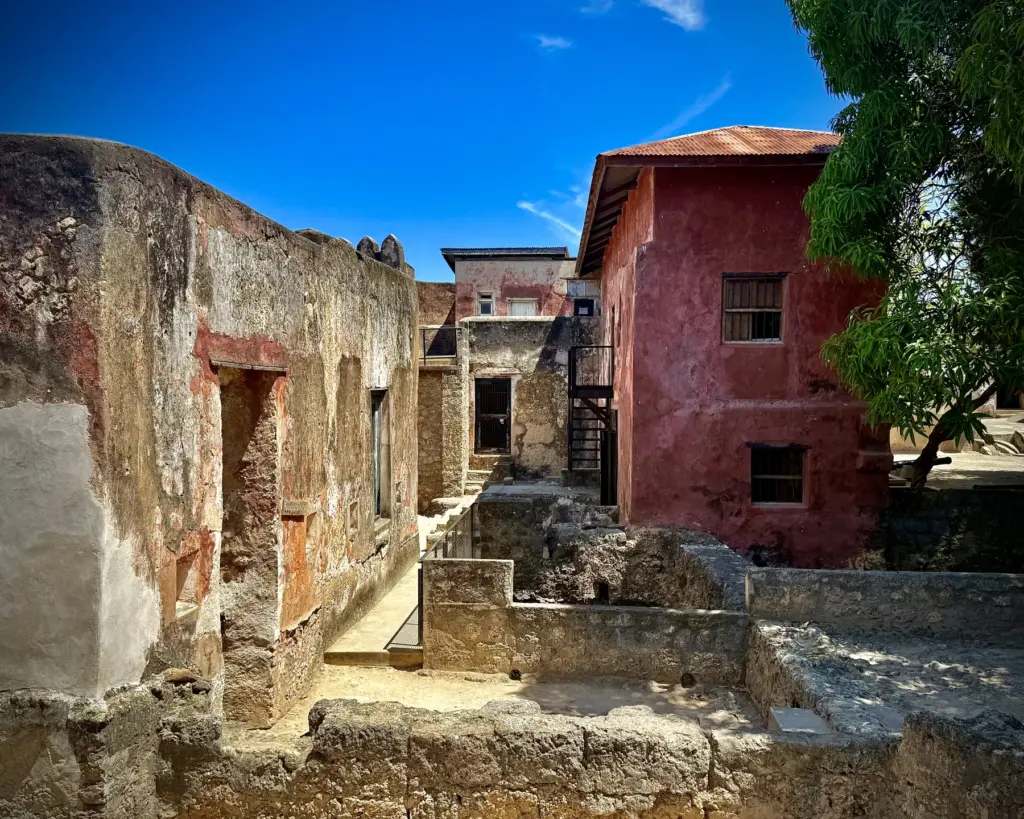
I keep making time for Old Town. Not on every trip, but often enough. I like walking there. Coral stone. Heavy doors. Balconies, arches, carved details, and that layered coastal mix of Swahili, Arab, Indian, and colonial architecture without anybody needing to label it for you. Heat in the walls. Salt in the air. Scooters forcing their way through spaces that should not really count as roads.
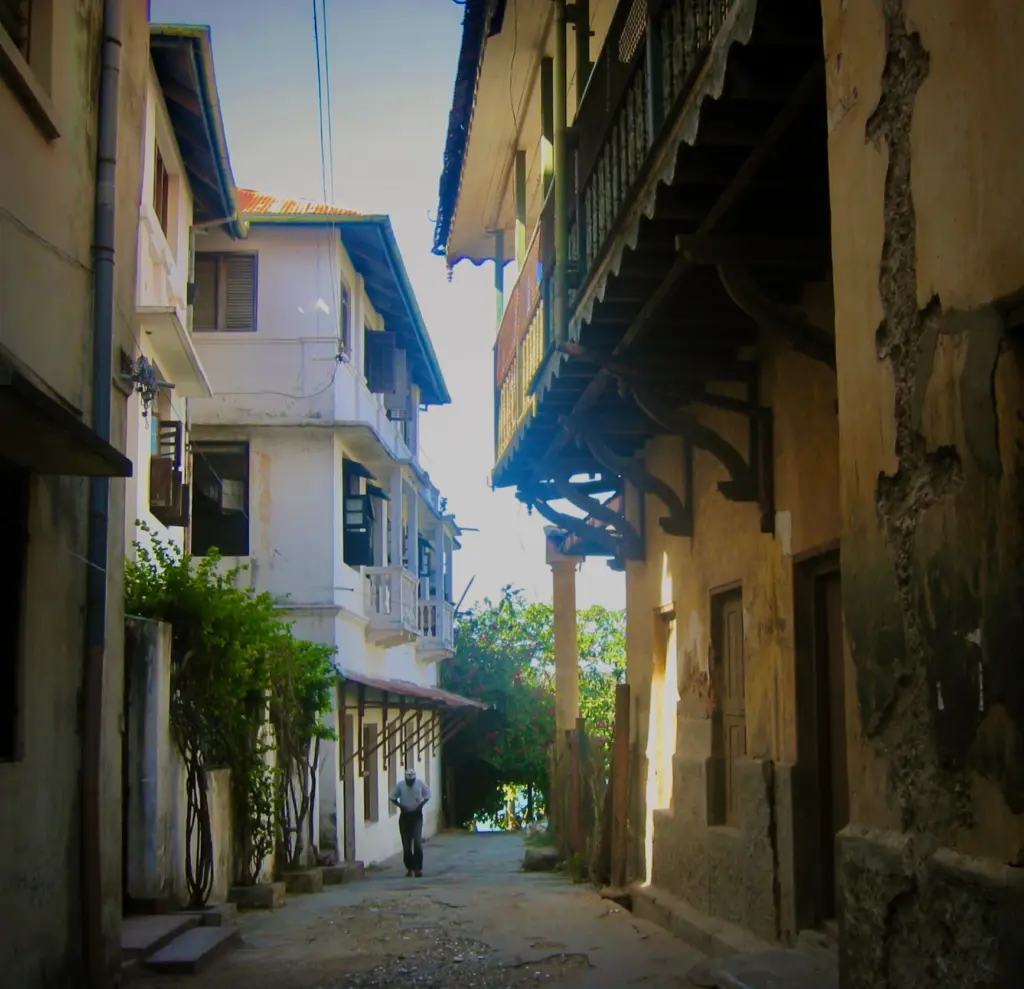
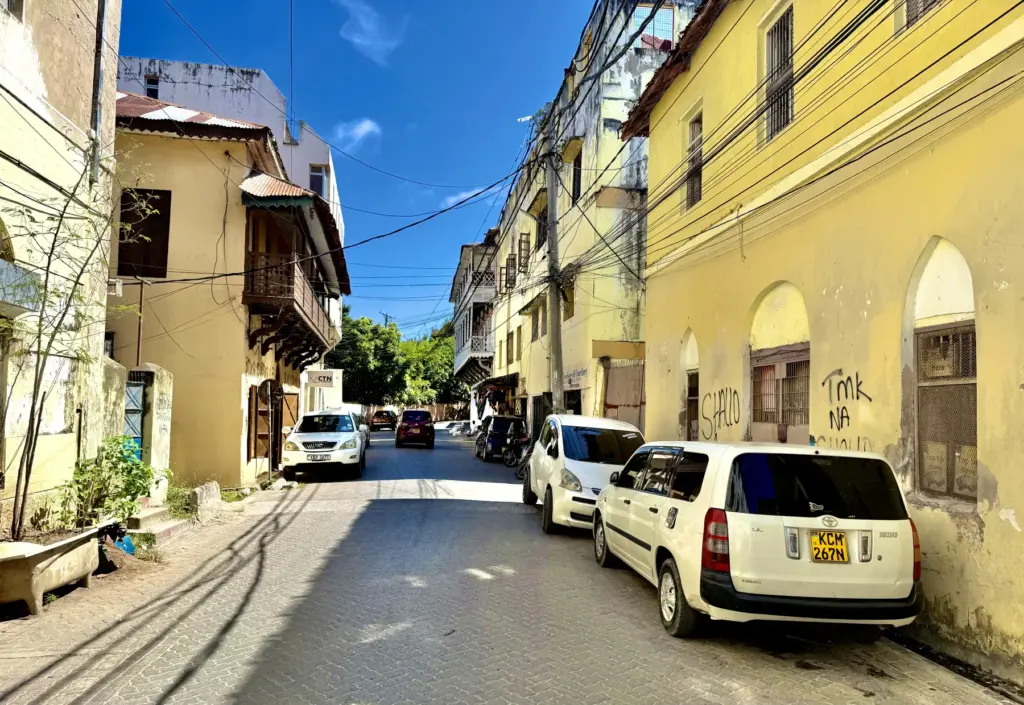
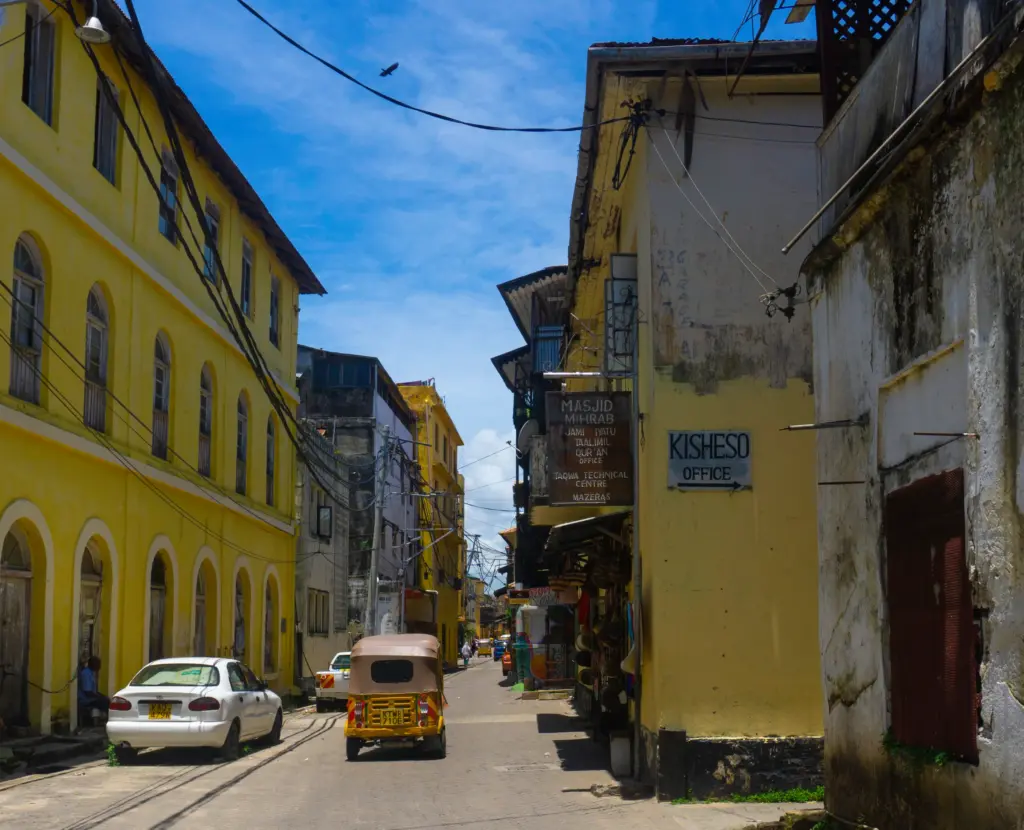
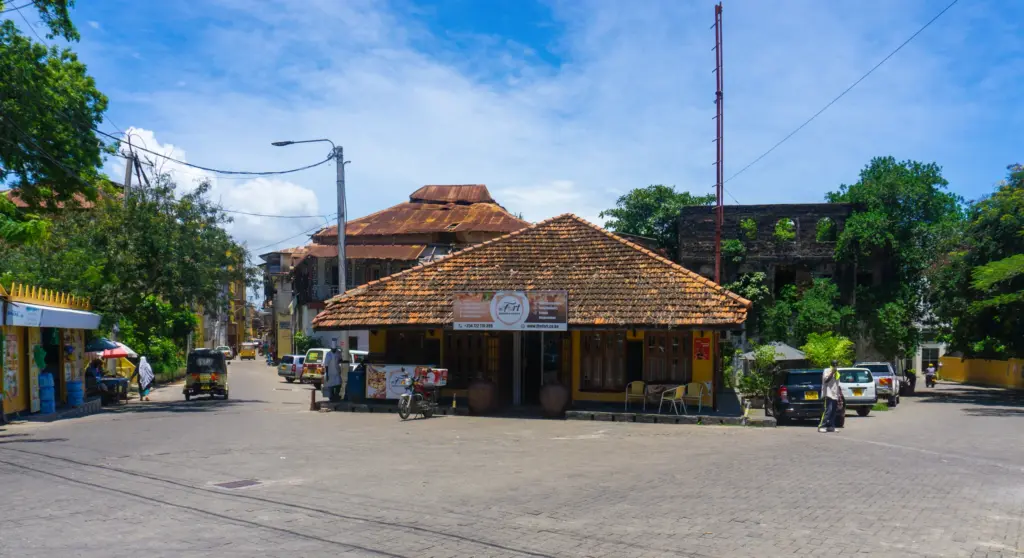
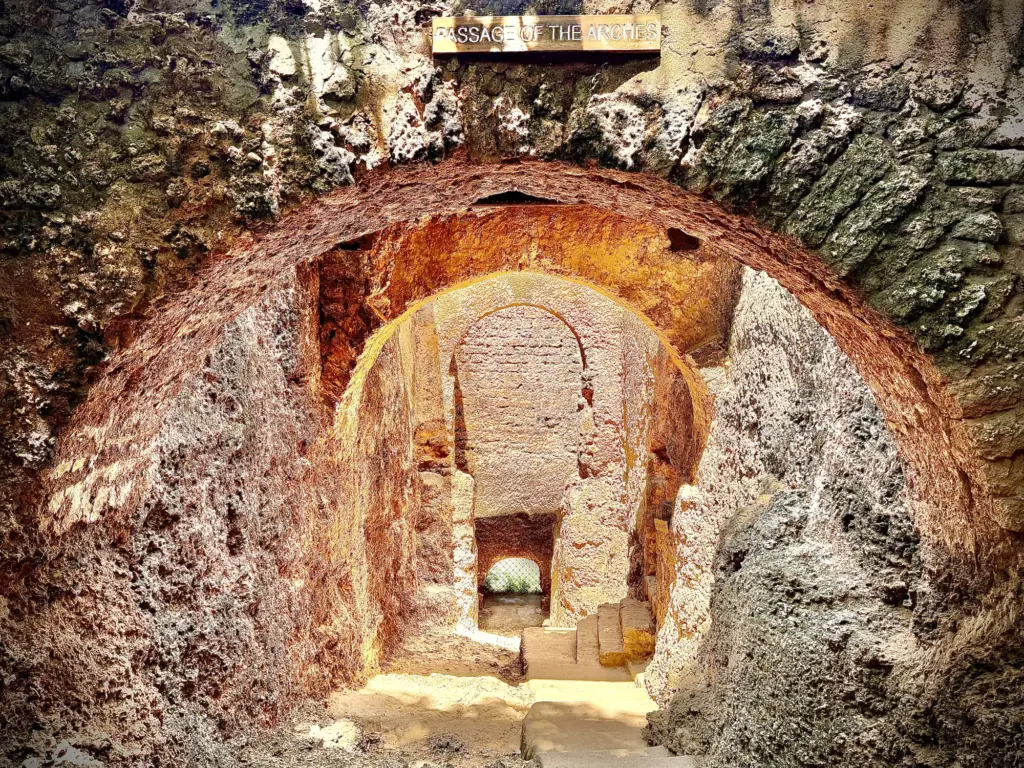
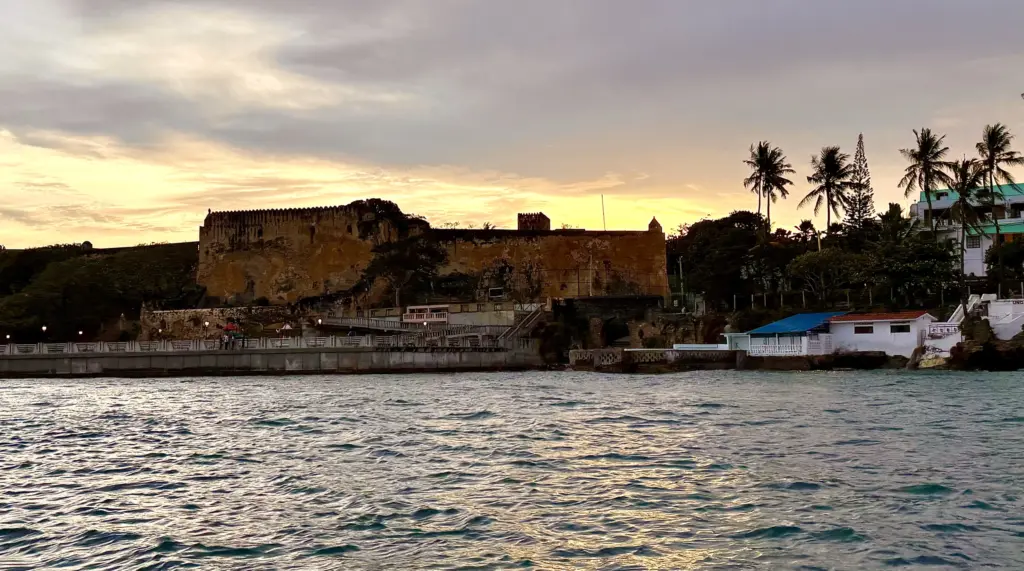
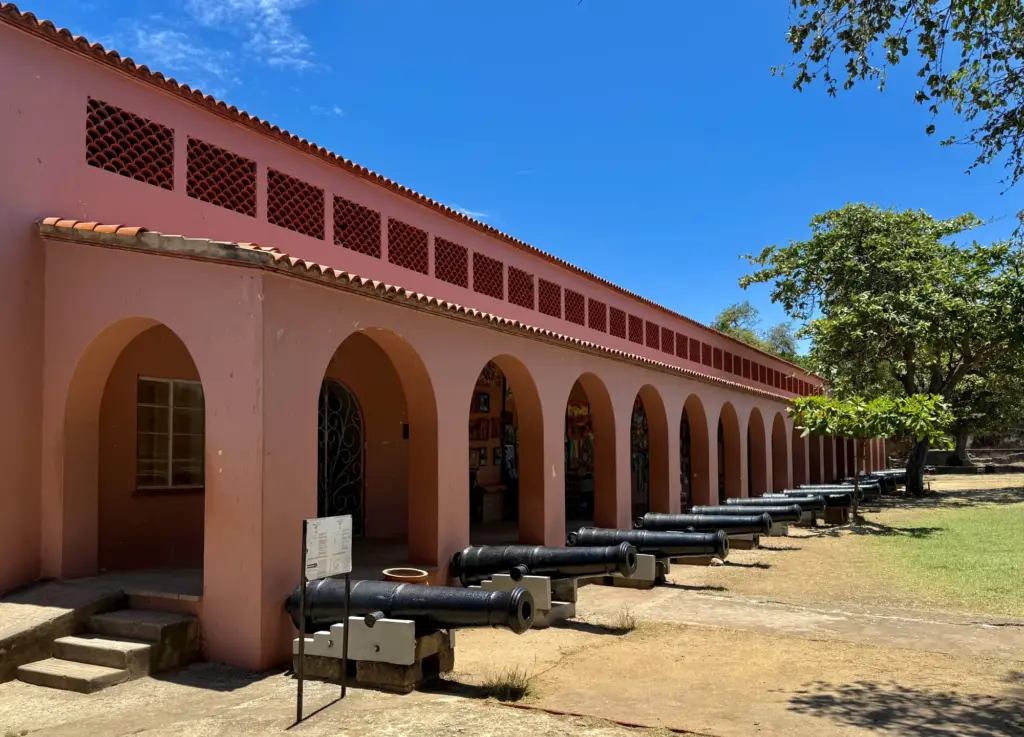
Fort Jesus is the blunt part of the story. Big, heavy, and built to control. A 16th century Portuguese fort planted above the harbour to dominate trade by force and make sure everybody understood who was trying to run the coast.
Old Town carries a different inheritance. Not military. Not imposed. Lived. Swahili. African, Arab, Persian, Indian, all worked into each other over centuries through trade, faith, language, architecture, and ordinary life. The fort is what imperial power looked like in stone. Old Town is what the coast kept building for itself anyway.
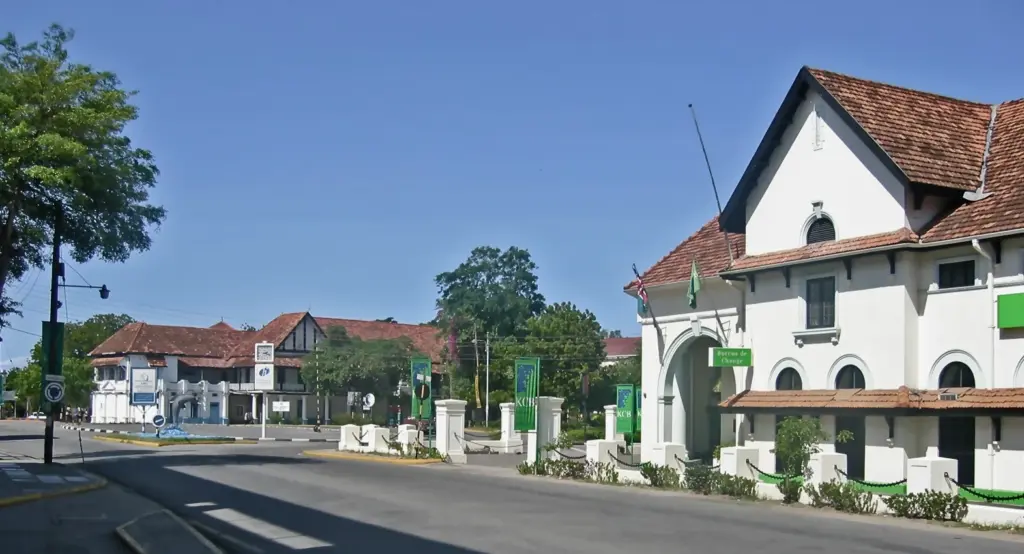
Right next to the fort, the old German colonial buildings add yet another reminder of how badly Mombasa was wanted. Different empire, same conclusion. This place mattered. Too strategic, too connected, too commercially useful to be left alone. You do not get that many colonial fingerprints packed into one corner unless a town was seriously worth fighting over.
And Mombasa only really makes sense when you place it in the longer coastal chain. Sofala. Kilwa. Zanzibar. Malindi. Lamu. A connected Swahili world facing the Indian Ocean, trading outward, taking in influence, and sending plenty back. Long before tourism turned the coast into room rates and sunset clichés, it was already part of something bigger, richer, and far more interesting.
A bit further north, around Mtwapa, the Jumba ruins stand as testimony to the same rich heritage. Less known than Fort Jesus, and usually left out of the standard Mombasa script, but impressive all the same. Another old Swahili settlement. Another reminder that this coast was full of towns that were all part of the Indian Ocean trade, not just one famous port doing all the work.
Bamburi, Nyali, and the beach chapter
Then there is the less historical side of Mombasa. The beach chapter. The salt-on-skin chapter. The chapter with lazy beach lunches where time disappears and the outside world suddenly matters a lot less.
Bamburi Beach
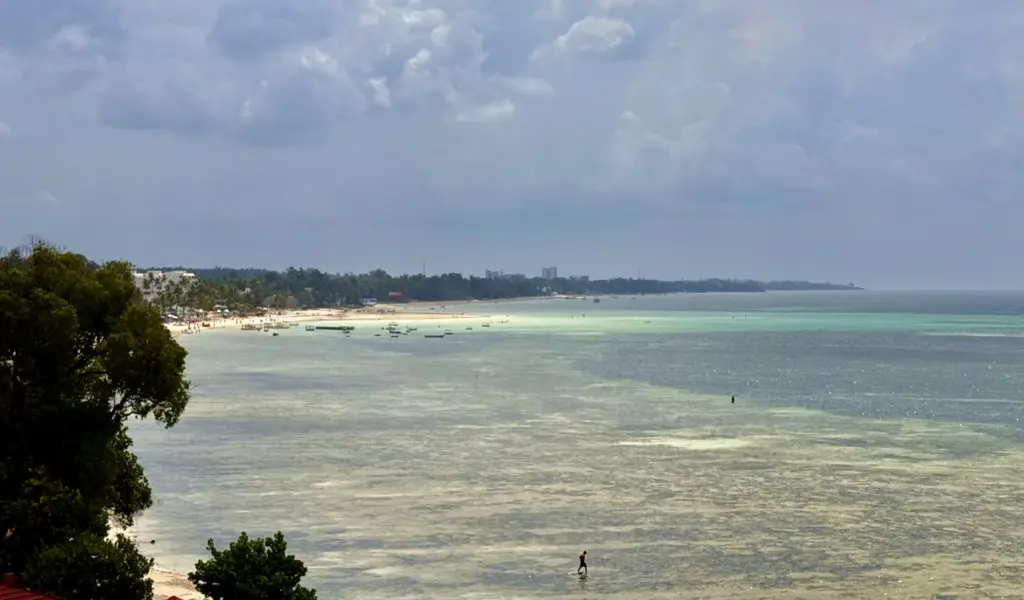
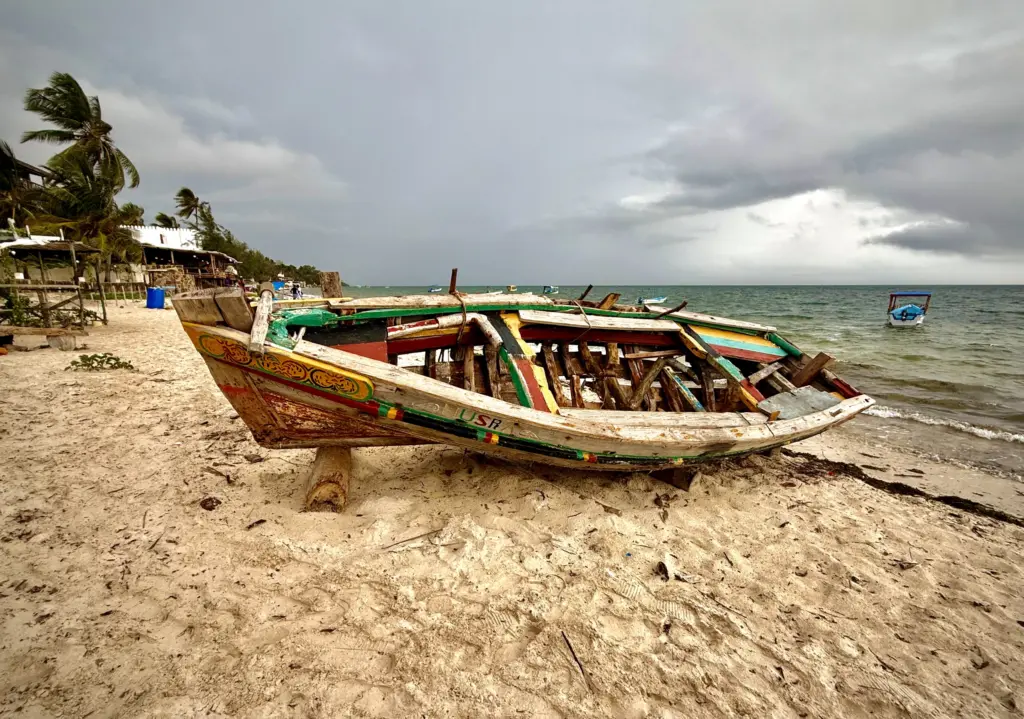
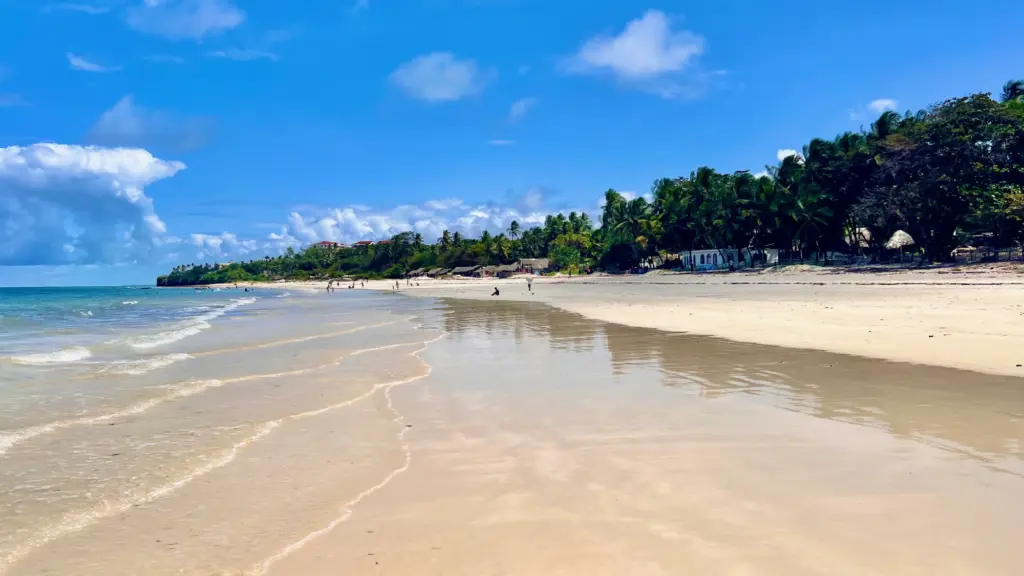
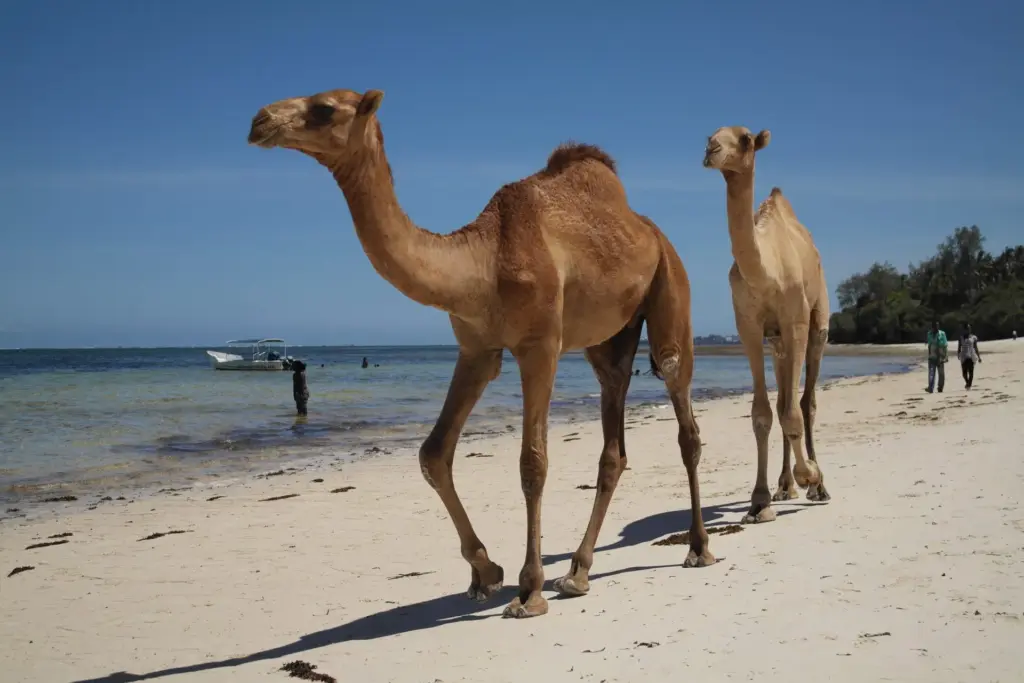
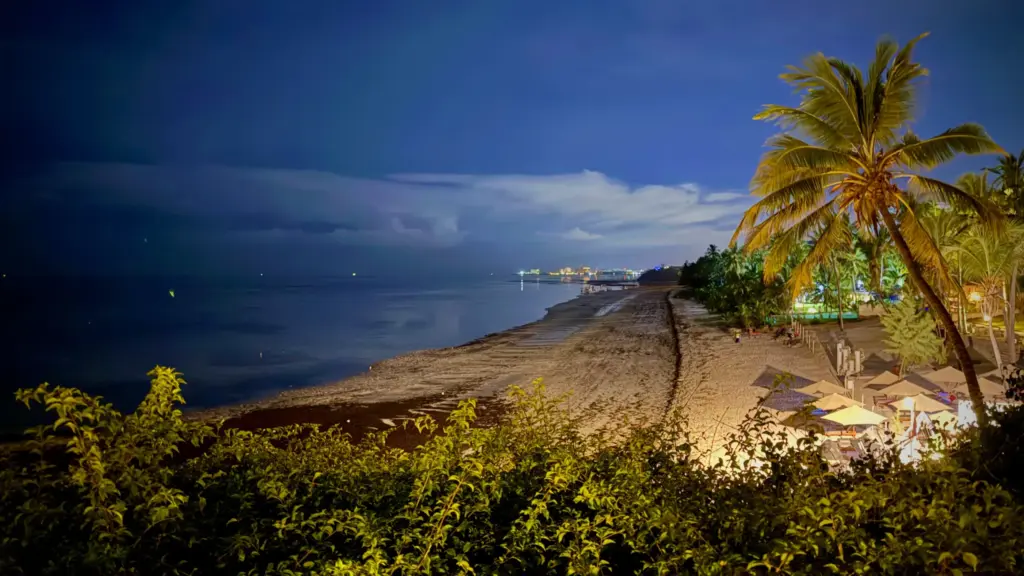
Bamburi belongs properly in that story. Busy, lively, crowded, and fully committed to being part of the Mombasa experience. Sarova Whitesands is one of the old legends there, and the whole stretch still carries that classic north-coast resort energy. Walk that beach and you get the full mix in one go. Beach bars. Restaurants. Curio sellers. Souvenir displays. Random offers. Passing chatter. Hotel frontage. People everywhere. Enough movement to remind you this coast was never built for quiet minimalism.
Dropping into places along Bamburi is part of it. So is just walking, looking, pausing, and letting the whole strip carry on around you.
And yes, some classics are still mandatory. Haller Park, for one. The butterfly pavilion too. Proper old-school Mombasa fixtures. Still worth doing.
Nyali Beach
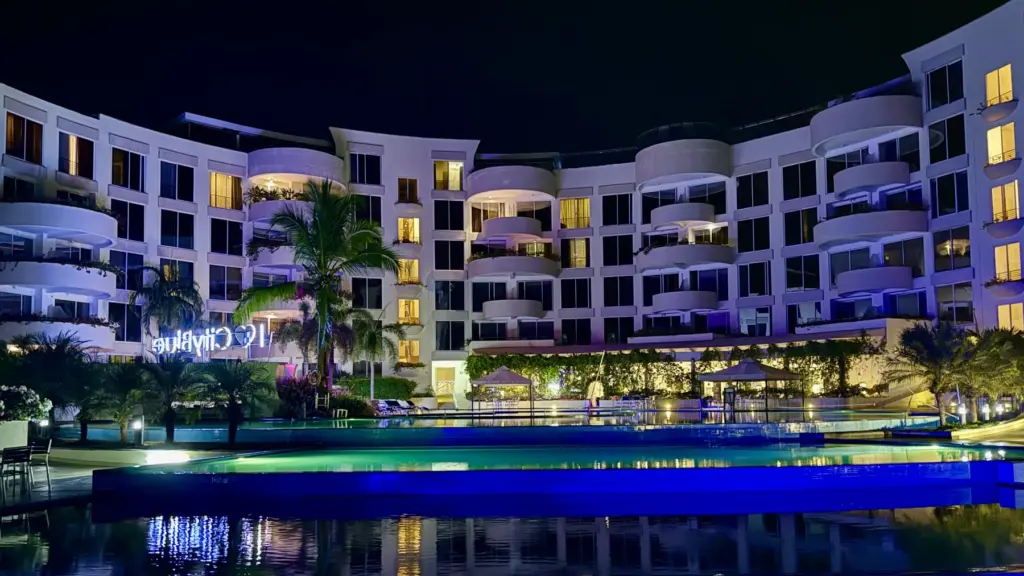
Head a bit south and Nyali changes the mood. Quieter than Bamburi. A little less pushy. Still lined with old coastal hotels and resorts carrying plenty of that 1960s and 1970s holiday inheritance.
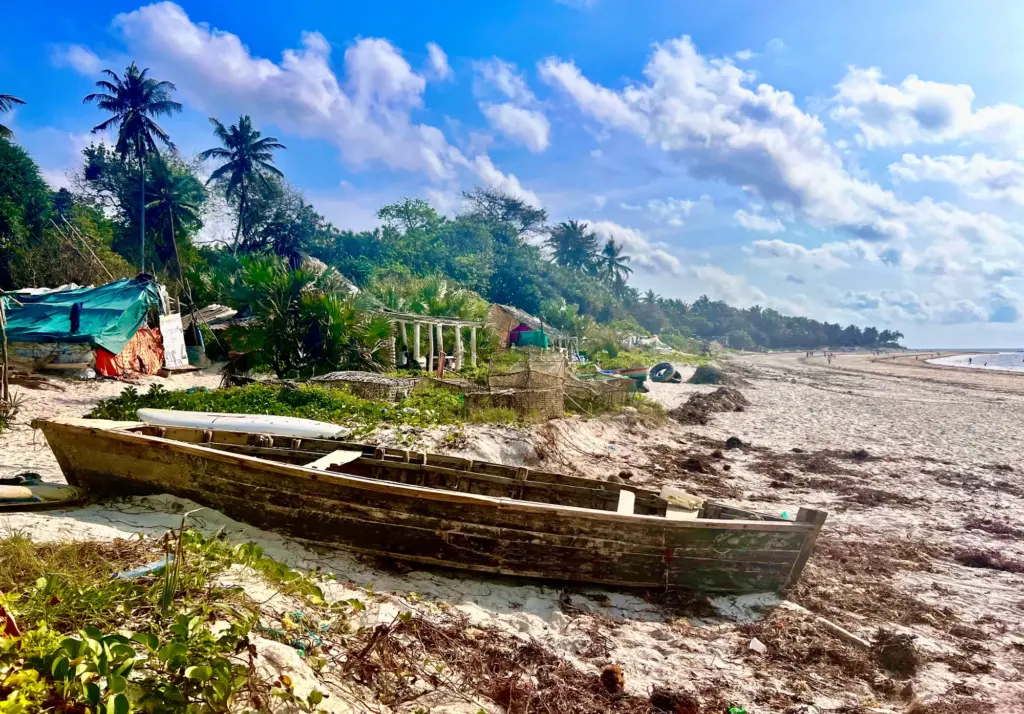
The southern end gets rougher in a way I still like. Small shops. Fishermen doing what they’ve been doing for generations. Proper local food places right on the beach. The sort of stretch that feels like a remnant of an older coast that is disappearing faster than it should. Best enjoyed while it still has some room left before bigger new beach developments squeeze more of it out.
Shanzu Beach
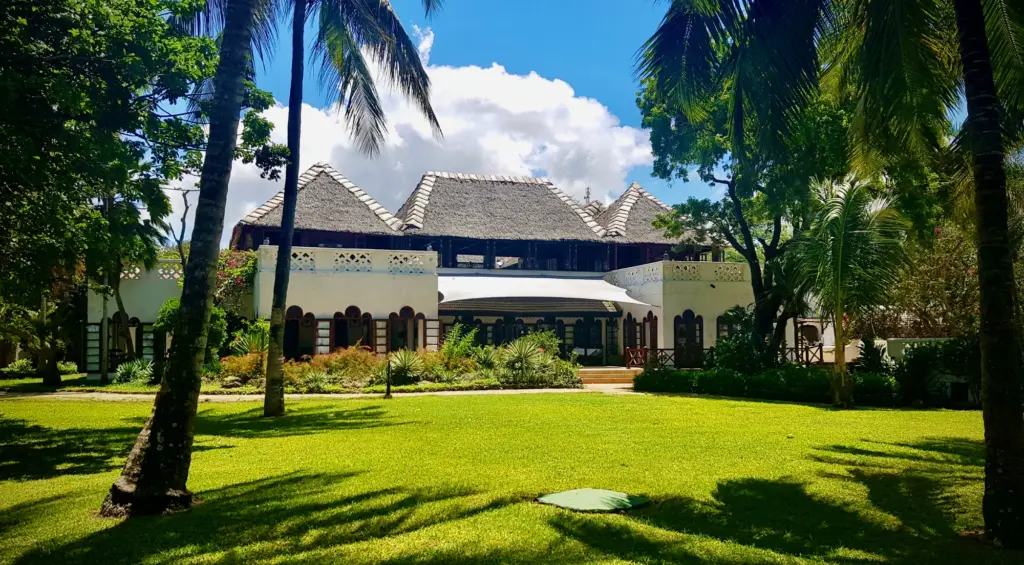
Further north, Shanzu takes things down a notch. More space. More breathing room. Less beach-strip theatre. Serena has long done that part of the coast beautifully, and PrideInn Flamingo and Kilua keep that northern stretch properly in play too.
Serena is still one of the class acts up there. Jahazi Grill gets close to fine dining by coast standards, and when they get the seafood right, it is honestly ridiculous. The kind of place where lunch quietly mutates into a much longer affair than originally planned.
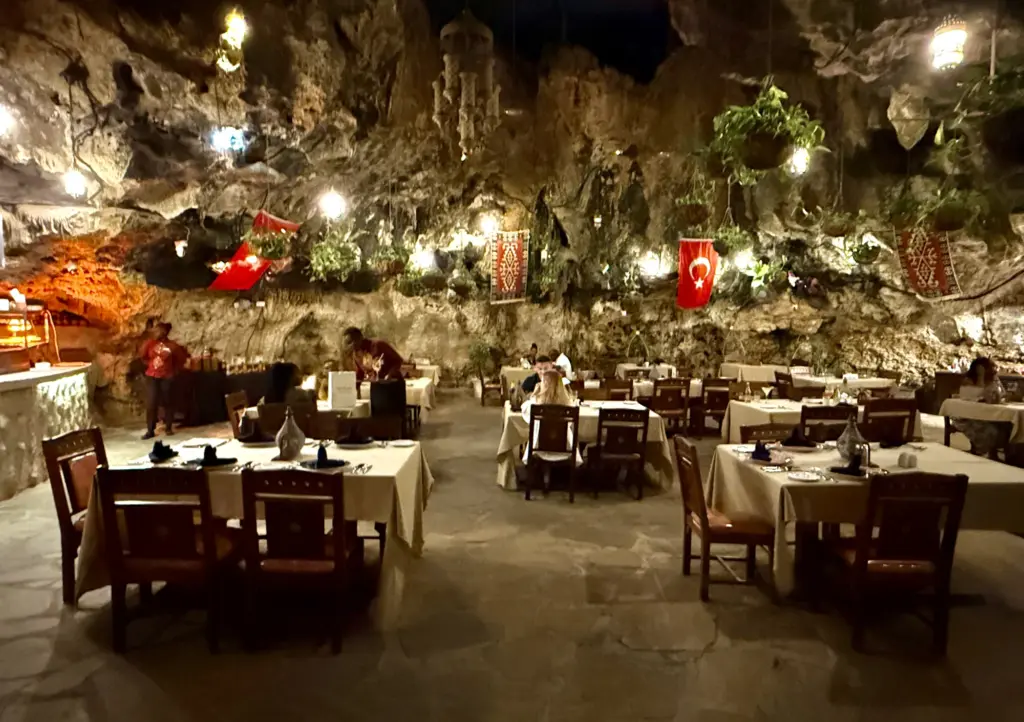
PrideInn Flamingo goes in a completely different direction with Istanbul Beach Cave Restaurant. Turkish food in a coral cave is not the most obvious Mombasa formula, which is partly why it works. Similar cave drama to Ali Barbour in Diani, just with Turkish food instead. The bar above has superb views too.
And then there is Sea Haven in the southern part of Shanzu. Another very solid argument for taking seafood seriously on this coast. Classy without overdoing itself, perched above the water with a cliffside view, and the oysters alone are reason enough to show up hungry.
Speed, water, and epic sunset
Jet skiing belongs on this coast. Fast enough to feel good. Choppy enough to stop you getting too pleased with yourself. You can feel briefly heroic out there as you bounce on top of the very gentle waves, if you can even call them that.
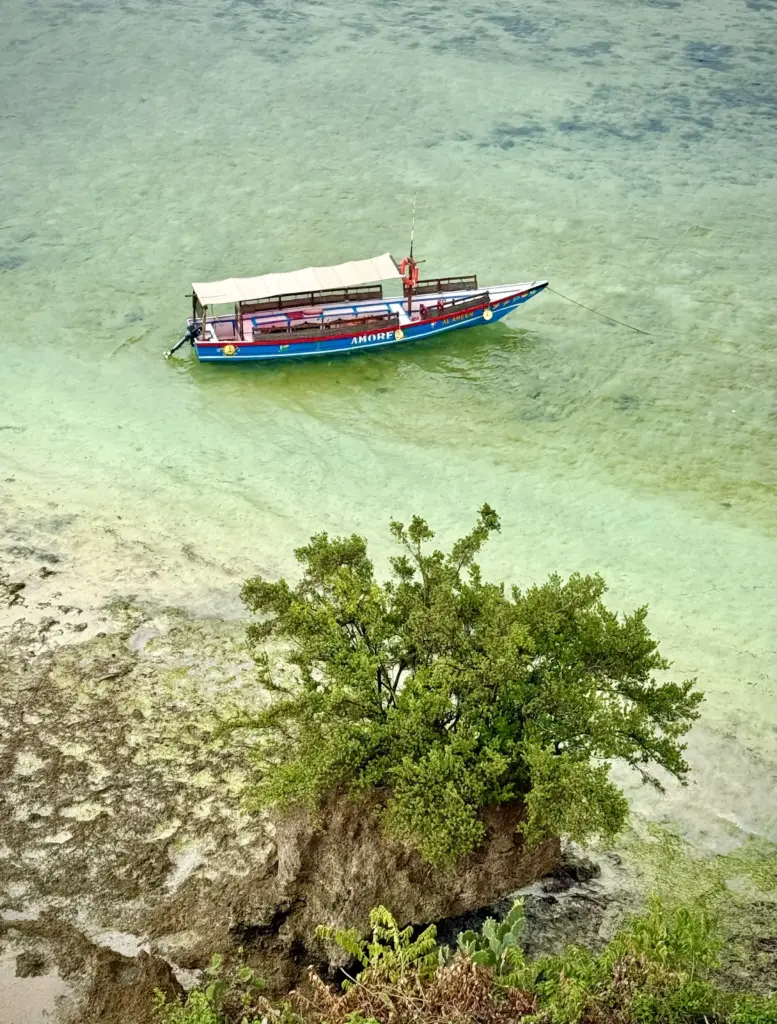
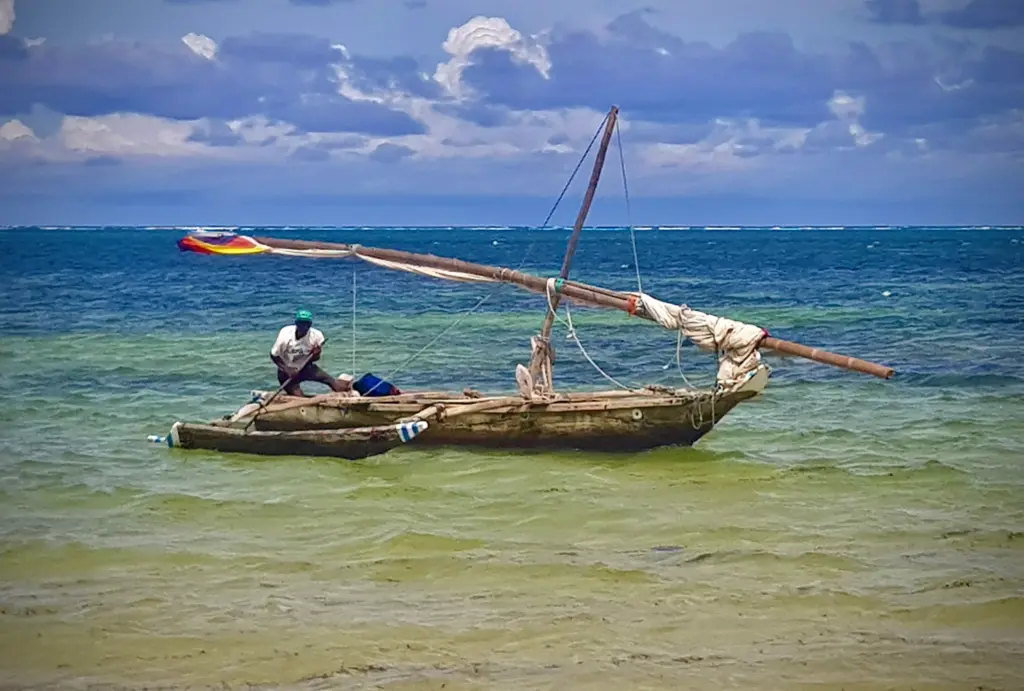
Sunset boat cruises are also very much part of it, which is mildly annoying because they sound like the sort of thing I should dislike on principle. But once you are out on the water and the light starts dropping, you can’t help enjoying it. From the boat, the shoreline falls back, the heat drops a notch, and the city noise starts to fade. Add a dhow dinner and the argument is basically over. Timber. Breeze. Seafood. Low light. Dark water. Job done.
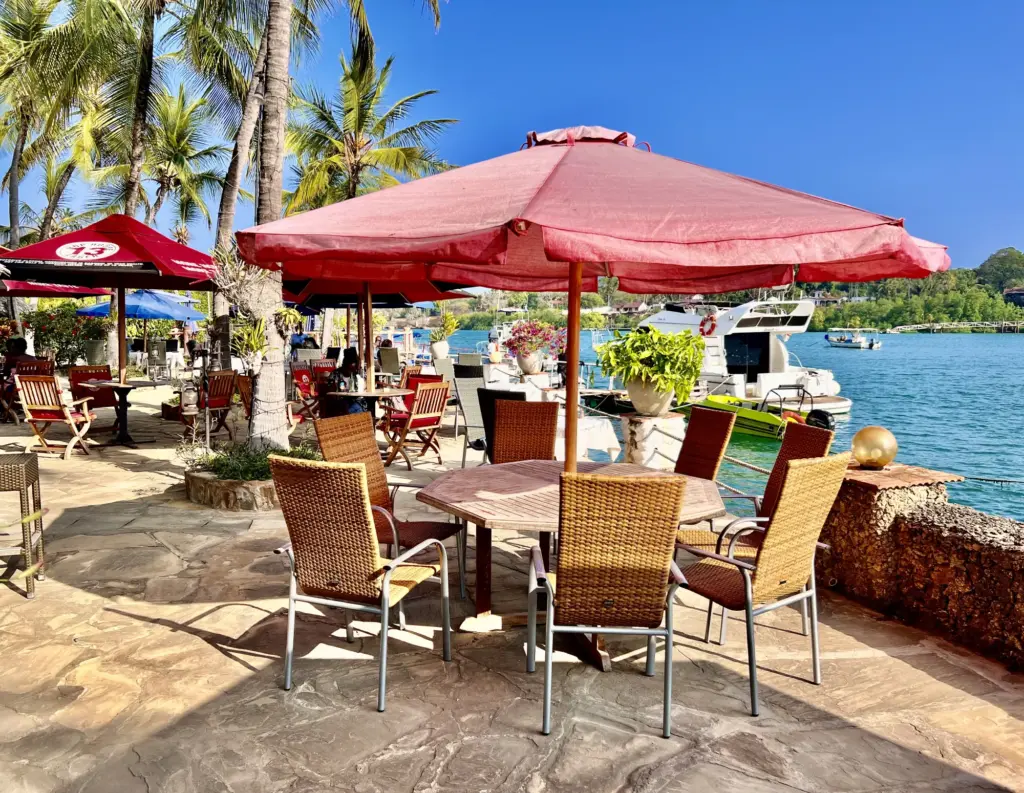
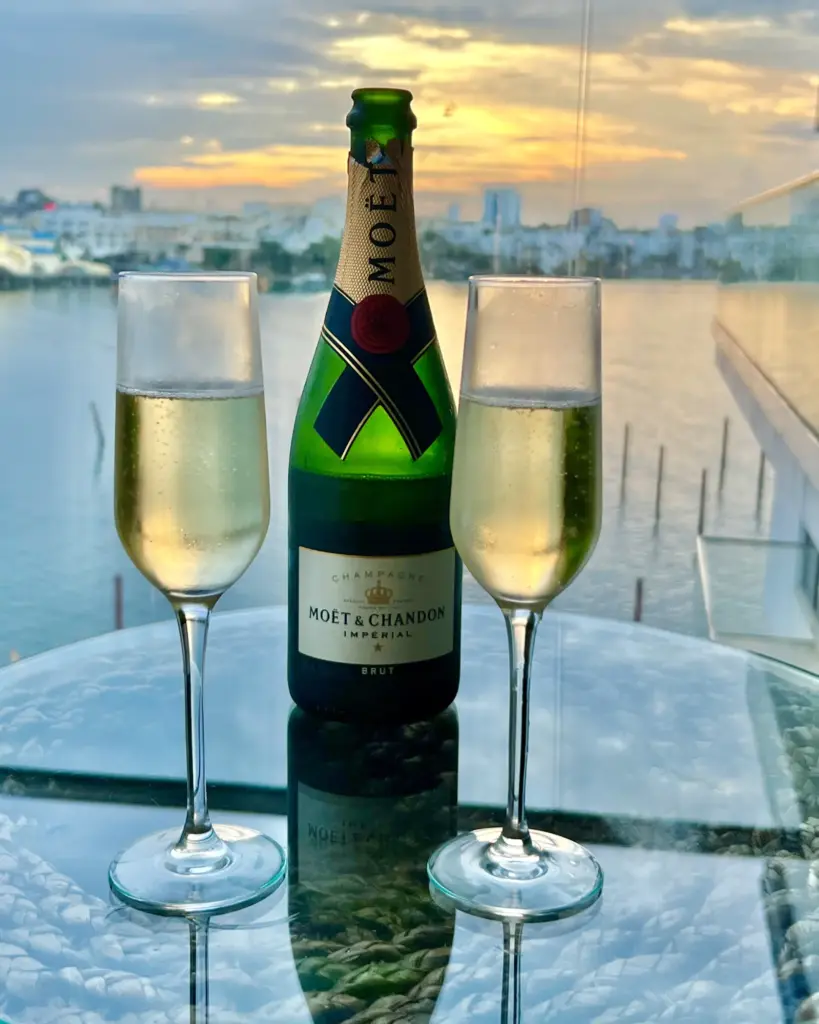
Mtwapa Creek has its own version of that. Sunset at Moorings, or at Marina if you want the slightly more polished version of the same setting, with a glass of bubbly, can improve a day very quickly.
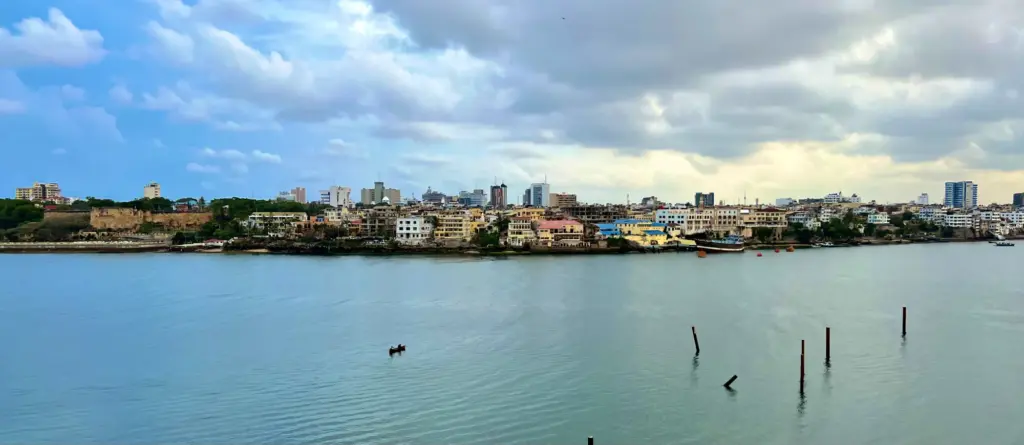
English Point Marina takes that polished version a step further. Modern marina, neat little restaurants by the water, classy hotel apartments above, and one of the better views back across the creek toward Old Town and Fort Jesus. It lacks personality, if we are being honest, but makes up for it with style and elegance. Sundowners there should still be on the checklist.
The places worth the bad road
One of the things I still like about the coast is that a few places with actual character have survived.
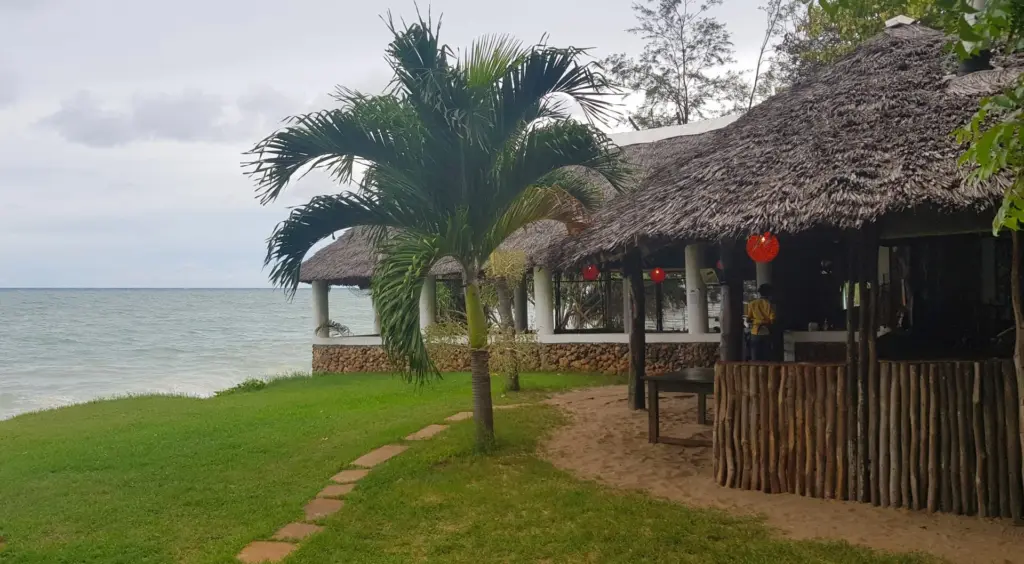
Not concepts. Not curated lifestyle venues. Actual places. Owners with a story. Staff who have been there long enough to remember earlier versions of the coast. Restaurants where the last stretch in is a dirt road rough enough to make you wonder how committed you really are to dinner.
Usually, committed enough.
Those are often the places that stay with me longest. Slightly hidden. Slightly inconvenient. Good food. Proper setting. A road in that gives your car a memorable beating. You arrive dusty, mildly doubtful, and then the place turns out to be exactly where you should have gone in the first place.
Mombasa being Mombasa
Some things have changed. The clubs are bigger and louder. Traffic is far worse. I still miss old Tembo.
Some parts have cleaned up, other parts not. Some parts look like they peaked in another decade and stayed that way.
I guess that goes for any big place with some history to its name. Every decade leaves a bit of a mark. For Mombasa, that’s a lot of decades.
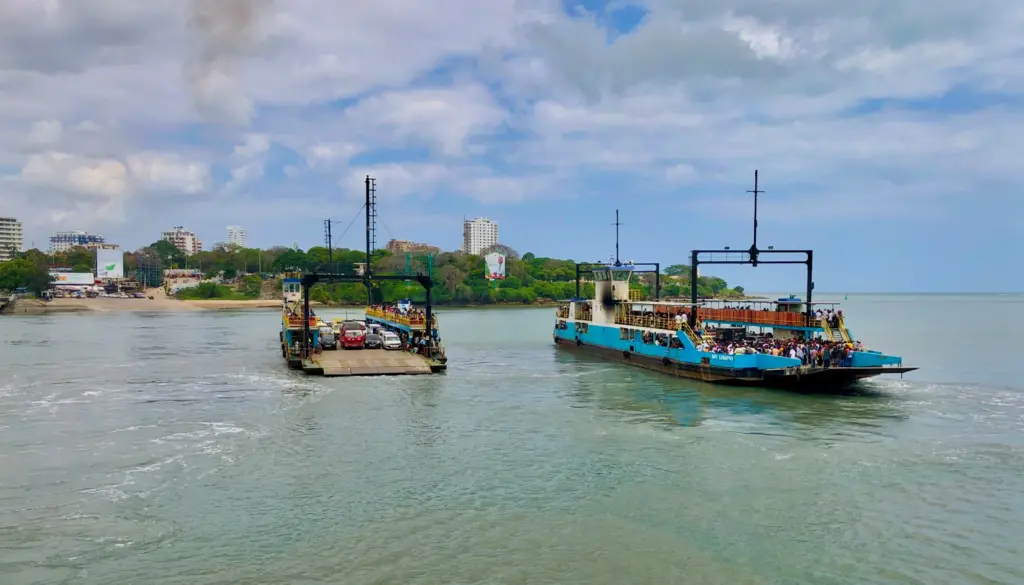
Ferry crossings. Heat. Congestion. Detours. Delays. The smell of street food. The noise of the city. The odd bit of madness. All the things that make Mombasa what it is.
What keeps bringing me back
By now I know Mombasa well enough not to pretend every return is some grand rediscovery.
I’m still glad to be back every time.
Old Town on foot. A very good seafood lunch. Bamburi in full swing. Haller Park, still there as ever. Mtwapa Creek in the evening light. English Point looking sharp across the water. A restaurant at the end of a bad road, fully worth the suspension damage. A bit of speed on the water. A dhow dinner that turns out better than expected. Again.
Mombasa is mix of experiences that grows on you. Return trips. Seafood. Old streets. Beach stretches. Creek evenings. Jetskis. Small detours you didn’t plan, but never regret.
I still haven’t taken the SGR.