My first time in Senegal was in 2018. Entirely work-related, but flying in, doing the meetings, and heading straight back to the airport was never really my style. Not if I could help it.
Most of the trip played out in Dakar. Traffic, sea air, murals, markets, roadside food, suited office people, noise, heat, and the Atlantic never too far away. Did I forget to mention seafood? It’s a fast, busy city, with enough going on inside it to justify more than just work meetings and hotel lobbies. A solid place to begin, in other words.

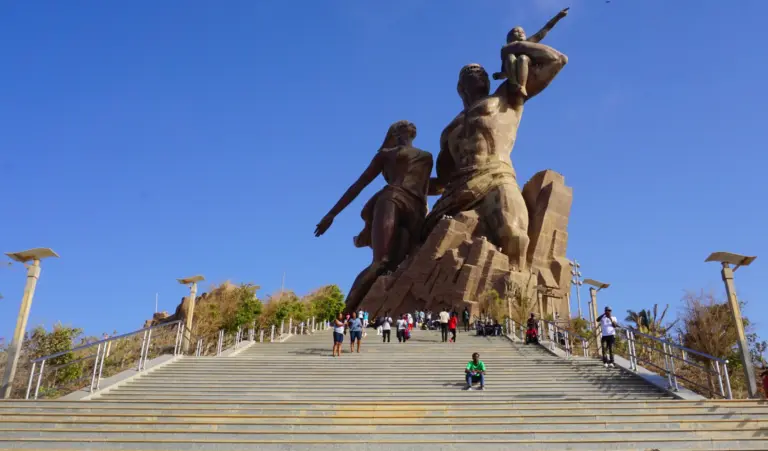
Perhaps the most iconic landmark in Dakar is the African Renaissance Monument, a giant 52-meter statue that seems to keep turning up across the city skyline. Built as one of former president Abdoulaye Wade’s big prestige projects, it has never exactly been free of controversy. The involvement of North Korea’s Mansudae Overseas Projects also helps explain that very particular monumental style.
One of the more memorable incidental early-evening detours was the search for the westernmost point on mainland Africa at Pointe des Almadies. You would think a place like that might be made a bit more obvious. Not this one. A colleague took me on a long stroll through a beach restaurant, along stretches of sand, and into the compound of a closed-down tourist hotel under renovation. Somewhere in there, we finally stood at the point itself. What should have been one of Dakar’s key tourist attractions certainly was not attracting any visitors at the time. Except those with an extreme explorer drive, that is.

That little detour actually said quite a lot about Dakar. Even a major landmark, the kind of place that should be an easy tourist draw and a ready-made Instagram stop, took some effort to reach. In most cities, something like that would be pushed right into your path and wrapped into the standard city pitch. Not Dakar.
Île de Gorée, both famous and infamous, came with a completely different mood. Getting there was a bit of a mess, but the sort that goes on the memories account rather than the complaints one. After about an hour and a half waiting in the sun at a harbour that had clearly seen better days, we finally boarded the boat.
The crossing from Dakar is short, but the shift is much bigger than that. Less noise. Less rush. Narrow lanes, old walls, quiet corners, and beautiful old buildings. On the surface, the island feels calm, almost gentle. Then the darker part catches up with you. Gorée was one of the points of no return in the Atlantic slave trade, where men and women captured in wars and local feuds further inland were sold to slave traders and loaded onto ships bound for the Americas. Once you are there, that history is impossible to push aside.
It also has another, very different layer. Many of the exterior scenes of The Guns of Navarone were shot here, with the dramatic cliffs adding yet another unexpected dimension to the place.
The island is also home to a visible Baye Fall presence, adding another strand to the atmosphere. Dreadlocks, patchwork colours, and a distinct musical identity make the Baye Fall hard to miss. These devotees use many of the recognisable Ethiopian-inspired colours and symbols also associated with Rastafarianism. Judging by the smell in a few corners, at least one well-known herbal companion also seemed fully woven into the atmosphere.


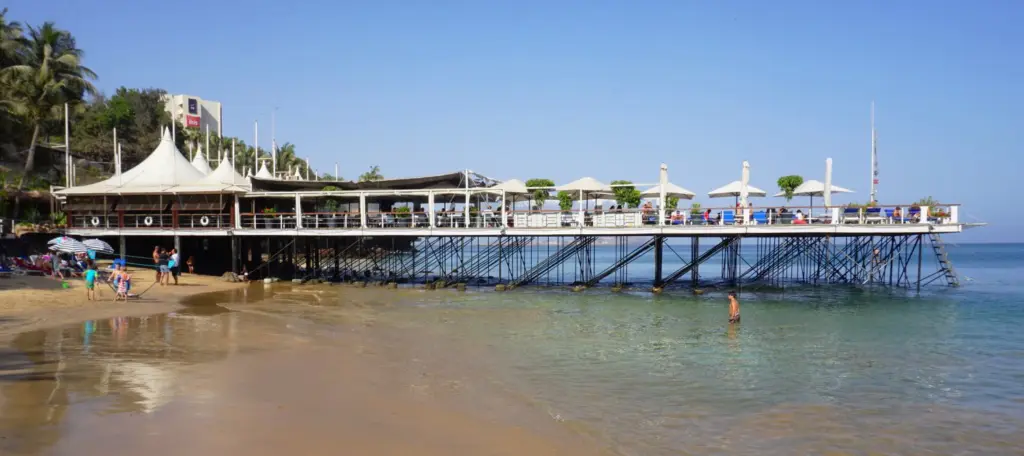
Saly was part of the same work trip, and that road trip out of Dakar was a welcome break from the capital. Saly is Senegal’s beach holiday zone, and it felt like it. After the meetings that had brought us there, we sat down at a classy beach restaurant, took in the beach atmosphere, and indulged in some delectable seafood with our toes in the sand. I had brought my swimwear for a reason, because I was not going to miss the chance if the opportunity showed up. It did. Jetskis were available, so yes, that part was handled properly.
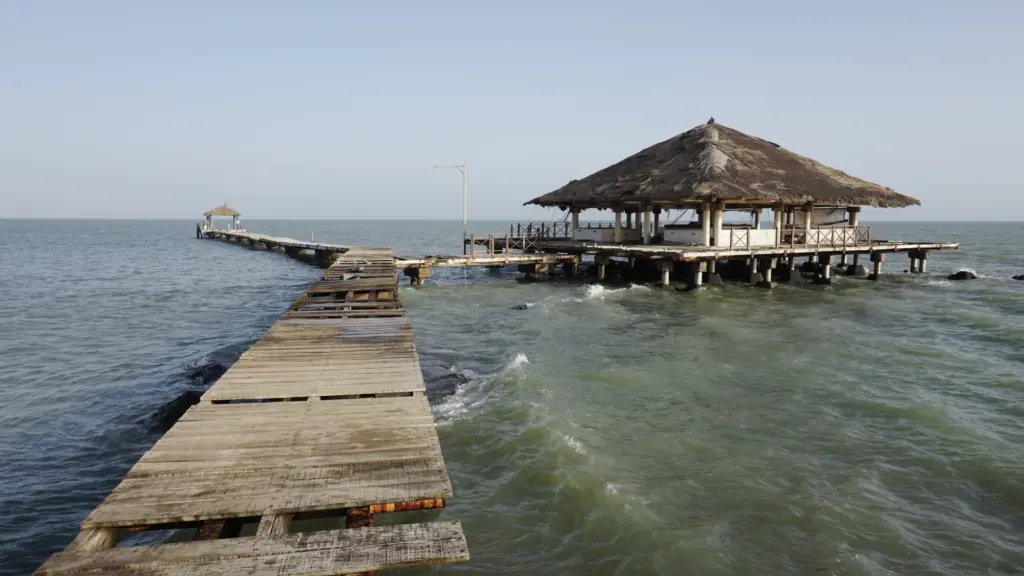
That mix is probably what stayed with me most from Senegal. Dakar had pace, pressure, edge, and constant motion. Gorée slowed the tempo and added weight. Saly offered sea breeze, beach mood, and a reminder that even work travel can occasionally behave itself and turn into something more enjoyable.
I did not see enough of Senegal on that visit. Not even close. But I saw enough to start making plans for the next one. Some of those plans are still on my list.