
Lake Naivasha is another place where I stopped counting visits a long time ago. Popular among Nairobians, it is close enough to be easy, far enough to feel like an exit, and familiar enough to keep returning to. Roughly 90 km from the city, it’s an hour away, or four, depending on traffic.
What You’ll Find Here
Lake Naivasha: One of Kenya’s Great Easy Escapes
Naivasha has been a default weekend run for Nairobians for decades. It’s an easy out-of-town that doesn’t take hours, unless traffic decides to act up.
Naivasha is in a convenient part of the Rift. Elementaita and Nakuru are nearby, but Naivasha gives you the broadest mix. Lakeside hotels, restaurants, boat trips, nearby parks, and enough add-ons to stop the area from getting repetitive. It’s also the biggest of the three. Along the eastern and southern shore, hotels stretch almost continuously by the water. Some are better than others, obviously, but there is enough range here for most people to find a version that suits them.
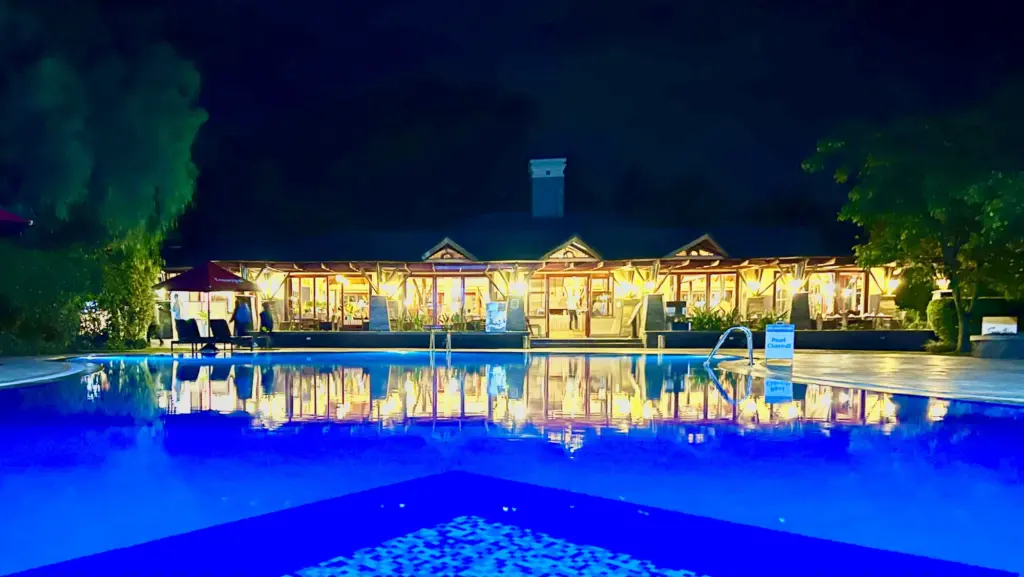
Enashipai is one of the names most people know. Big villas, plenty of space, decent food, and one of those places that can take both weekend escapes and conferences without too much confusion. Lake Naivasha Resort is another solid option if you want room to spread out and a very good pool and restaurant area facing the lake. It’s big enough that you actually walk a bit, which is probably for the best.
A lot of the hotels have decent restaurants, some more than decent. Still, the place I keep returning to is Ranch House Bistro by Lake Oloiden. Nice steaks. Good lake view. Big green lawn. That’s about what I need. Oloiden itself is worth keeping in mind too. Smaller, quieter, and a useful reminder that Naivasha comes in different shapes and flavours.


The main tourist activity on Lake Naivasha is still the boat trip. You typically start with birdlife first. Pelicans. Marabous. Fish eagles. Flamingos when conditions line up. Then on to the rest of the lake, with dead trees popping out of the water along the shores, and hippos appearing where you would rather not swim.
A fish eagle diving properly is still one of the better shots around here. I once did a Naivasha boat trip with an internationally acclaimed photographer carrying equipment worth north of EUR 50,000. He got the kind of eagle shots that made my own camera setup feel largely symbolic, but I learned a lot on that trip. Some of my best Naivasha pictures came from that day, which was not a coincidence.
Then there are the hippos. Big, round, and deeply misleading. From a distance they can look half asleep and not especially concerned with the world. That impression does not improve with proximity. Naivasha has plenty of them, and in the evenings they come right up to the shorelines and hotel grounds. That’s part of the thrill, and also why dark lawns near the water should not be treated as open invitations for a relaxed evening stroll.
Crescent Island is one of the standard Naivasha outings, and in this case standard is fine. It’s a private game sanctuary and one of the classic walking safari spots around the lake. Several walking trails. No predator animals. You get the close, ground-level wildlife experience without turning the whole thing into a major operation.
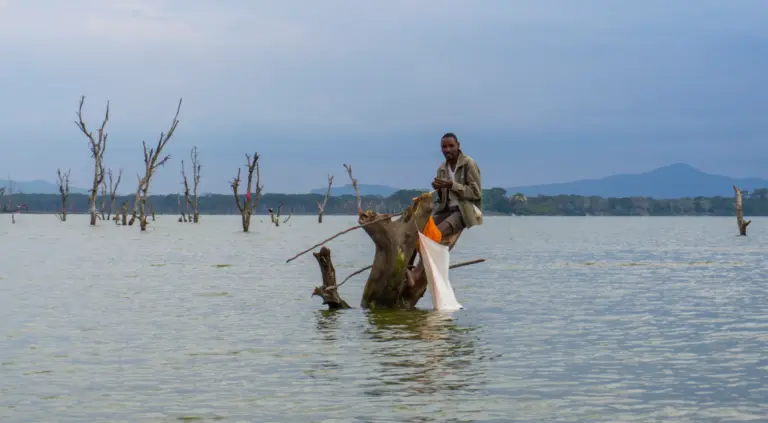
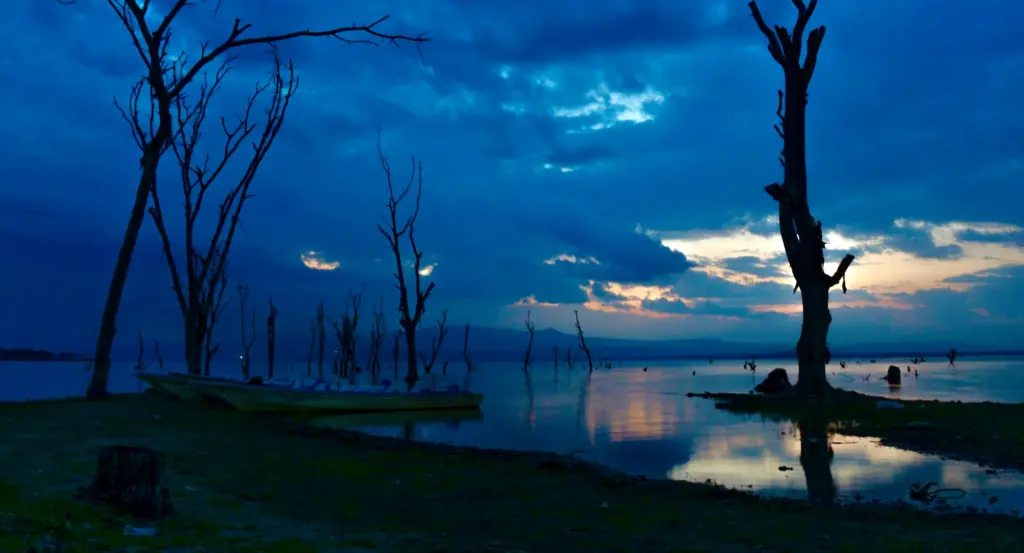
Just like nearby Lake Nakuru, Lake Naivasha looks different from a decade ago. Rising waters have reshaped parts of it since 2018, and the drowned trees have become one of its most recognizable features. In some places they stand half-dead or fully dead out in the water, and fishermen perched on them or working around them are now a normal sight. It gives parts of the lake a strange, ghosted look. Kenya’s own version of the Sri Lanka stilt fishers, just with more Rift Valley and less choreography.
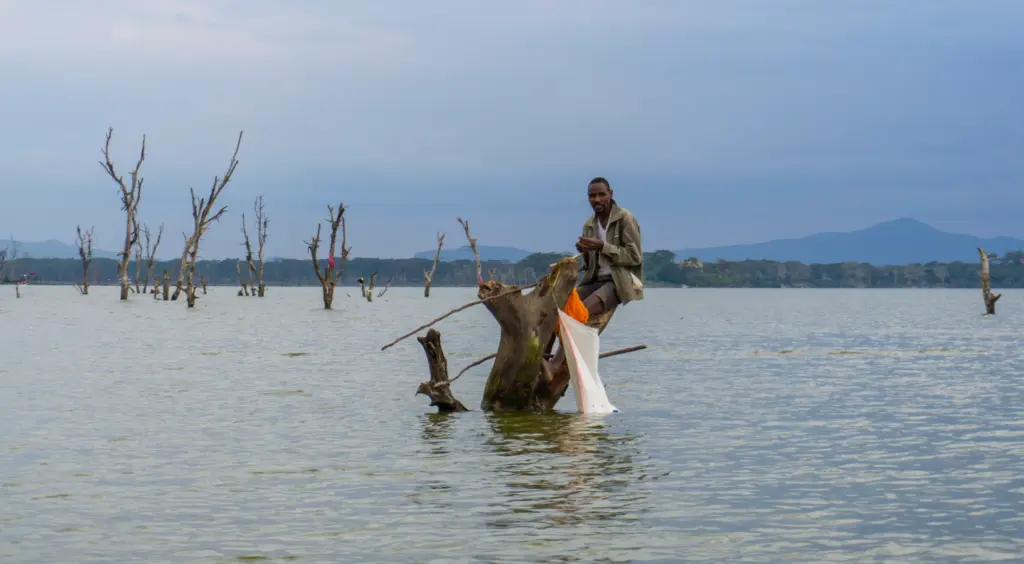
It also says something bigger. Those trees are not just scenic detail. Rising water has displaced communities and businesses, changed the lake edge, and altered parts of Naivasha. The beauty remains, though.
Hell’s Gate National Park
The other reason Naivasha keeps returning to the list is everything around it. Hell’s Gate National Park is the obvious one. It is one of the few parks in Kenya where walking and cycling are central to the experience, not just minor extras added for brochure purposes. That alone already gives it a different feel.
Then you add the rest. Rock formations. Open scenery. The gorge. Sulphur. Steam. Wildlife without the constant predator arithmetic. Fischer’s Tower near the entrance is the best-known landmark. Ol Basta is the other famous rock formation, and still sounds less like geology than a rapper who almost became famous.


The gorge is one of the best walks in the area when conditions are right. Narrow walls. Proper volcanic scenery. Hot springs and sulphur in the air. Spectacular when dry. Not the place to get casual when flooding is a possibility.
Hell’s Gate also comes with more film and pop-culture baggage than most parks. Key scenes in Tomb Raider were shot here. The scenery helped inspire parts of The Lion King. Much more recently, the video for Mwaki was shot here too. That one makes complete sense. The landscape already looks like it was built for drama.
Then there is the slightly odd but very Kenyan detail that one of the country’s main geothermal zones sits right there in the same area. You can go out looking for cliffs, gorges, and bicycle safari scenery and end up next to major renewable energy infrastructure. It should feel random. Somehow it doesn’t.
Crater Lake
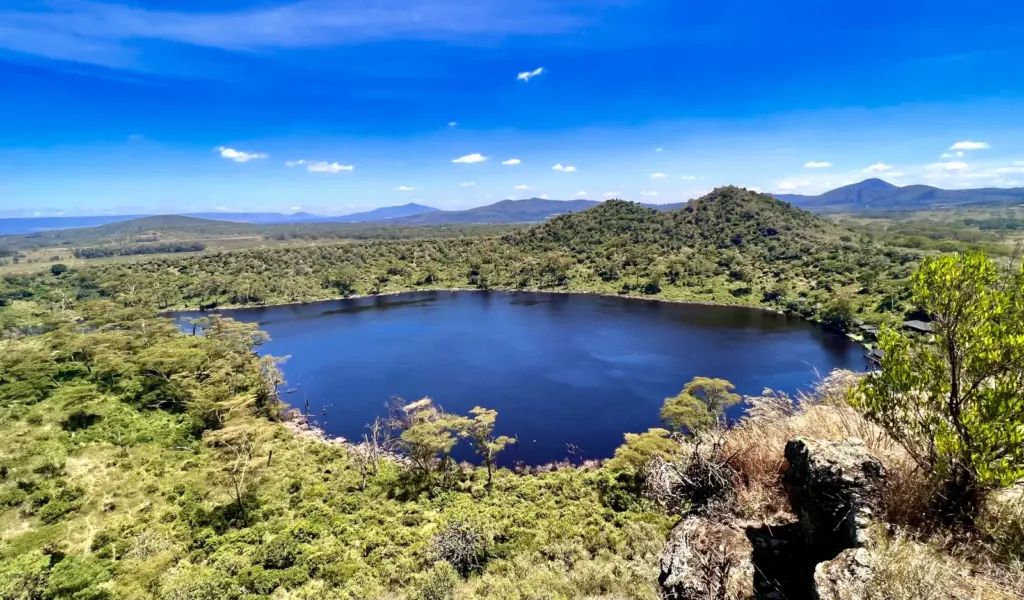
Crater Lake is another easy add-on. Pleasant walk along the rim. Good views. Lake in the middle. Floating restaurant on the water. Personally, I would still rather bring food or eat properly back by Lake Naivasha than gamble on the floating option.
Mount Longonot
Mount Longonot is the other big nearby draw, and these days it seems more popular than ever. The full hike up and around the crater is about 13.5 km, depending on how people count it, and usually takes around 3 to 6 hours depending on pace and fitness. The views are worth it. Into the crater. Across the Rift Valley. Over the wider landscape. Good exercise too, whether that was the plan or not.
Bring water. Bring sunscreen. Bring a cap. There is very little shade up there, and Longonot is not interested in helping. These days it is a straightforward hike if you come prepared. It did not always have that reputation.


That is probably why Naivasha stays in the rotation for me. It is not one thing. It is the boat rides, the birdlife, the hippos, the drowned trees, the hotel lawns, the nearby parks, the easy restaurants, and the fact that the whole area gives you options. You can do very little. You can do quite a lot. You can do both in the same weekend and still make it back to Nairobi feeling like you actually got out.
Some places are good once. Naivasha is built for repeat use. That is exactly what it has been for me.