
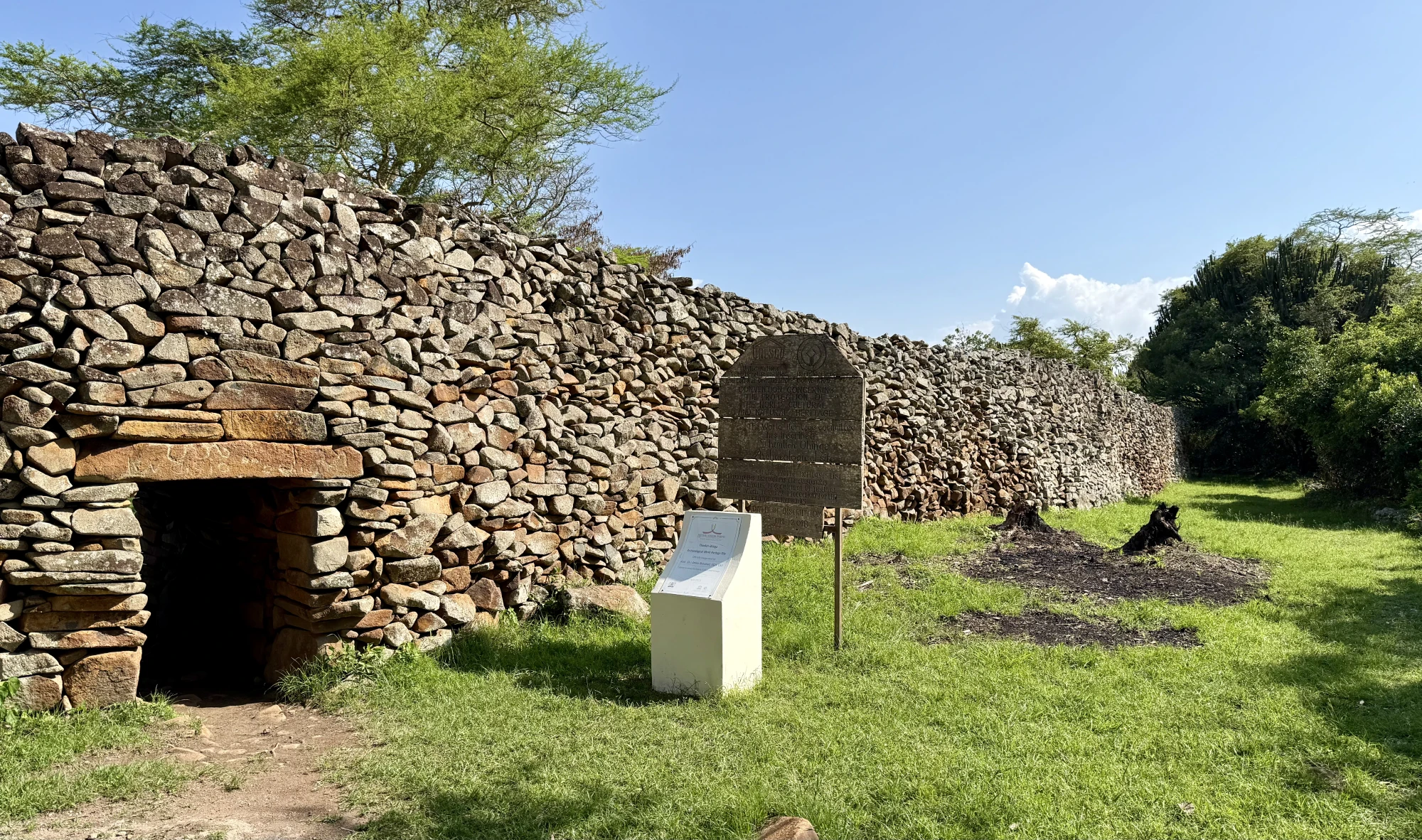
Back in 2004. Then again in 2024
I first came to Lake Nakuru in 2004. Then I was back in 2024 as the last stop on a Christmas road trip. That could have been the end of it, but the owner of Lake Nakuru Lodge invited me back, so a few weeks later I returned for another long weekend.
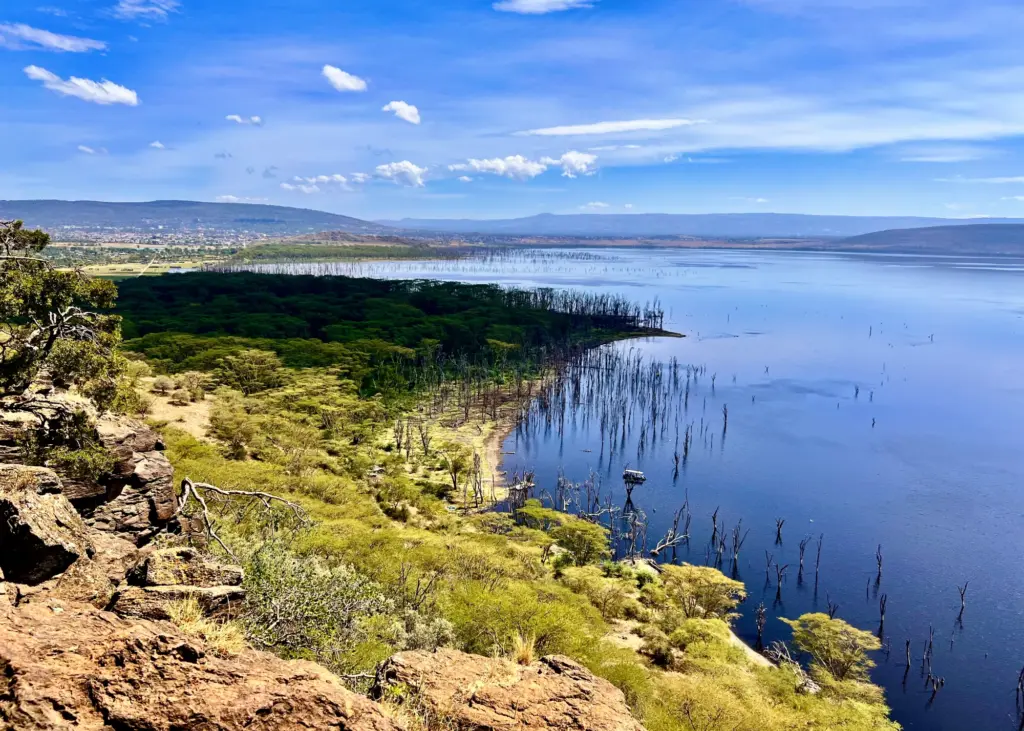
Lake Nakuru is an easy one to revisit. Just a short drive out of Nairobi, you are suddenly in Rift Valley country, with escarpment views, acacia woodland, rhinos, birdlife, and those hills with views that make you want to spend the rest of the day game driving to the remotest corners of the place. The park covers about 188 km², which is small enough to keep things efficient and big enough to give you proper variety.

The lodge story belongs here
Lake Nakuru Lodge is not just another safari place in a national park. It is the grand old classic of properties in Lake Nakuru. The story goes back to the old Nderit estate. “Nderit” is Maa for sweet water, and the estate sat in this Rift Valley stretch between Nakuru and Naivasha, with Lake Elementaita in the same wider corridor. The land was acquired by “Boy” Long and his wife Genesta in 1924.
Later, the core land was donated by the Britten-Long family to the colonial government in 1961 on condition that it remain a conservancy. It was gazetted as a national park and expanded in 1968. The old farmhouse still survives as part of Lake Nakuru Lodge. That makes the place stand out as something unique. Not just a part of the park, but the very origin of it. The farmhouse that defined what we know as Lake Nakuru National Park today. The newer properties cannot match that.
Small park, strong return

Lake Nakuru is one of the easiest parks in Kenya to get right. It is compact, manageable, and has everything in one place. Well, almost. The elephants keep it at a trunk’s length.
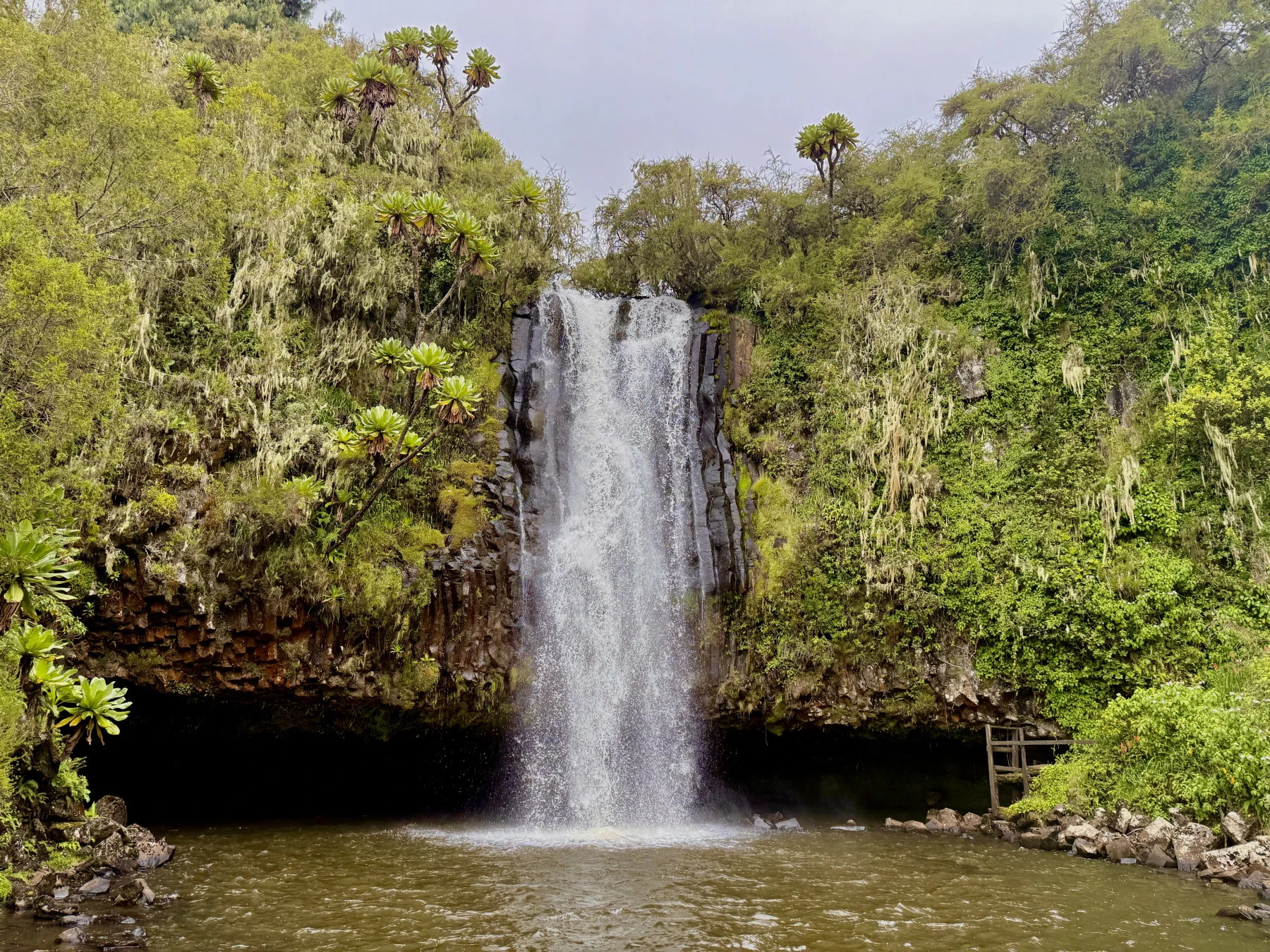
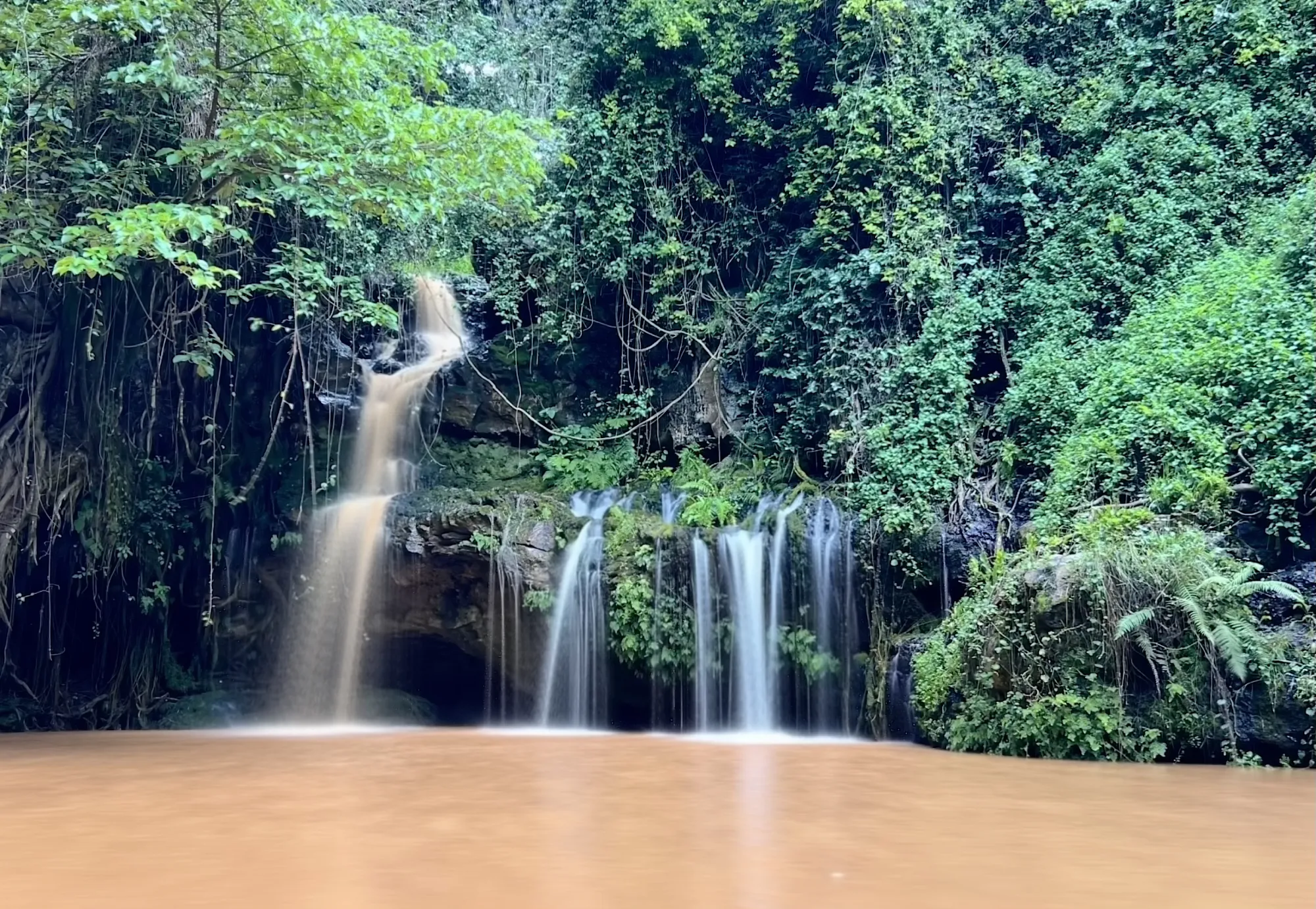
Rhinos are the obvious stars here, especially black rhinos, but there is plenty else moving around: white rhino, Rothschild’s giraffe, buffalo, lion, leopard, hyena, zebra, baboons, colobus monkeys, pelicans, flamingos, and more birdlife than most people will keep track of unless they arrive with a notebook and very serious binoculars. Baboon Cliff still gives you the big view, Lion Hill does its part, and Makalia Falls adds a different corner to the park.
What I like here is the payoff. You are not driving forever between sightings. You are not burning half the day just getting from one side of the park to the other. For a short wildlife trip, that matters.


The lake looks different now
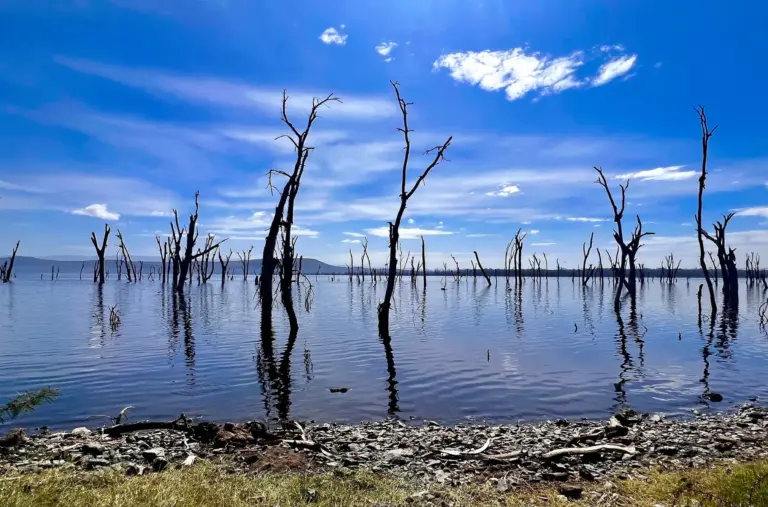
A lot of people still think of Lake Nakuru and go straight to flamingos. Fair enough. That image has been around for years. But the lake looks different now. Over the past decade, the water has come up by about 6.4 metres. That is a major shift. The lake has spread from roughly 43 km² to 68 km², which helps explain the flooded ground, the drowned trees, and why the shoreline now looks very different from the Nakuru many people still picture.
That change also shifts the whole feel of the place. The old pink-postcard version is no longer the full picture. The flamingos are still part of it, often in big numbers, but now they share the scene with dead trees standing in the water and parts of the park that look visibly rearranged.


Naivasha, Elementaita, and the wider Rift Valley run
Part of Nakuru’s appeal is where it sits. This is one of Kenya’s strongest weekend corridors. Lake Naivasha is part of the same mental map. Lake Elementaita too. The old Nderit story places this whole area in the Rift Valley belt between Nakuru and Naivasha, and that wider setting still comes through when you drive the route. You are not only heading to one park. You are moving through a very solid section of Kenya.
That is also why Nakuru never feels cut off. It fits naturally into a longer Rift Valley run, but it is also strong enough to carry a weekend on its own.
Still manageable. Maybe not forever.
Another thing in Nakuru’s favour is that it is rarely as crowded as a place this accessible could easily be. That may not last. With the parallel highway upgrades toward Naivasha and Mau Summit, Nakuru will become an even easier weekend move from Nairobi. And once that happens, more people will figure out the obvious.
It is close, scenic, wildlife-rich, and easy to do without turning the whole thing into a military exercise.


Why I keep coming back
Lake Nakuru is not just a flamingo stop, and it is not just a rhino park. The strength is the mix. Wildlife density. Birdlife. Rift Valley scenery. A lake that has changed a lot in recent years. And a lodge with actual roots in the story of the place.
I liked it in 2004. I liked it again in 2024. Then I went back a few weeks later, and it still held up.