




Ethiopia, So Far
My first trips to Ethiopia go back to 2004. I have been back a number of times since, but so far it still comes down to two places: Addis Ababa and Axum. For a country this large, this old, and this historically loaded, that is a narrow slice. Still, it is a strong one.
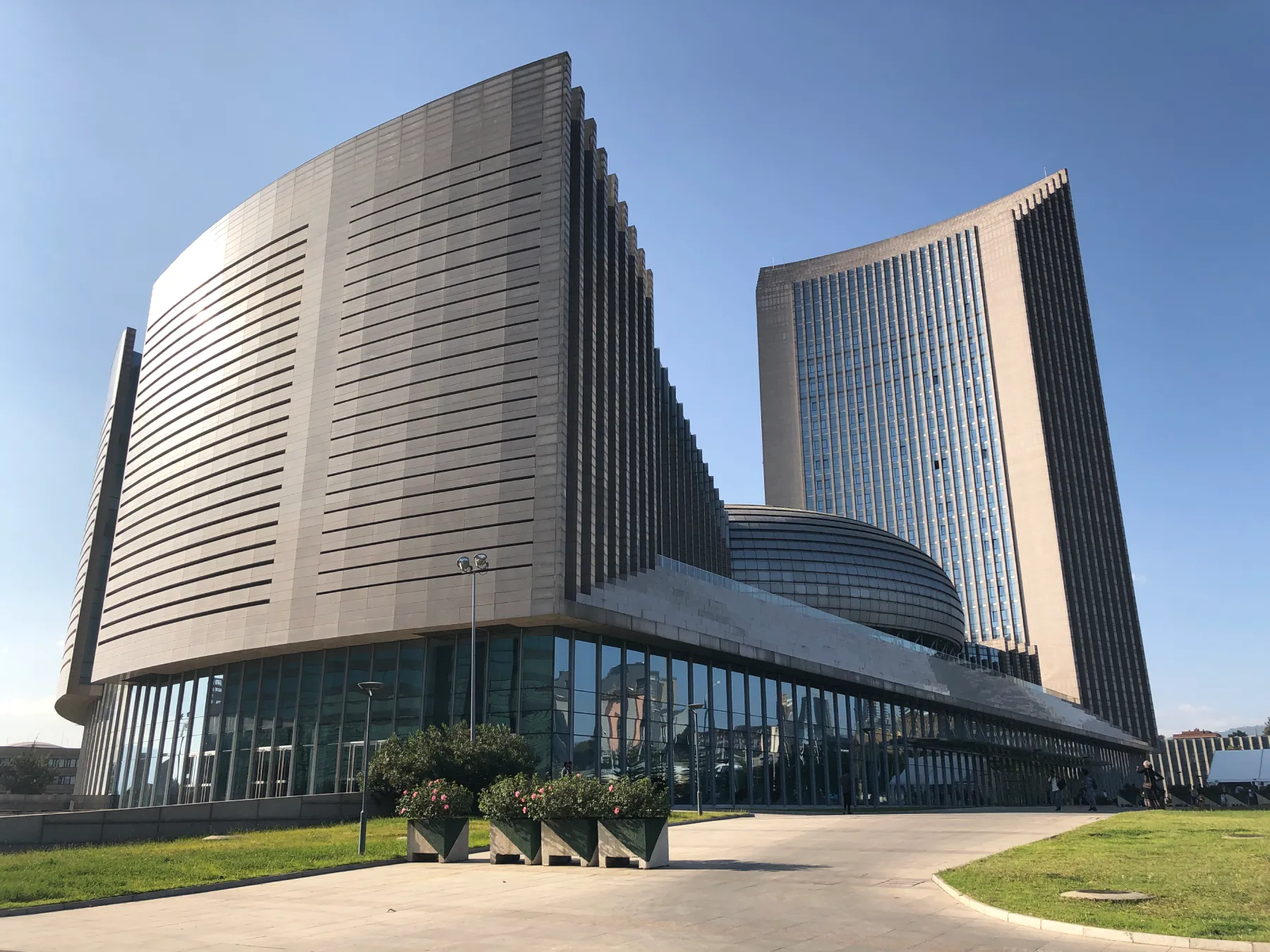
Addis Ababa gives you the modern weight of the country. Politics. Diplomacy. Traffic. Coffee. Noise. Construction. Expansion. Axum gives you the older foundation. Stone. Faith. Imperial associations. Deep time. Between them, they already tell you quite a lot.
Addis Ababa: Power, Friction, and Momentum
Addis Ababa is busy, steep, crowded, uneven, and sometimes jammed solid. Roads climb. Construction keeps rearranging the city while people get on with life in the middle of it. There is noise, pressure, concrete, and movement nearly everywhere. A city like that can easily turn exhausting. Addis mostly stays interesting.
Part of that comes from weight. This is not just Ethiopia’s capital. It is also one of the political and diplomatic centres of Africa, in much the same way that Nairobi is one of the region’s business hubs. Nairobi carries more of the commercial pulse. Addis carries more of the political mass. Governments, institutions, summits, embassies, officials, delegations, policy people, hotel lobbies full of people saying “regional framework” with a straight face. A lot runs through Addis, and you feel that quickly.
There is also more to it than politics and traffic. Coffee matters here in a serious way. So does incense. Churches still press their presence into the city. Imperial history still hangs in the background. Even with all the friction and urban sprawl, Addis has a depth that goes well beyond being an administrative capital with bad traffic and a few decent hotels.
Addis has its own distinctive character. It has edges. It has a recognizable impatient rhythm. When you arrive in Addis, you can feel where you are. The same is not true for every African capital city.
Axum: Stone, Faith, and Deep Historic Identity
Axum stands out with its own unique identity, in carved stone, in church tradition, in royal and imperial associations, in stories that have survived for millennia. Behind the polite veneer of a chilly, foggy highlands town tucked away between rolling hills and mountains lies a deep historic identity that you don't find in many other places on this continent.
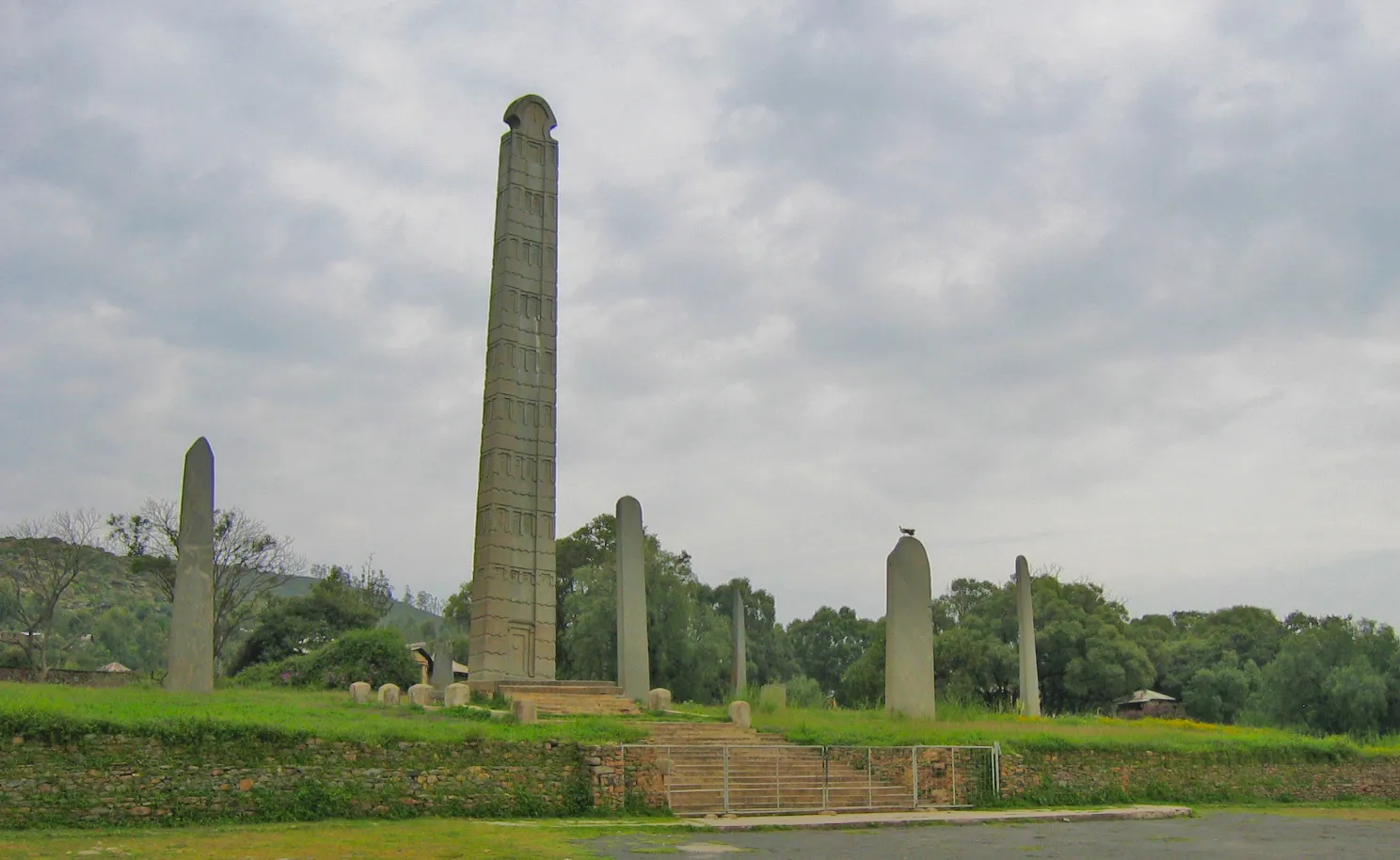
The stelae are part of that, of course. Massive, carved, and old enough to remind you that Ethiopia was building power, symbolism, and statehood a very long time ago. Axum was not some minor local centre later upgraded by historians out of generosity. It was the heart of a kingdom with influence far beyond its immediate surroundings, then standing and ambition to match, and a historical depth that forces you to adjust your timeline a bit.
Then there is the religious side. Axum is closely tied to Ethiopian Orthodox tradition and to the belief that the Ark of the Covenant rests here. Whether one takes that literally or not is almost beside the point. In Axum, it belongs naturally to the atmosphere of the place. It does not feel added on for effect.
That leaves a lasting impression. Not just age, but authority. Not just ruins, but continuity. Axum is a place where millennia-old traditions still live on, and that has carried the foundations of modern Ethiopia since the Queen of Sheba.
A Country That Did Not Bow to Colonial Invaders
Part of Ethiopia’s distinct cultural identity and confidence comes from the fact that it never passed through the same colonial mould as most of the continent. Italy occupied the country brutally from 1936 to 1941, but Ethiopia was not remade as a standard European possession and filed away under someone else’s flag for generations.
The victory at Adwa in 1896 was one of the ultimate feats of defiance by an African country against a European colonial invader. One that turned the tables in the occupation history of this continent. Menelik II and the Ethiopian forces did not just defend territory. They shattered the assumption that African states would simply fold when Europe arrived with flags, rifles, and very high opinions of itself.
You can still feel some of that in the way Ethiopia carries itself. The country has its own internal tensions, complexities, and arguments, and always has. But there is also a historical self-confidence here that feels grounded in something older and harder than modern nationalist packaging.
Coffee, Incense, and a Strong Sense of Itself
Some countries are instantly recognizable. Ethiopia is one of them.
Coffee is part of that immediately. Ethiopia is rightfully the birthplace of coffee, and of the entire concept of that caffeinated drink that so many of us enjoy, sometimes in excessive quantities, throughout our days. Coffee here is more than a ritual. It is a cornerstone of culture, hospitality, smell, repetition, conversation, and time. It belongs to daily life in a way that feels rooted rather than marketed.
The same goes for incense, food, church tradition, music, dress, and the broader visual identity of the country. Ethiopia does not blur easily into the wider region. It has too much of its own shape for that.
That is one of the country’s strengths. There is cultural continuity here, and you notice it quickly.
Still Only a Small Part of Ethiopia
Addis Ababa and Axum already carry weight, but they are still only a start.
There is still Gondar. Lalibela. Harar. Lake Tana. Bahir Dar. The Simien Mountains. The Afar landscapes. The Omo Valley. Ethiopia has no shortage of sights, sounds, and sensations to explore. I'm the one with a task ahead of me here.
Even so, Addis Ababa and Axum are two good places to start. One gives you the pressure, ambition, and political gravity of modern Ethiopia. The other gives you old stone, old faith, and the historic depth behind it. With those two, you already start to realise how distinct this country is, and how much more there is to discover.