
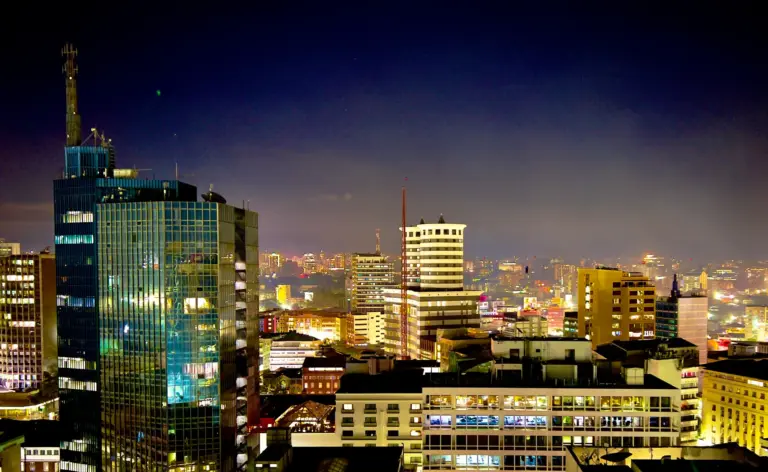
The city I keep returning to
I first moved to Nairobi in 2002 for an internship, just out of college, when strongman Daniel arap Moi was still in power and Kenya still felt like it was standing at the end of one political era and waiting for the next one to begin. Then Kibaki won in a landslide, and the whole place felt charged. Nairobi became a city where history was happening in real time with the world watching from the front row.
Since then, I have lived in Lagos, and Kinshasa, and also back in Oslo for a few years. All three have their own charm, but every time, I ended up back in Nairobi. Not by accident. Nairobi can become quite an addiction. People come for a job, a posting, a contract, a startup, a relationship, a one-year plan that turns into five, and suddenly leaving no longer seems quite so urgent.
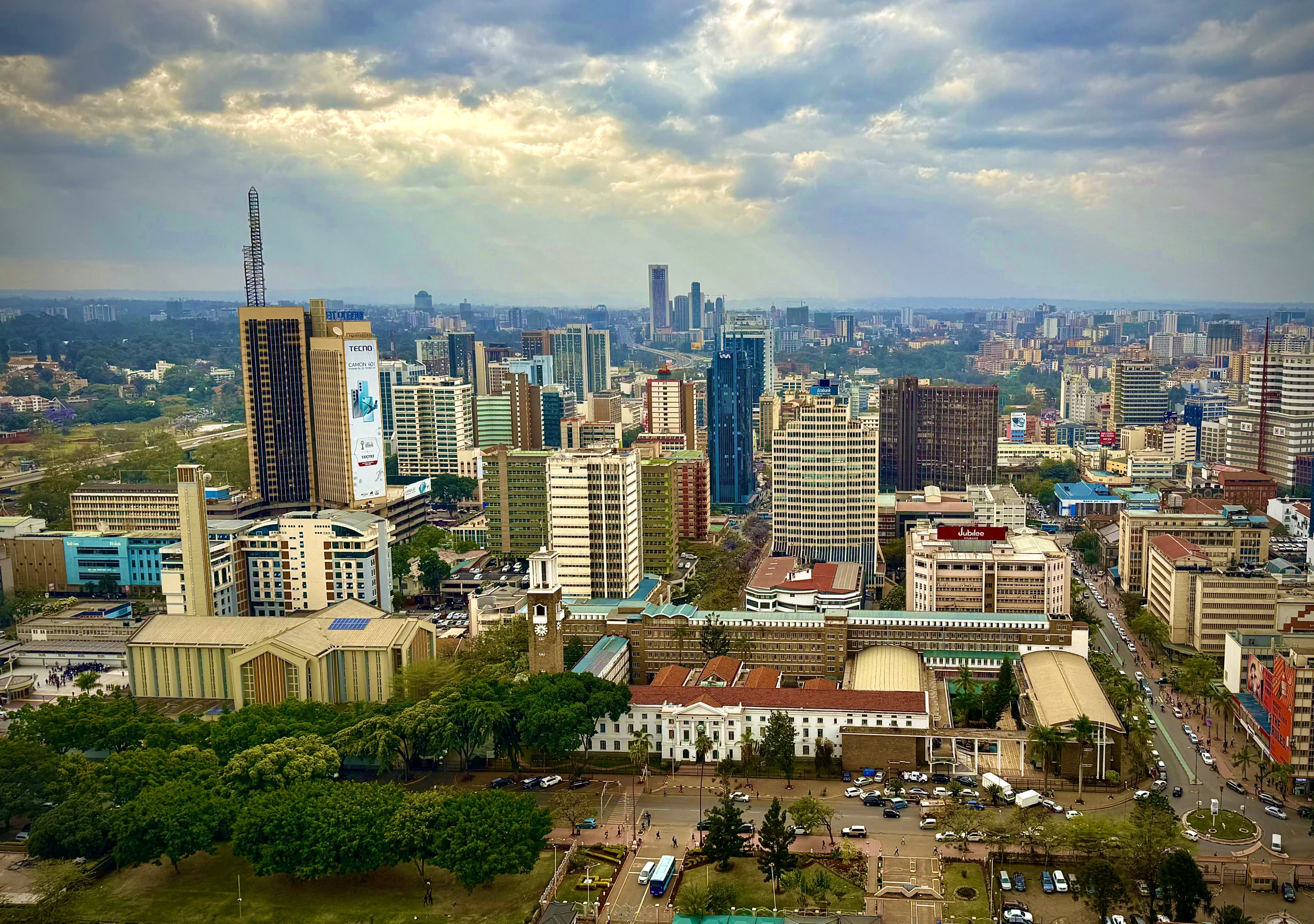
An addictive city
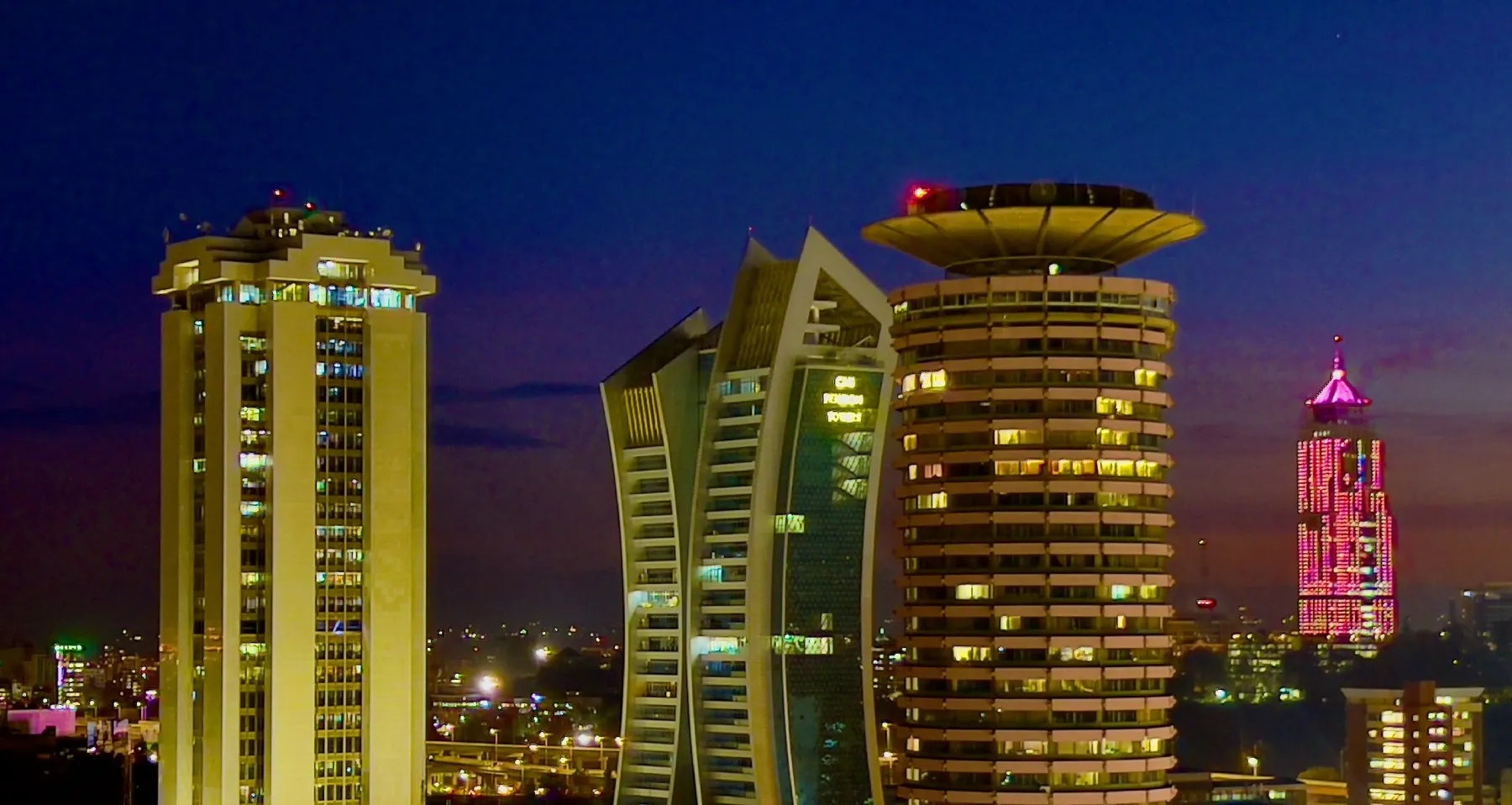
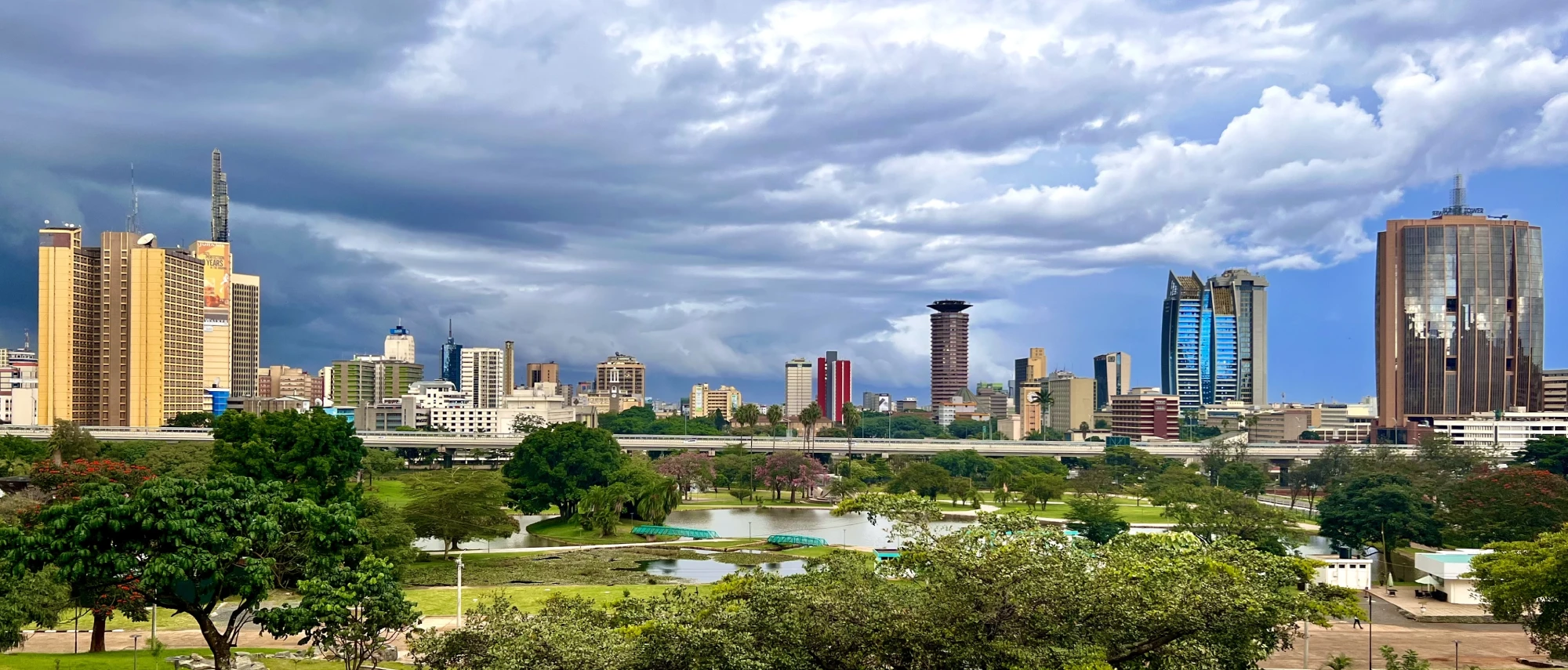
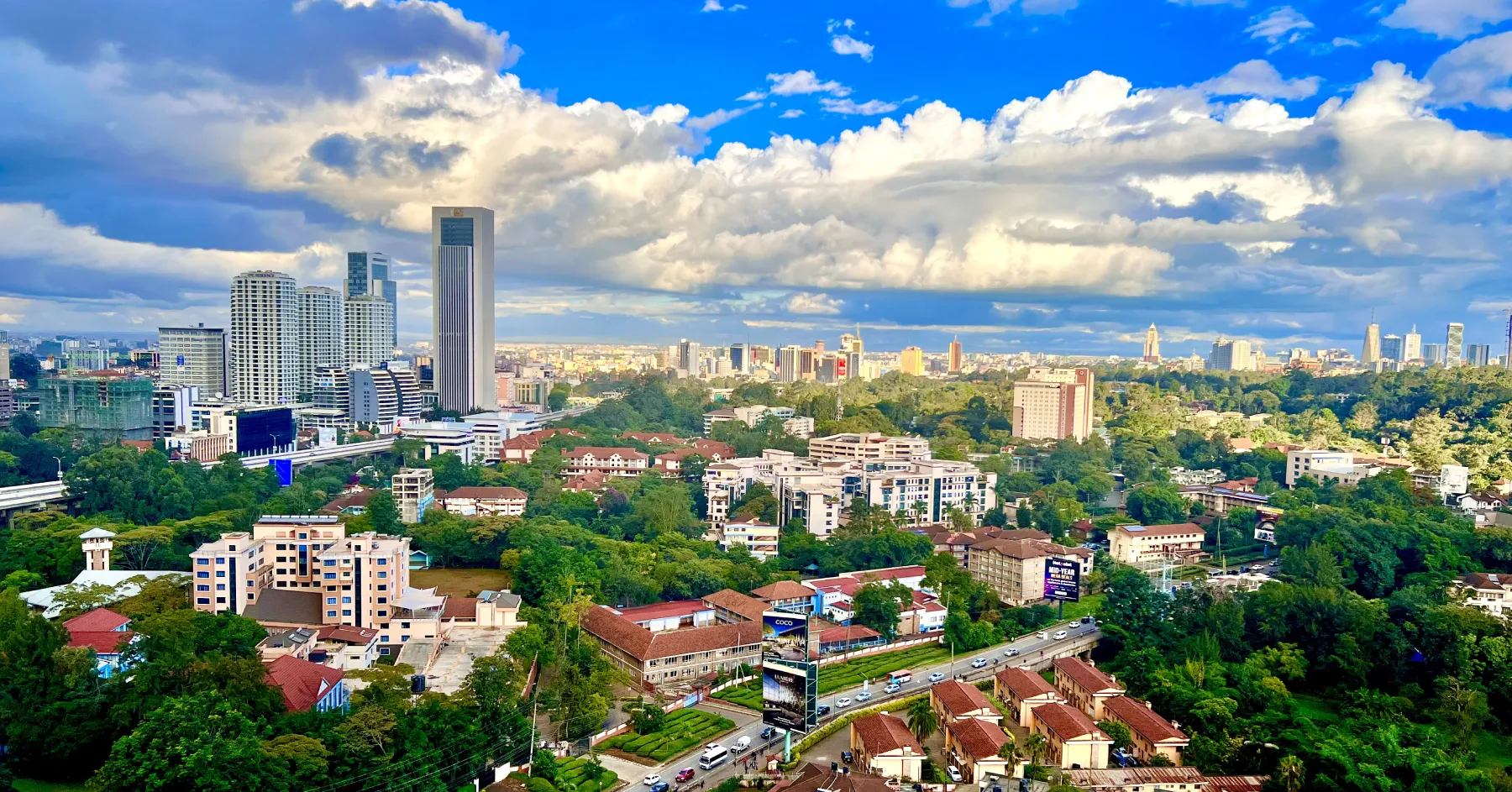
There are cities that make a clean first impression. Nairobi doesn’t. It gives you momentum, appetite, and nerve. It is a city that keeps expanding, keeps growing, and keeps rising.
That is part of why I’ve always found it so compelling. It can be exhausting, insane, and very entertaining, often within the same afternoon. You can spend half the day cursing the traffic and the other half remembering exactly why you live here.
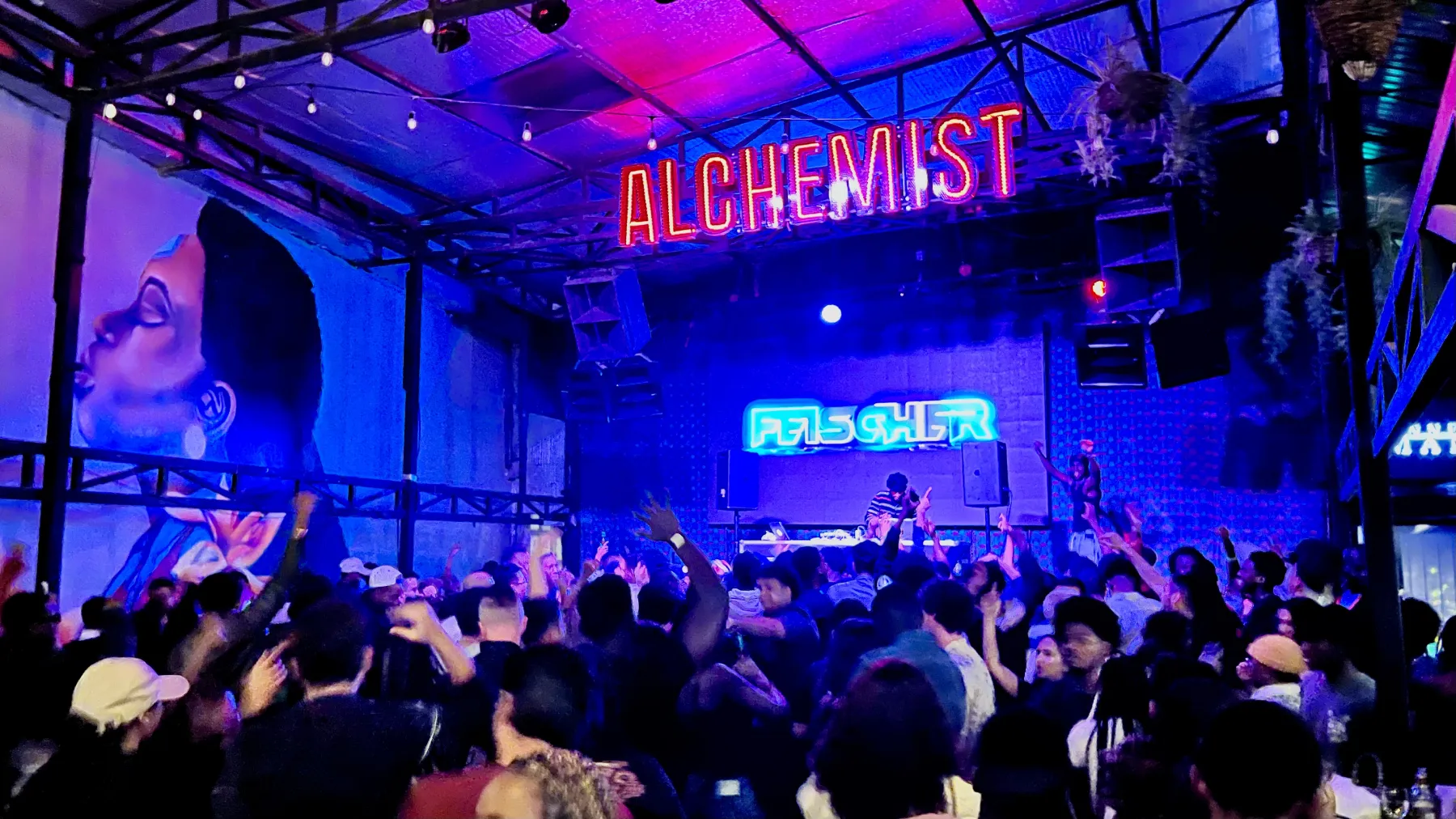
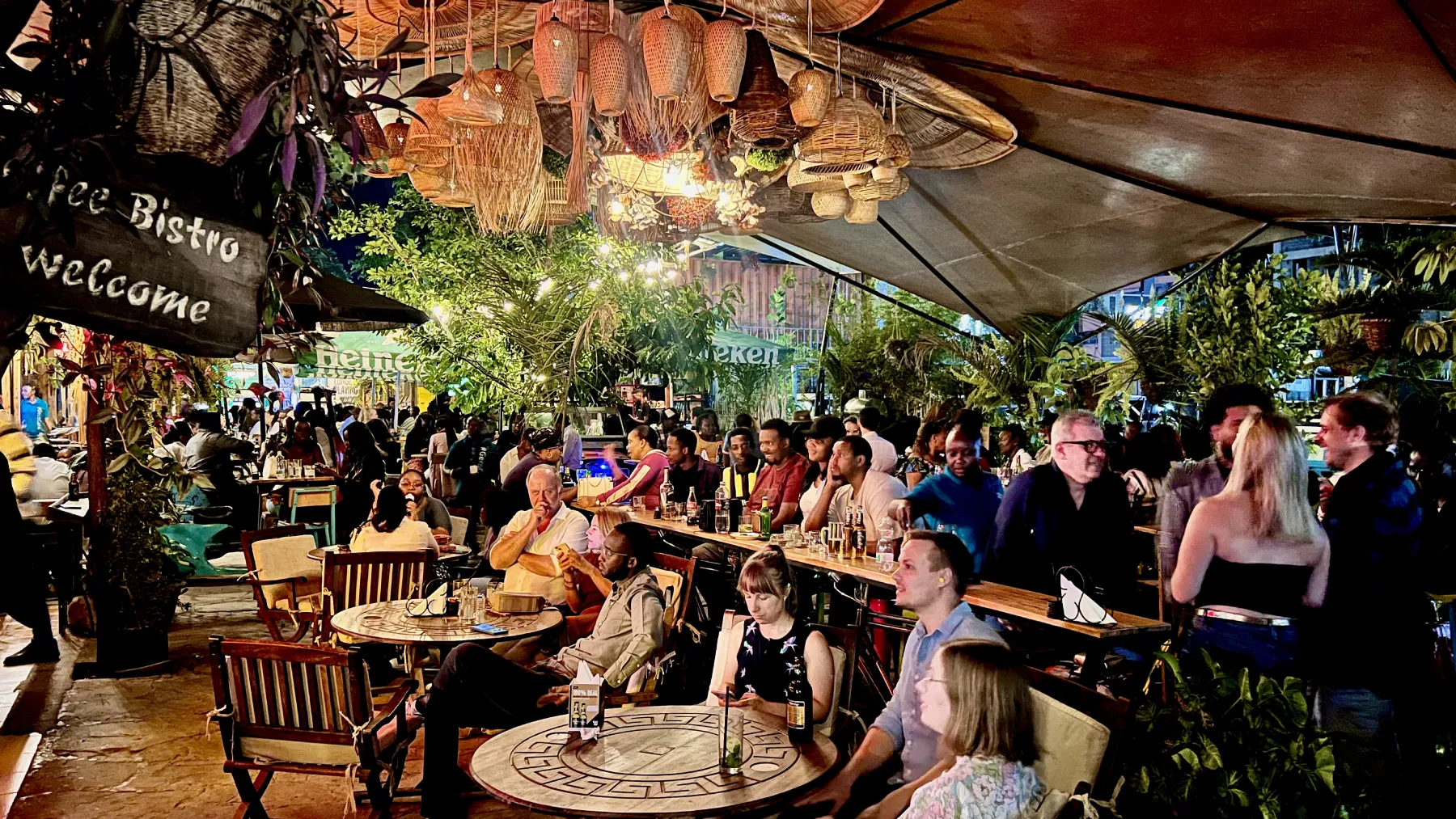
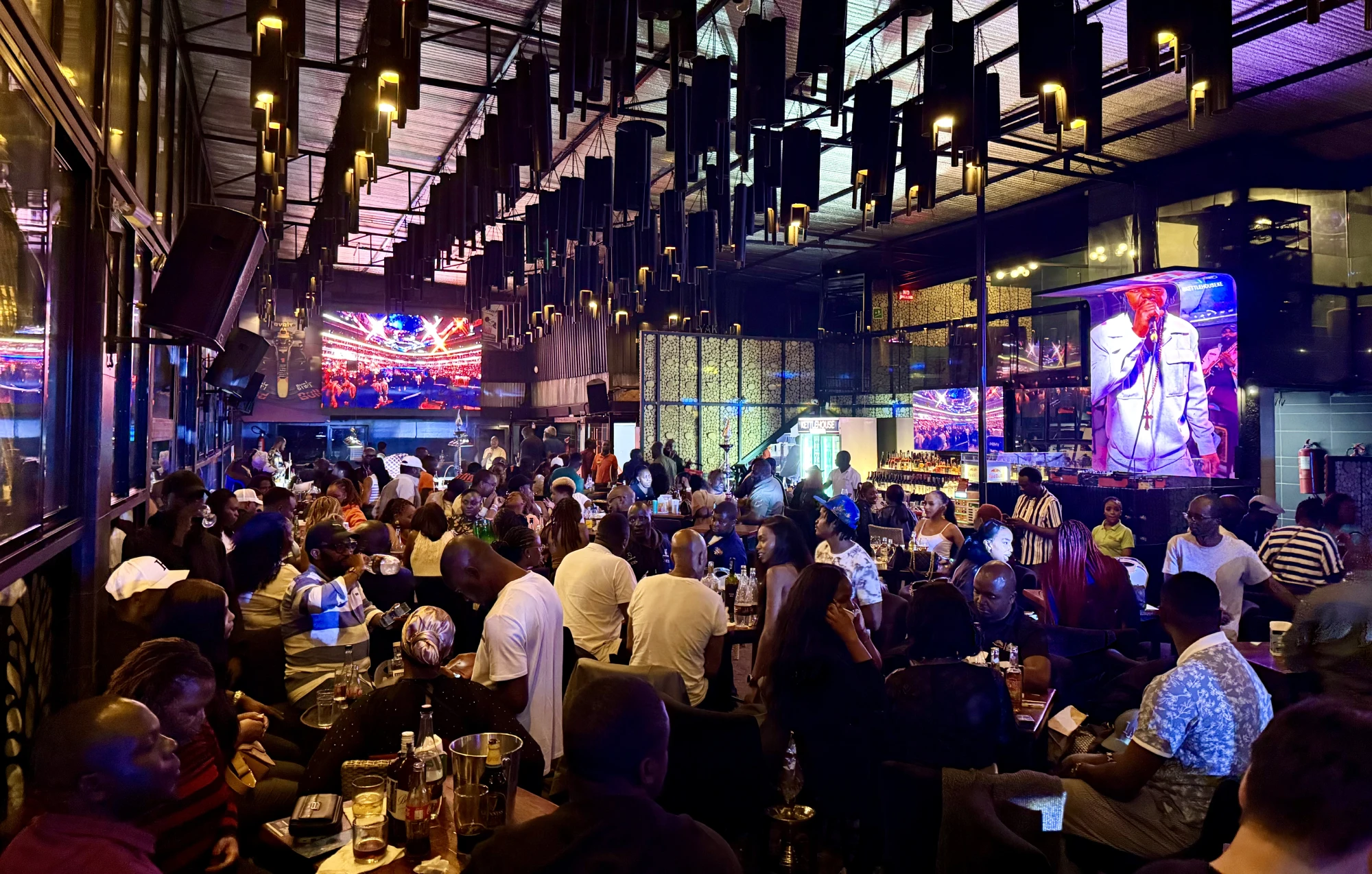
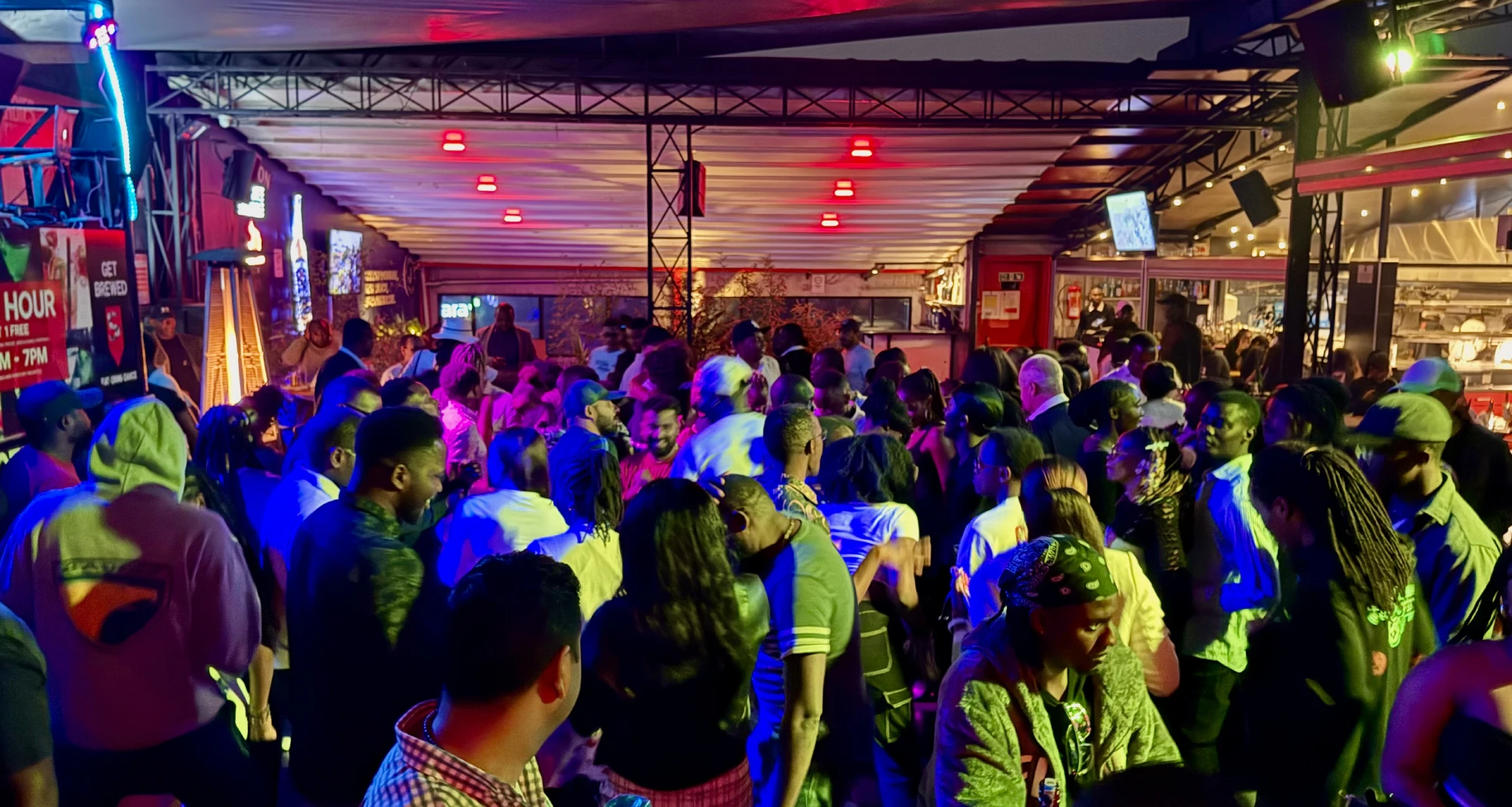
It hardly sleeps either. In the early 2000s it was still possible to have a reasonable idea of the main nightlife circuit. You could more or less keep up. Today that would require a generous entertainment budget, worrying stamina, and a heroic disregard for tomorrow morning. Nairobi’s nightlife has scale now. New places keep opening, older ones get makeovers and reappear stronger and fresher, and some of the best nights out in Africa still happen here. National Geographic lauds Nairobi’s “steamy nightlife”, while Condé Nast says the city’s “eclectic nightlife scene showcases Kenya’s passion for parties.”That sums it up fairly well to me.
Nairobi – the Foodie Capital of Africa
You can eat your way across the world here, with a deep dive into Africa too.
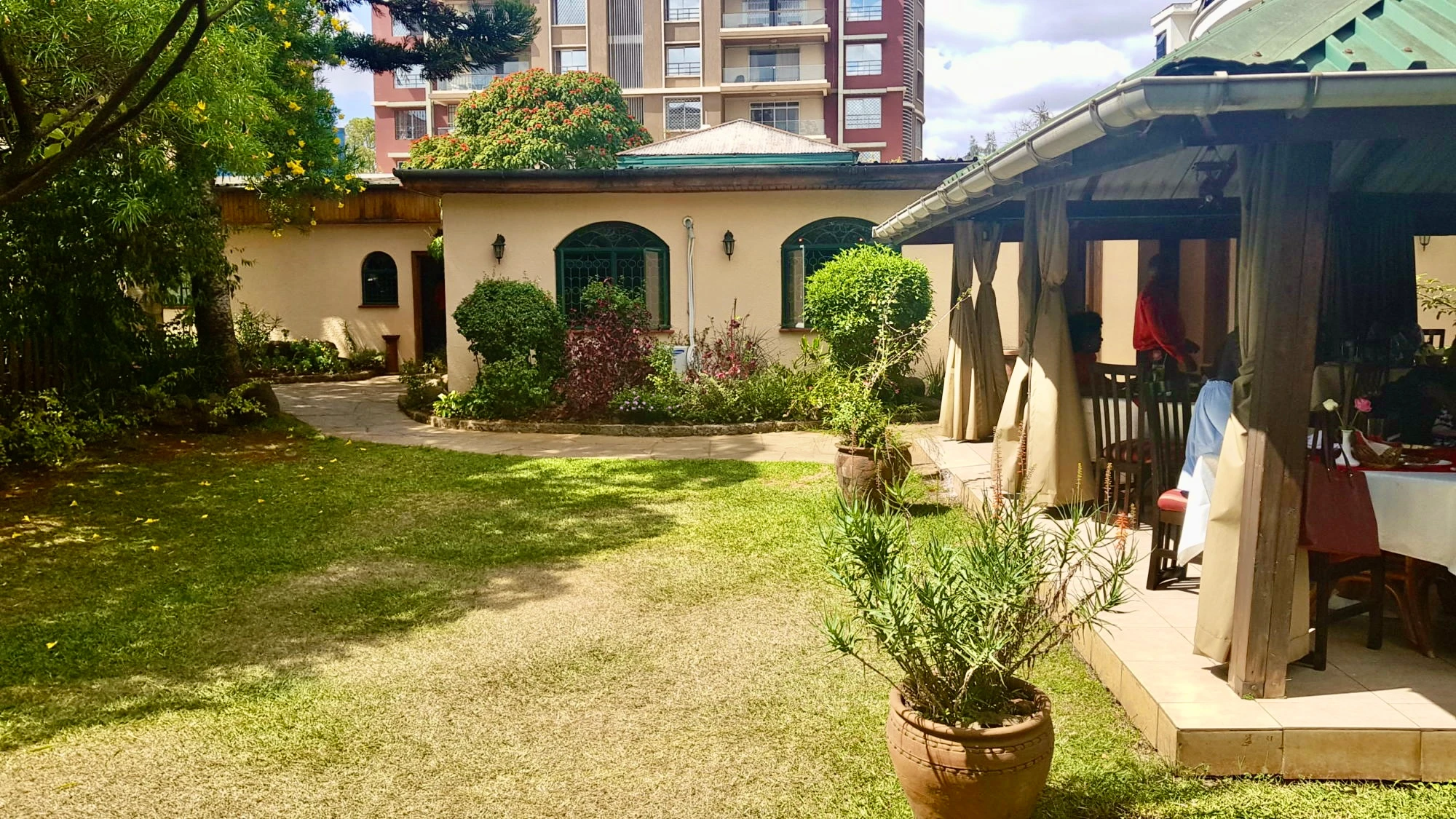
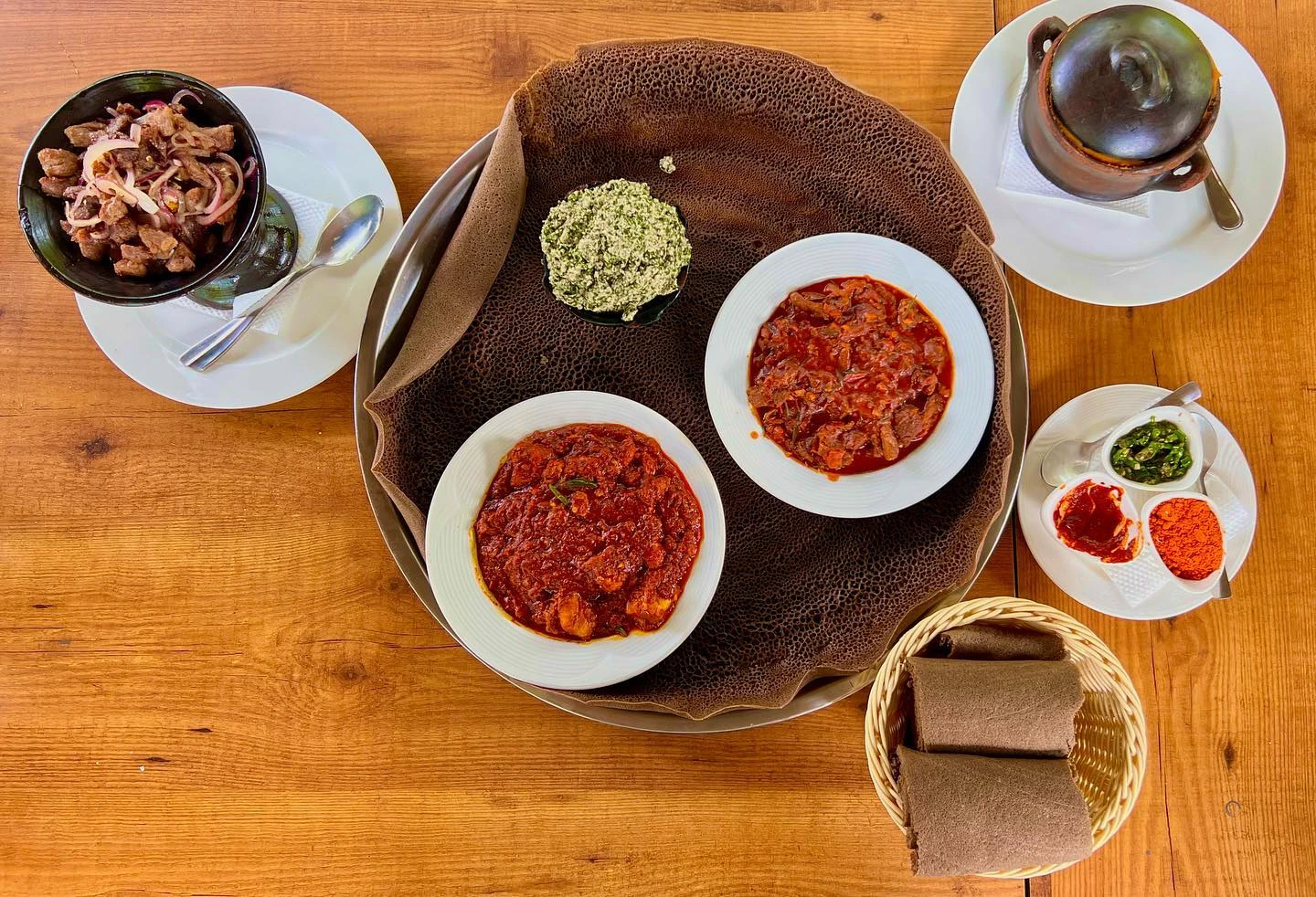
The city has culinary range. Good range. Not just the standard international mix that major capitals like to congratulate themselves for, but a serious spread of African cuisines too. Ethiopian has been a hit here for decades, along with the near-identical neighbouring Eritrean cuisine. West African food has gained a real foothold too, while Swahili coastal flavours show up in everything from street food to more refined dining.
The local end matters too. Nyama choma is an integral part of Nairobian life. Vast, leafy choma gardens are scattered across the city, along with smaller, simpler places that do the job just as well. In any classic Nairobian weekend, a nyama choma afternoon with plenty of Tusker is close to sacred. Coastal flavours travel inland well. You can go polished if you want to. You can also eat very well without anyone turning dinner into theatre. Condé Nast Traveler’s old Nairobi line about “superb restaurants” still holds up.
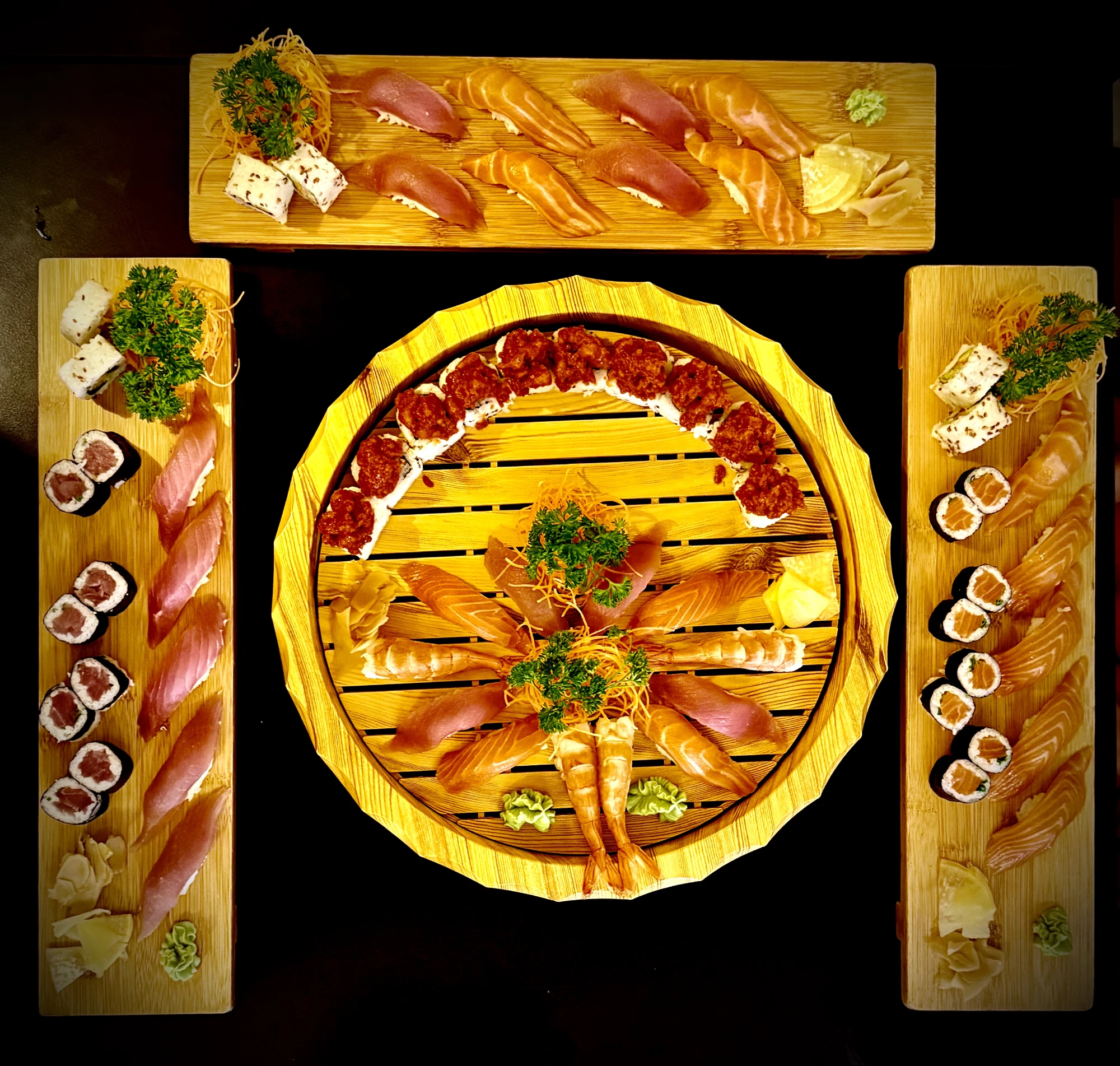
And if you think Nairobi tops out at nyama choma and rooftop drinks, it does not. The sushi scene is strong. Hero is the big name, with Japanese comic-book walls, sharp design, designer rolls, and plates arriving through dry-ice smoke, while its bar was ranked No. 69 on The World’s 50 Best Bars 2025 list and named Best Bar in Africa. Misono on Ngong Road is less showy but right up there, and Haru in Karen is more of a local hidden gem with seriously good sushi.
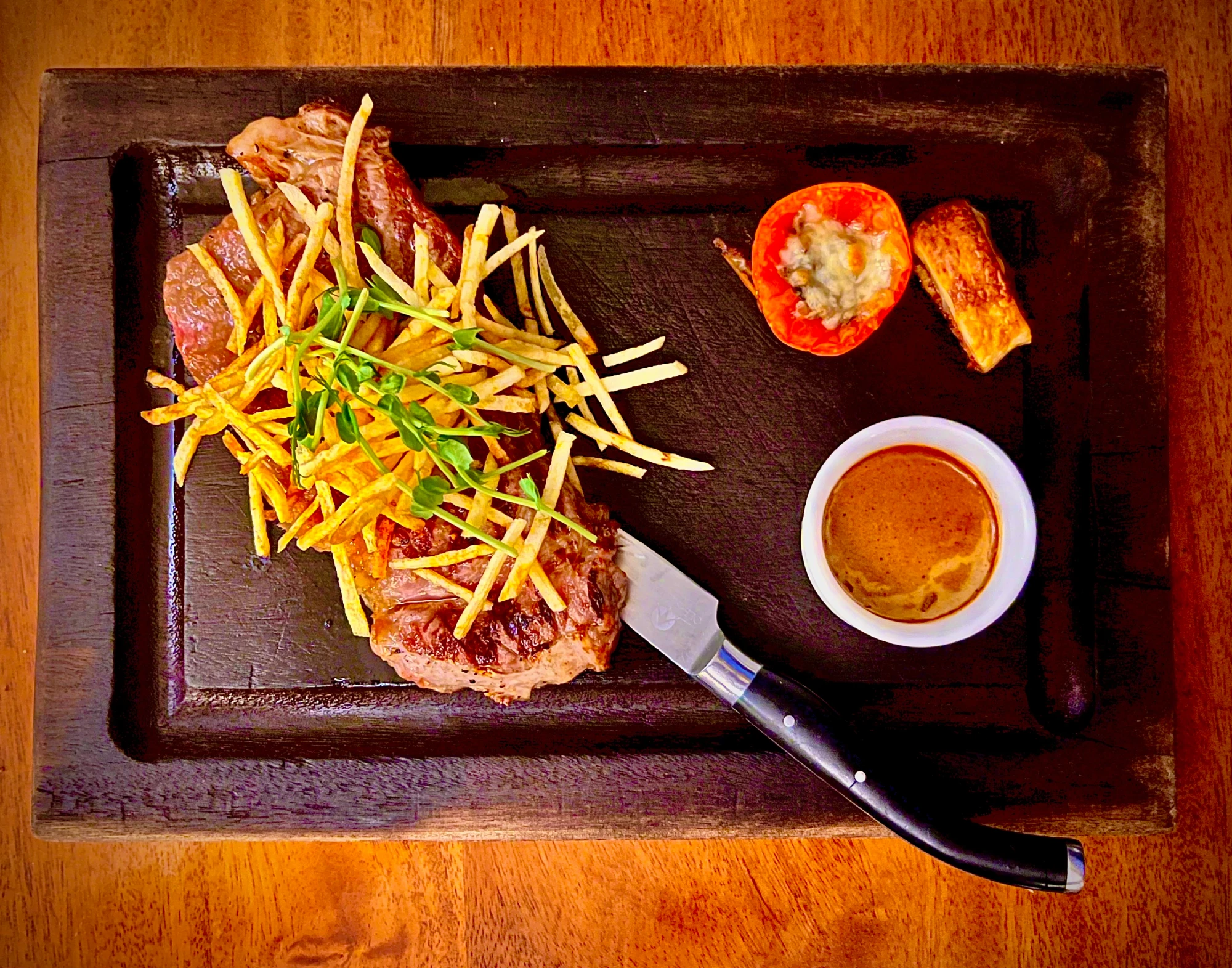
For steak, The Local Grill at Village Market is one of the best in town and leans into Kenya’s beef story with Ol Pejeta beef on the menu. Sierra deserves to be in the same conversation for aged steaks, and Eagle’s at Ole Sereni adds the rare bonus of doing it with Nairobi National Park right outside.
Malls, markets, and weekend Nairobi
The big malls matter. They are not just for shopping. They are meeting places, lunch plans, fallback plans, cinemas, coffee stops, family territory, and air-conditioned survival strategies all rolled into one. Nairobi has made the mall part of everyday urban life more than most African cities have. And they are big. Properly big. Sarit, The Hub, Westgate, yes, that Westgate, and Village Market all make the point in slightly different ways. Village Market especially has long since drifted beyond the normal definition of a mall. Spend enough time in places like these and you might briefly think you are in Europe. Then you realise that a lot of Europe would struggle to match them.
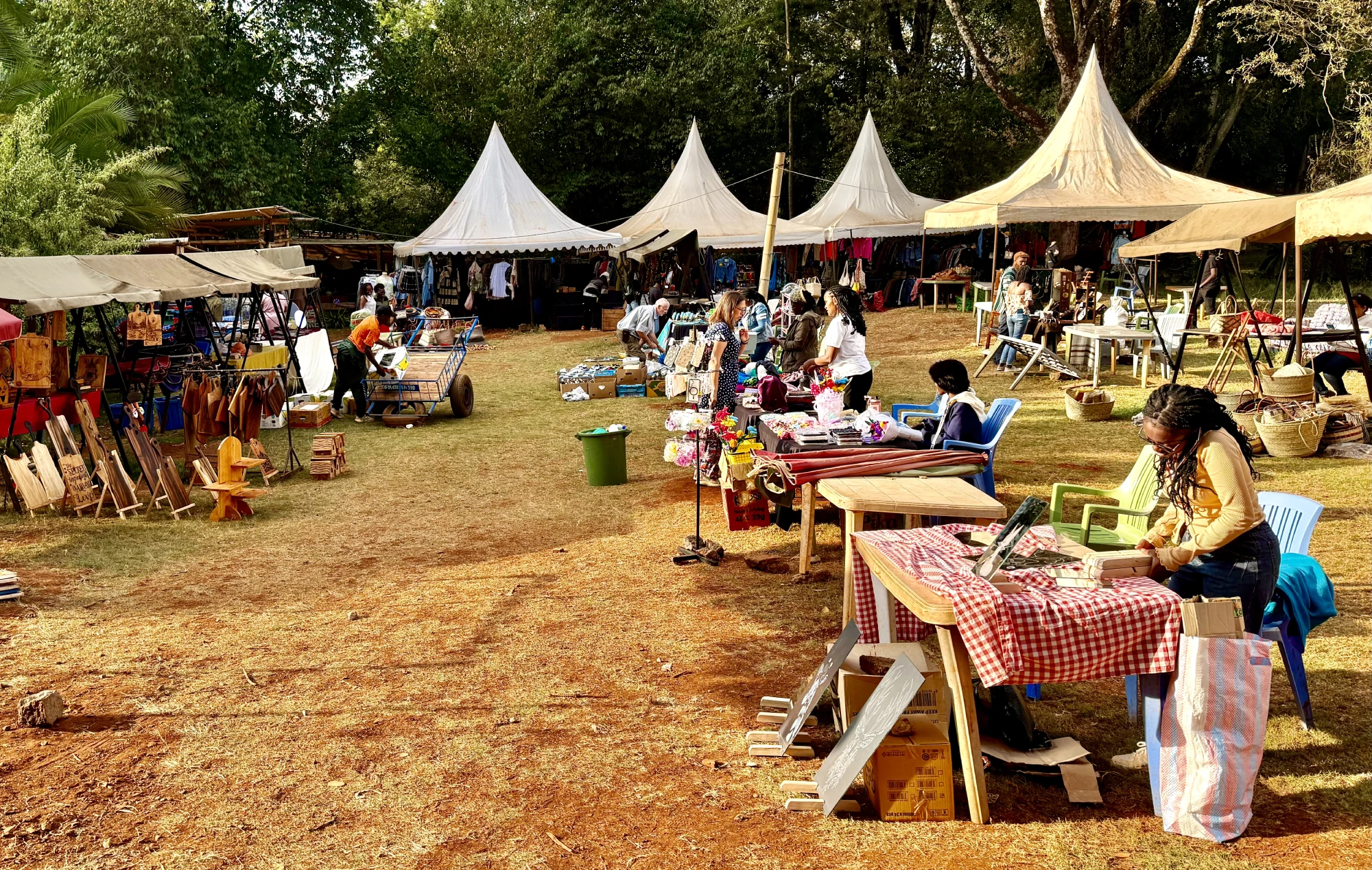
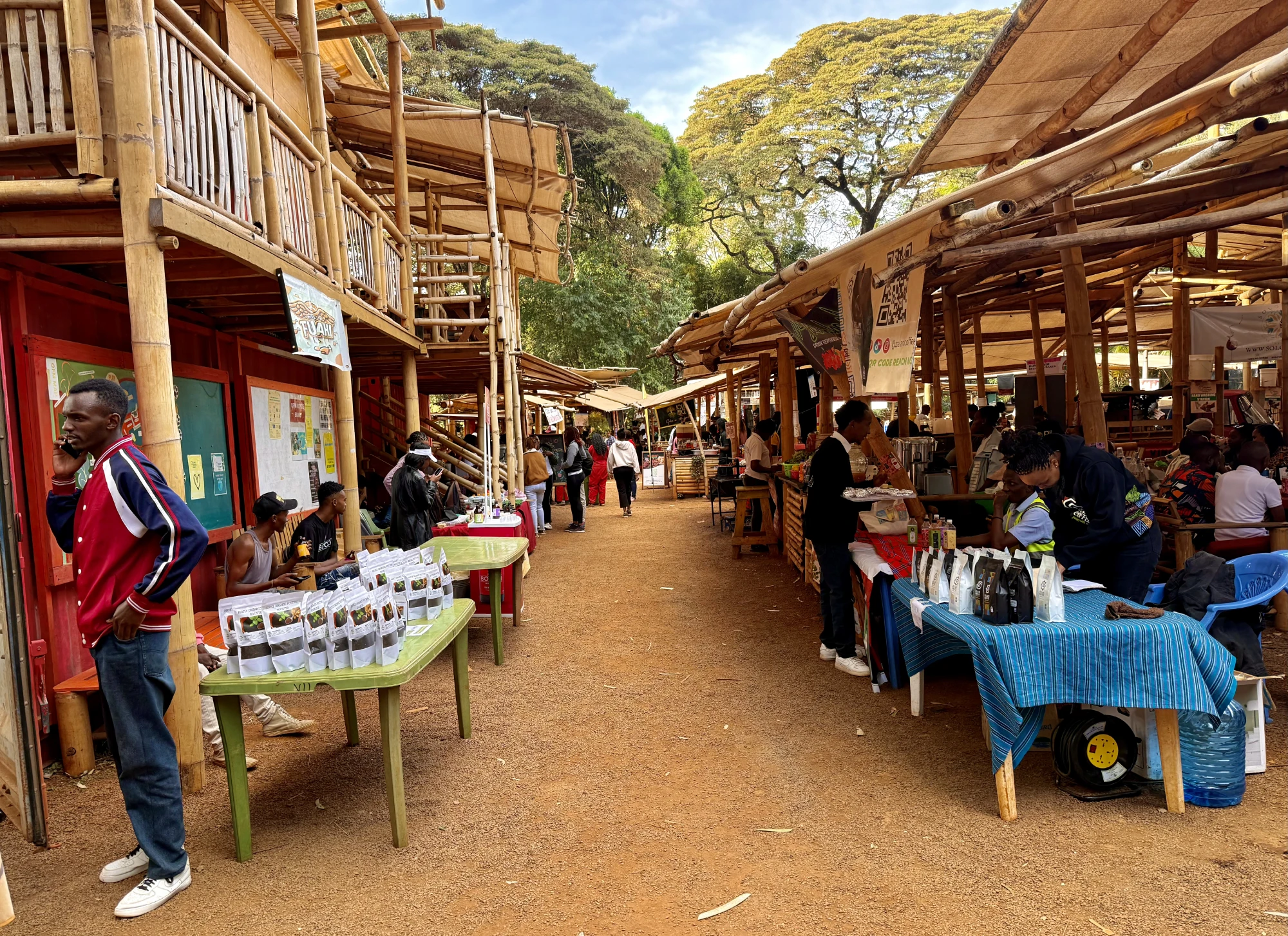
But weekend Nairobi is not just polished retail. The city also does markets properly. Bizarre Bazaar is still the giant twice-a-year heavyweight, while smaller pop-up markets seem to appear somewhere almost every weekend. The Organic Farmers Market remains one of those Saturday Nairobi habits that makes the city feel both urban and very connected to what lies around it.
That is where another side of Nairobi shows up. Fresh vegetables and fruit that actually taste of something. Things you do not always find in ordinary greengrocers. Good cheeses. Preserves. Craft products. Local beers. Small producers. Specialty foods.
You also get artistic handicrafts, a surprisingly wide range of local cosmetics and essential oils, ceramics, handmade dining sets, and colourful local designer wear that can make the rest of your wardrobe look like it gave up years ago. These markets are social spaces as much as shopping spaces, with pop-up food stalls selling everything from choma and coastal dishes to injera, souvlaki, and ramen, plus the occasional thing that might still catch even a seasoned globetrotter off guard.
And yes, there is local craft beer. There is also jaba juice, fruit or berry blends mixed with khat extract, which would be illegal in much of Europe and North America and can make your triple espresso feel like a glass of water. If that sounds a bit too adventurous, you are not exactly short of simpler options either. Tusker, wine, and large fruit juices are everywhere.
Green starts closer than you think
One of Nairobi’s best qualities is how quickly it flips from built-up to green. Karura Forest is and has always been one of the city’s most striking features, and one of my favourite places to disappear, especially on weekend mornings. There’s the lesser-known Sigiria side of the forest if you want fewer people, and then there are the outer trails of the main section. Crossing between the two can push my Garmin past 30,000 steps on a good day.
That smoothie at The River Café, tucked right inside the forest, tastes well deserved afterwards. Add the Arboretum, Ololua Forest, and the wider Nairobi habit of escaping outdoors whenever possible, and you may start getting a deeper feel of this city’s addictiveness. Nature is never all that far away here. That is easy to forget when you are stuck somewhere in traffic and surrounded by fumes, but it remains one of Nairobi’s real advantages.
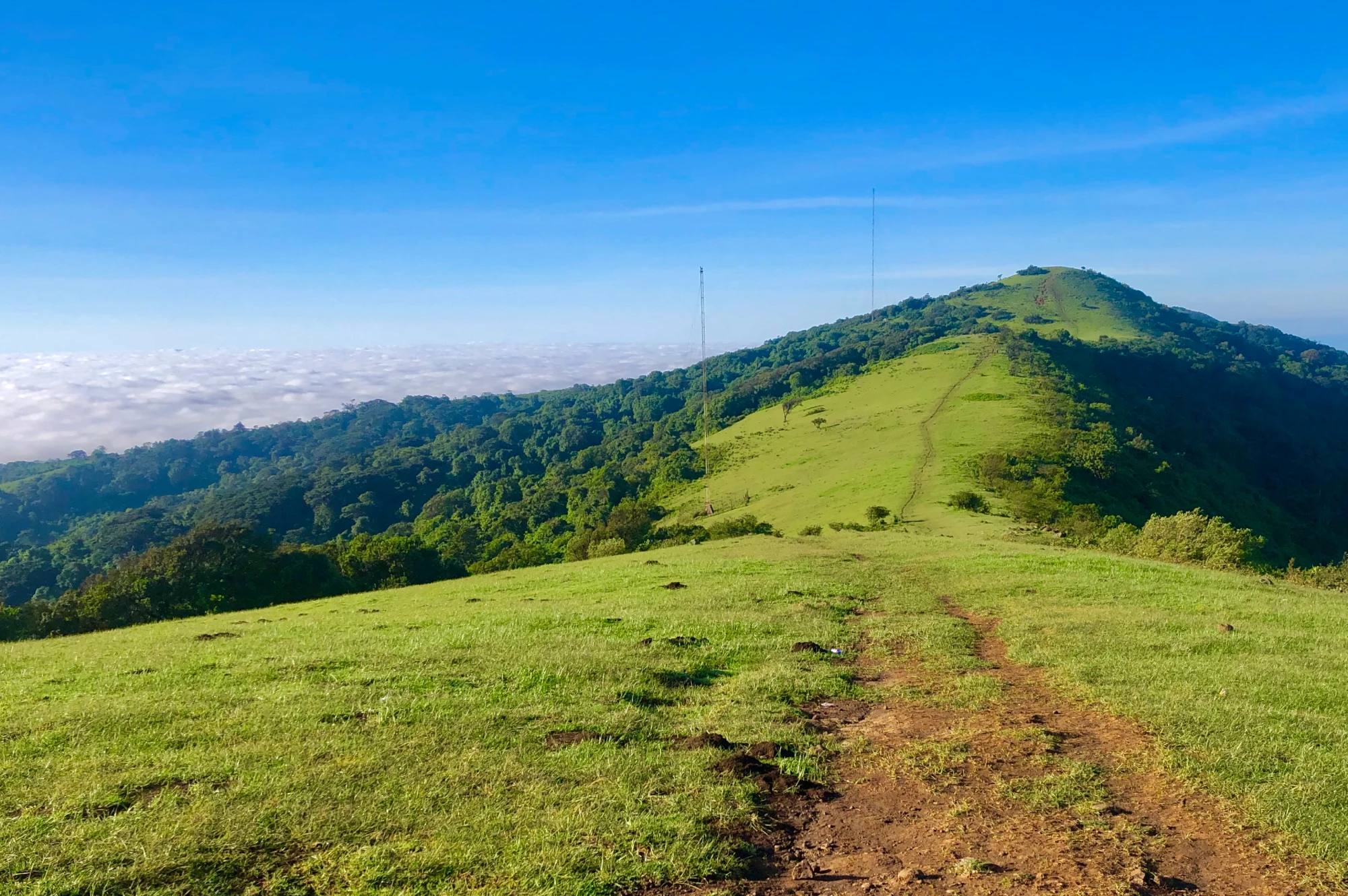
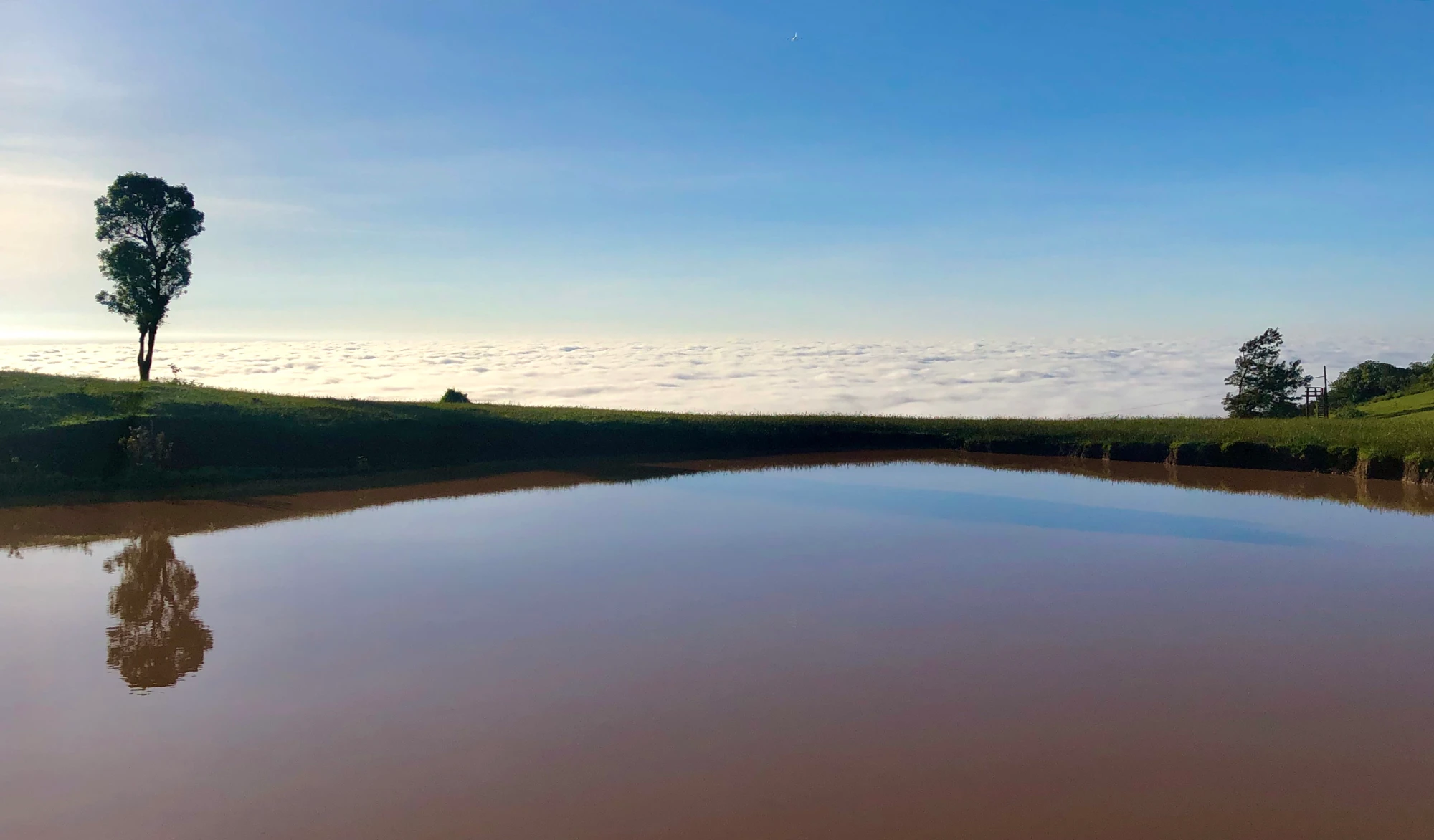
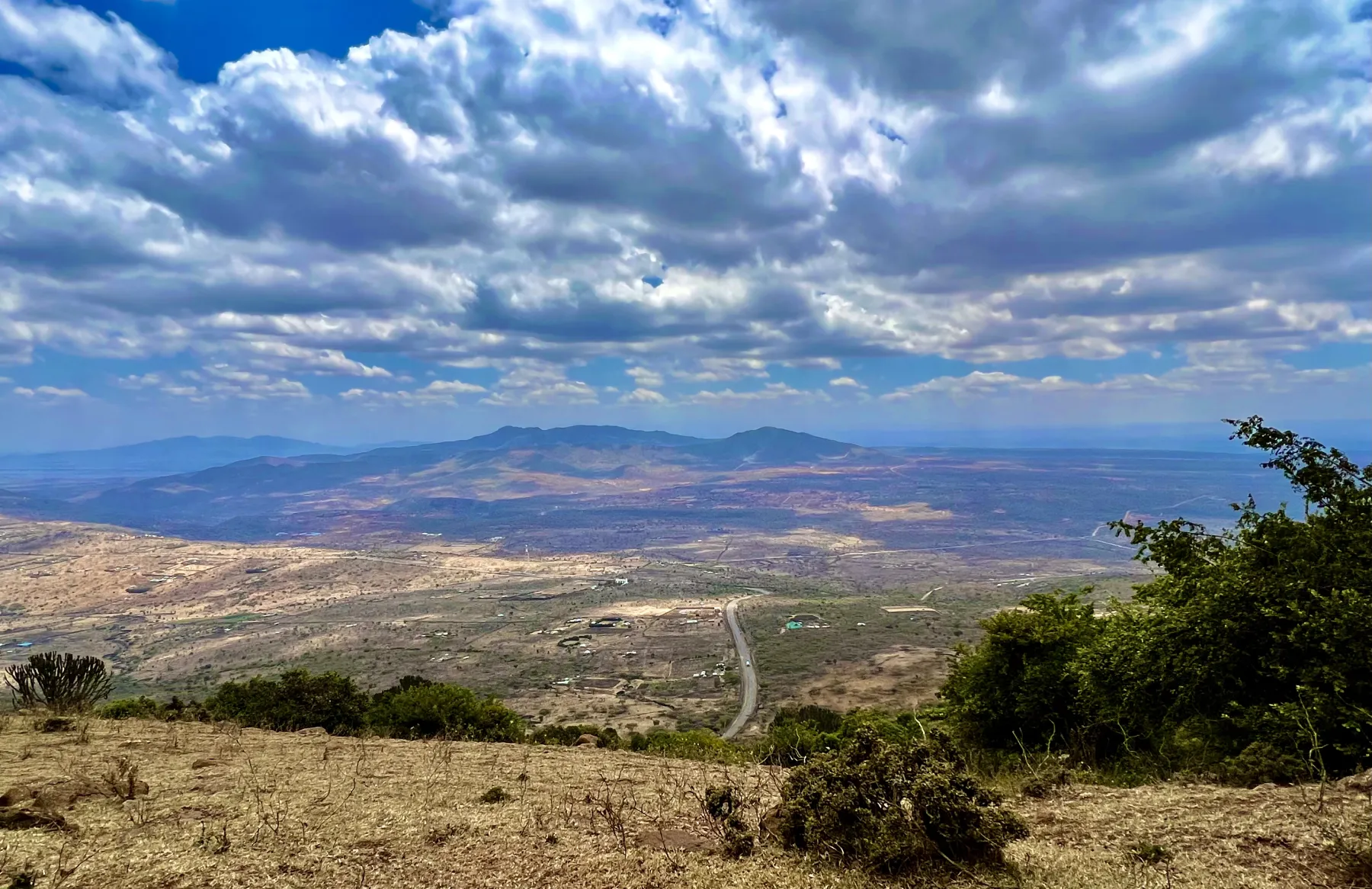
Then there is Ngong Hills. I keep going back. The views still do the job. One side opens toward Nairobi, the other toward the Great Rift Valley. Occasionally, on an exceptionally clear day, you may catch a glimpse of Mount Kenya in the far north, or of Kilimanjaro in the south. A highly theoretical possibility would be to see both on the same day, but I honestly don’t know how many years pass between each time that actually happens.
Wild at the edge of town
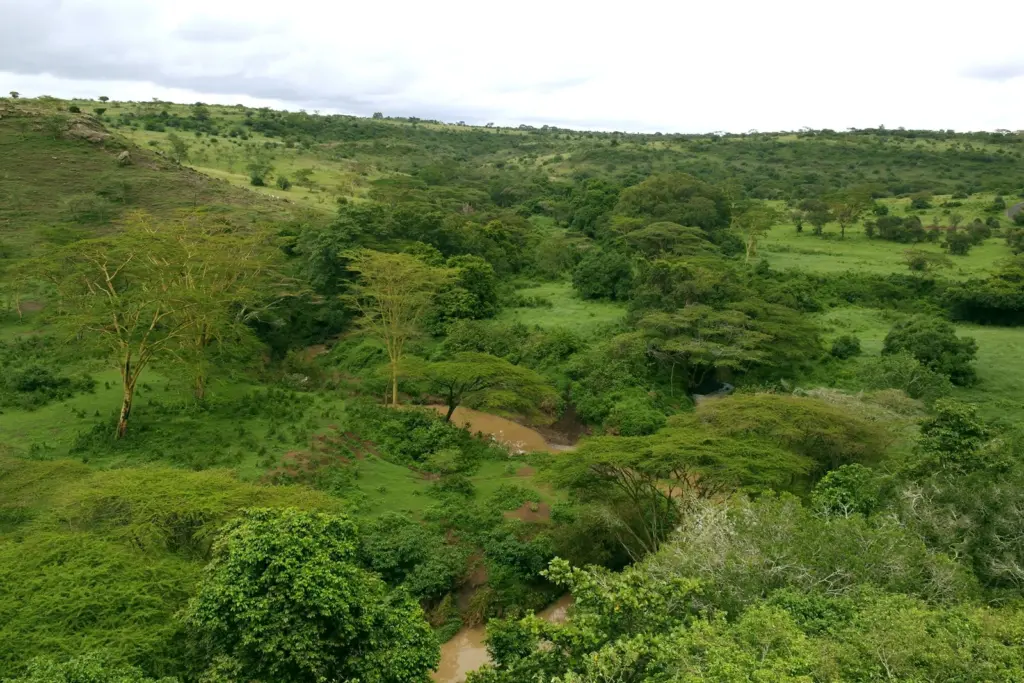
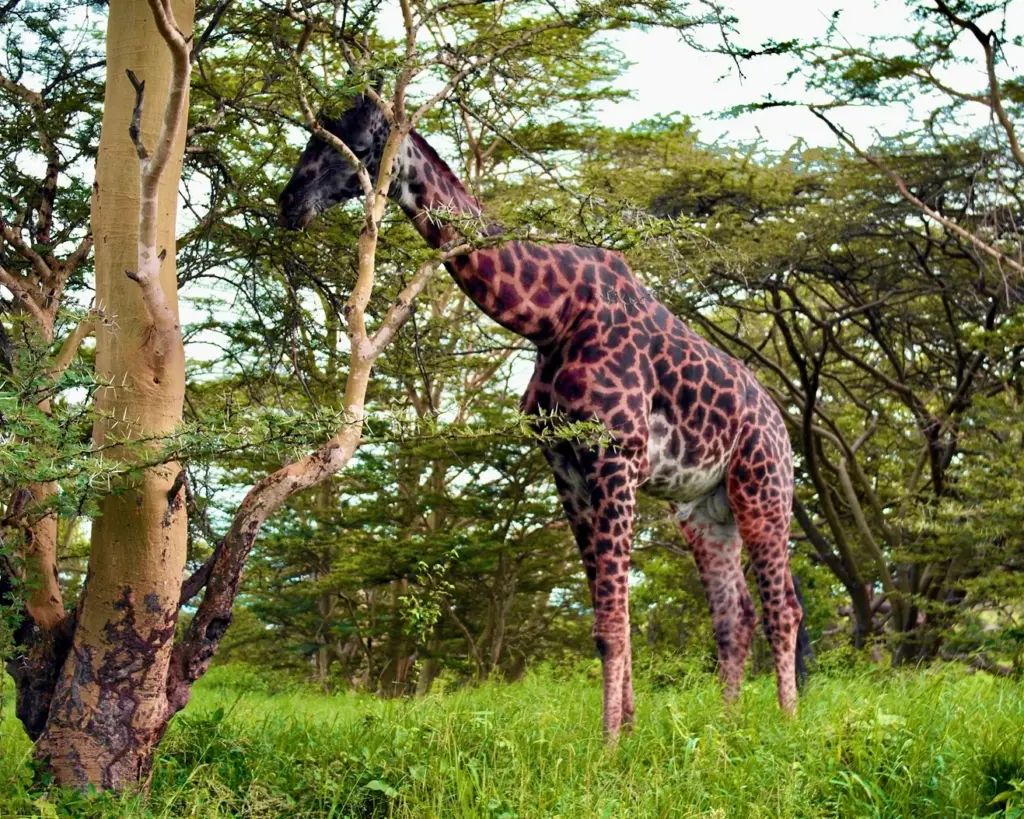
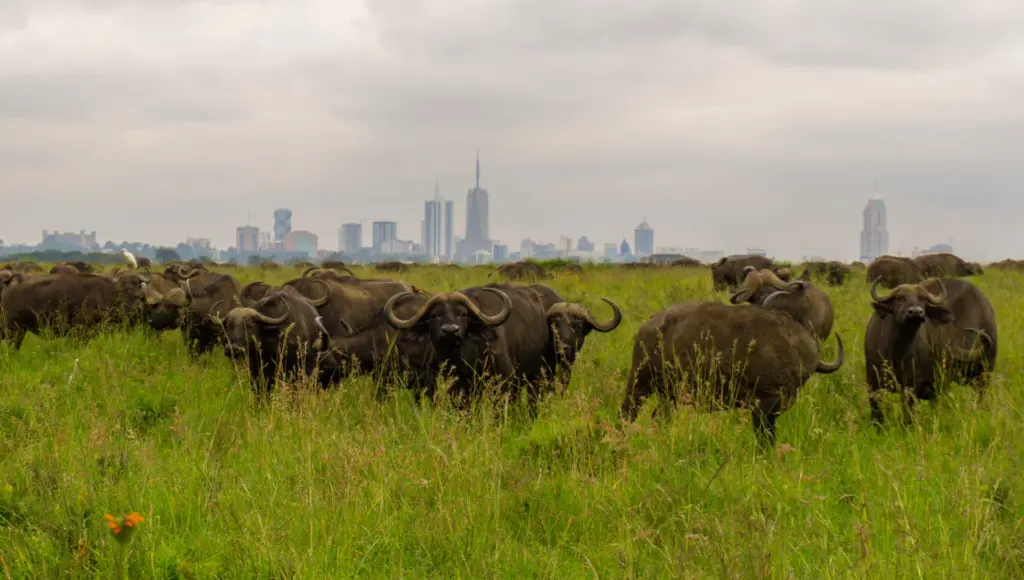
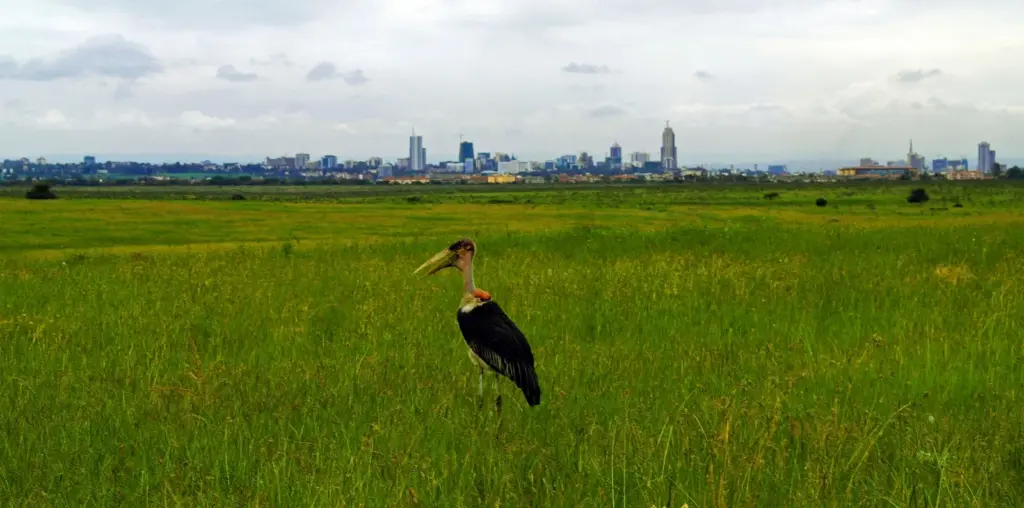
Nairobi National Park is another feature few other cities can match. It sits right against the capital and still delivers one of the strangest and best urban backdrops in Africa.
The skyline behind buffalo or giraffes still has force, even if you’ve seen it before. It says something very specific about Nairobi. However hard the city builds, something wild still sits right there at the edge of it.
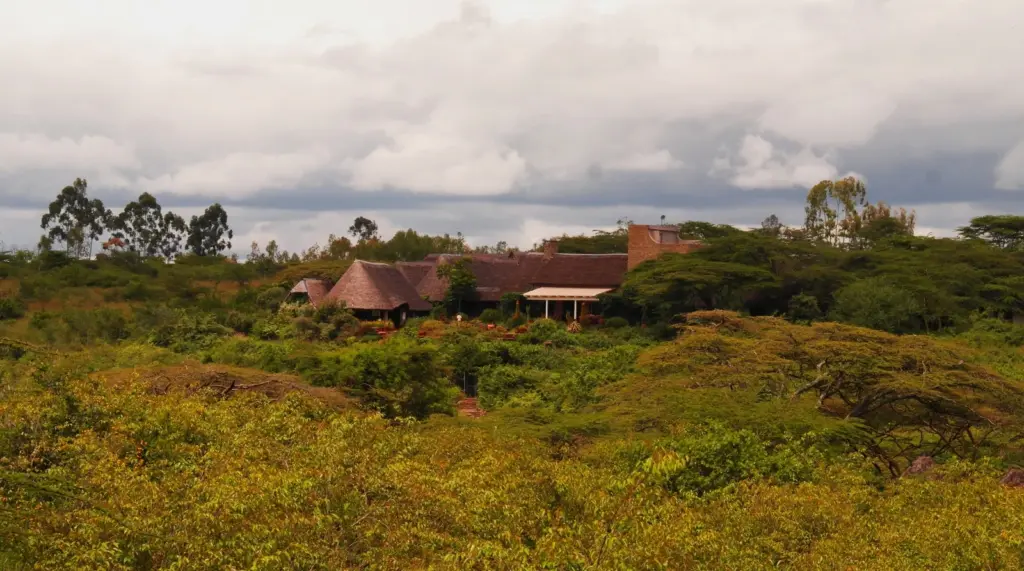
Nairobi National Park gives you four of the five. Elephants somehow don’t seem to fancy that rising skyline. Then again, the upsides of jumbos not taking a stroll onto Mombasa Road or the Southern Bypass might outweigh the downside. If you want to do the park edge properly, The Emakoko and Ololo are two well-known names. Both sit right on the border of the park and make that city-meets-safari absurdity feel even better.
Nairobi National Park is not the Maasai Mara, obviously. But that is the point. You get real wildlife right on the edge of the capital, without committing to a full Mara trip, a long drive, and a much uglier bill


Boom city, traffic city
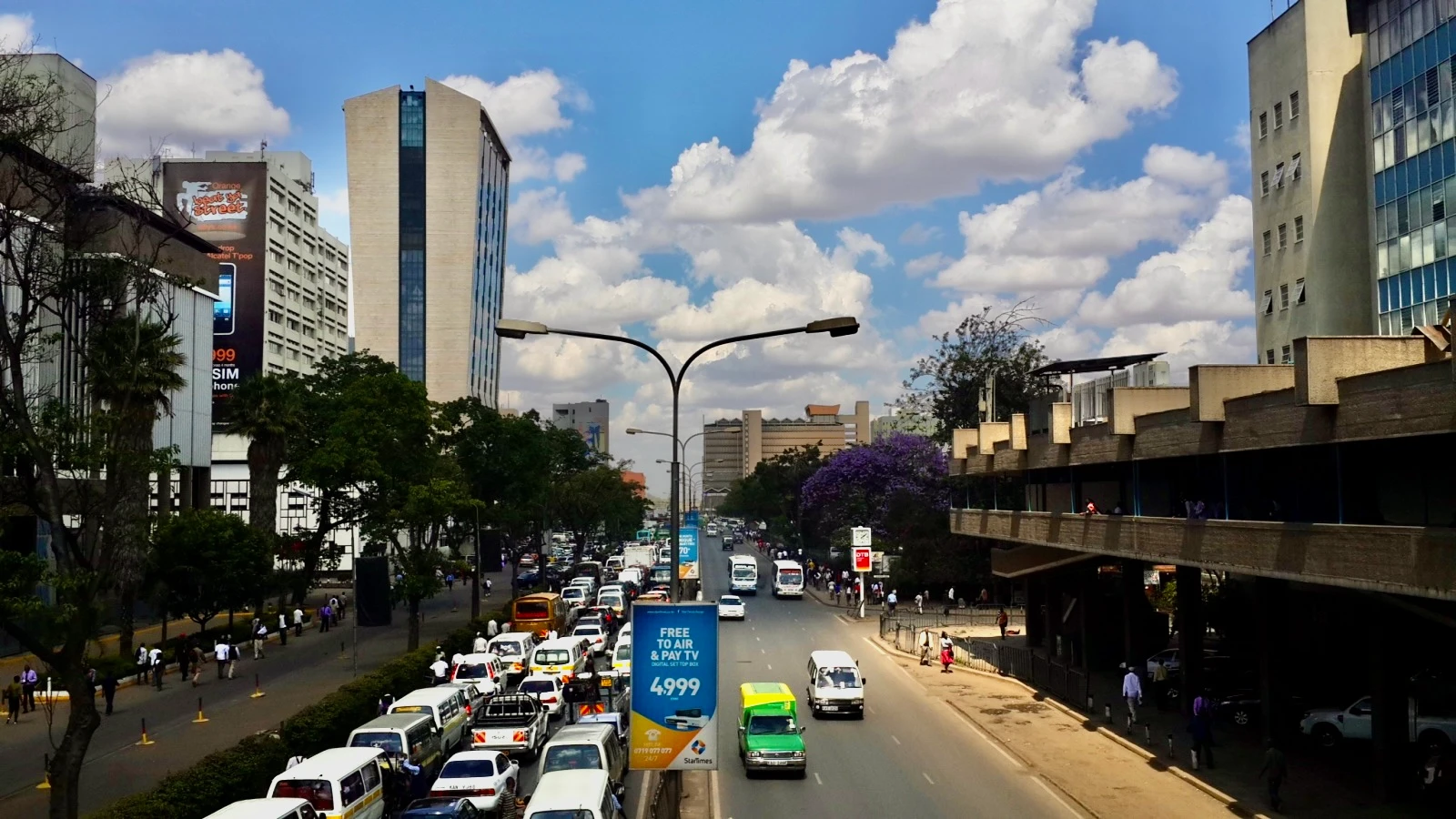
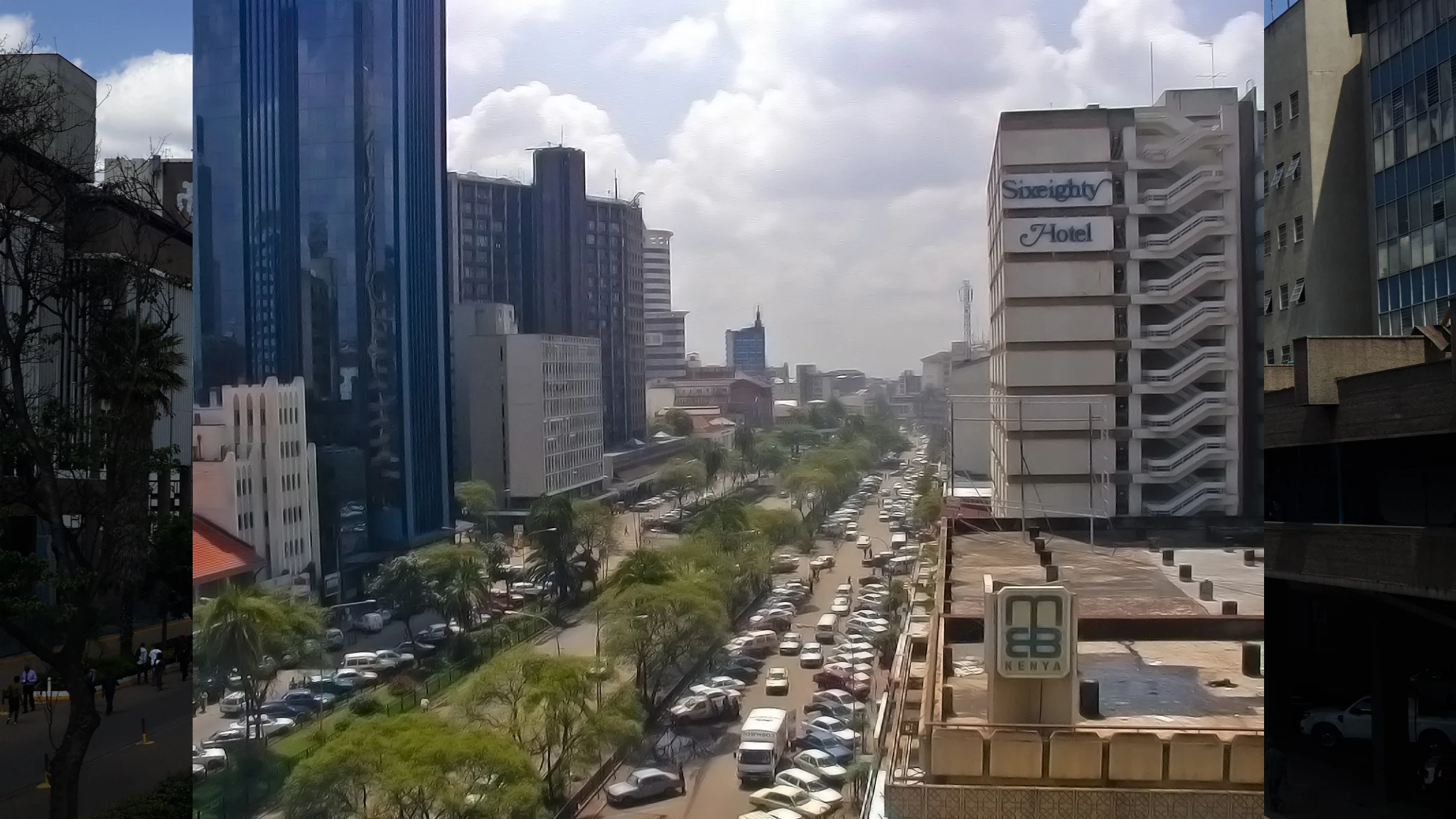
Nairobi has boomed for years, and you can see it in every direction. Apartment towers keep rising. New clusters keep gaining weight. Money keeps pushing outward. The city has become far more vertical, far more polished in parts, and far more ambitious than the Nairobi I first arrived in.
Infrastructure has expanded too. The Nairobi Expressway changed movement patterns in a city that badly needed some new ones.
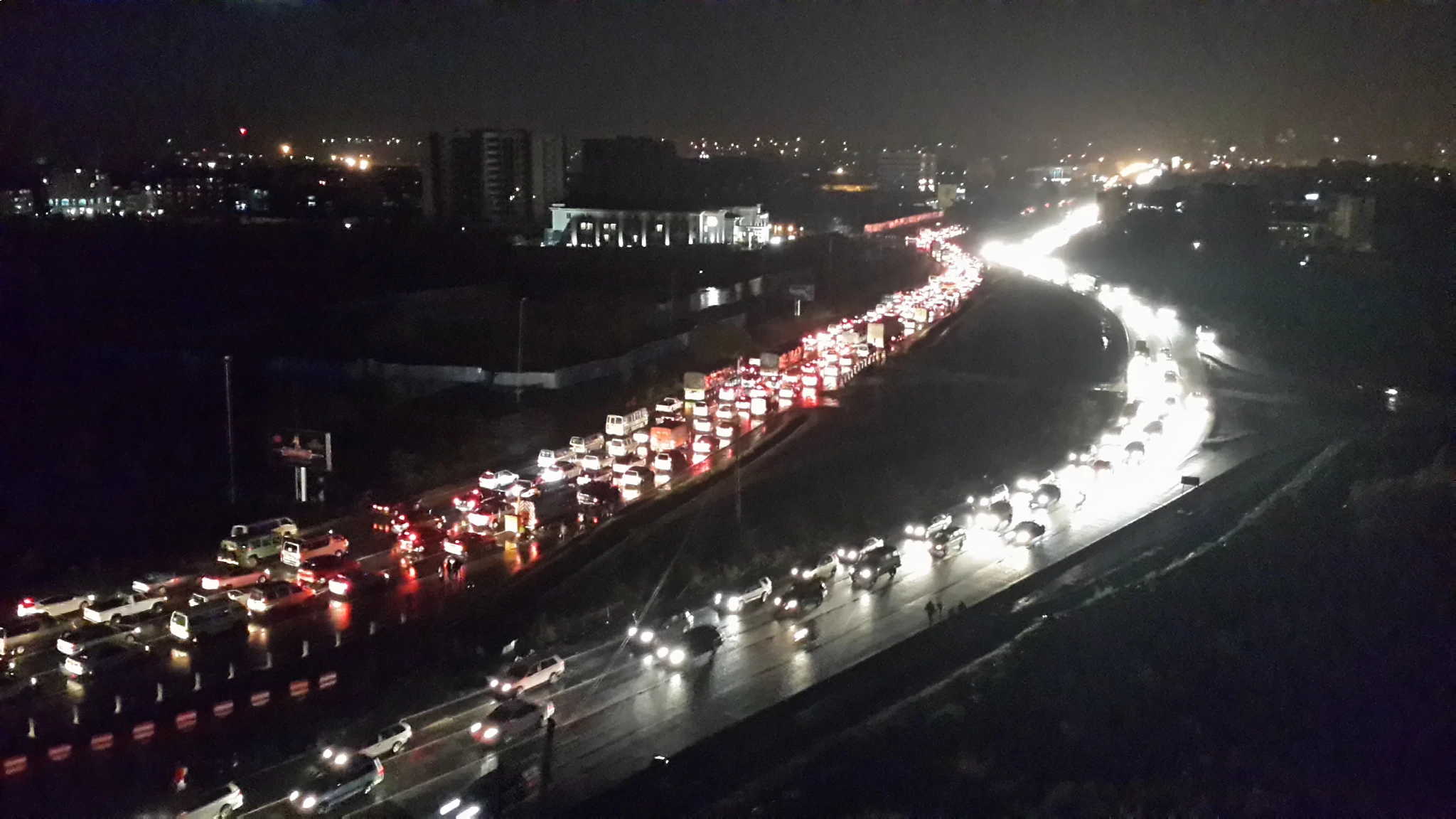
It has not solved Nairobi traffic, obviously. Nothing has. When the jams hit, they still hit hard. Add rain and the whole thing becomes even less civilised. Matatus force possibilities into non-existent gaps. Bodas move as if road markings were optional decoration. Private motorists, many of whom were never exactly calm to begin with, become even more inventive. Nairobi traffic is still not for the faint-hearted. Then again, a lot of the city never was.
The less glamorous side that drives the city
Nairobi has malls, restaurants, nightlife, new towers, guarded compounds, and a level of convenience that can feel almost ridiculous. But that is only one side of the city. The other is the labour that keeps all of it moving, and it cannot be separated from the rest.
The cheap Uber across town. The motorbike delivery at your door in 10 or 15 minutes. The bar, restaurant, salon, supermarket, car wash, apartment block, office, and construction site that all seem to run at speed. None of that happens without a large workforce doing hard jobs for little money.
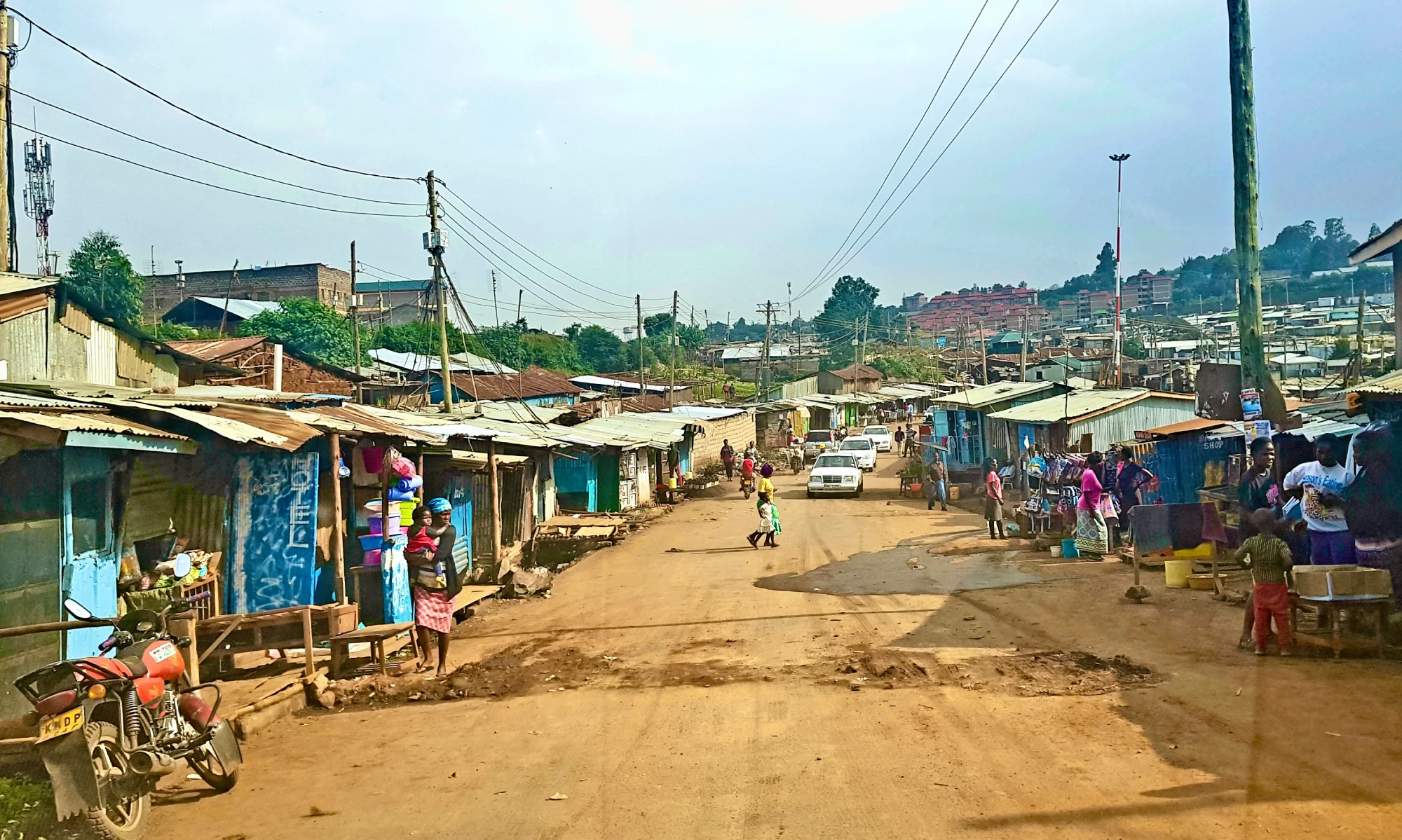
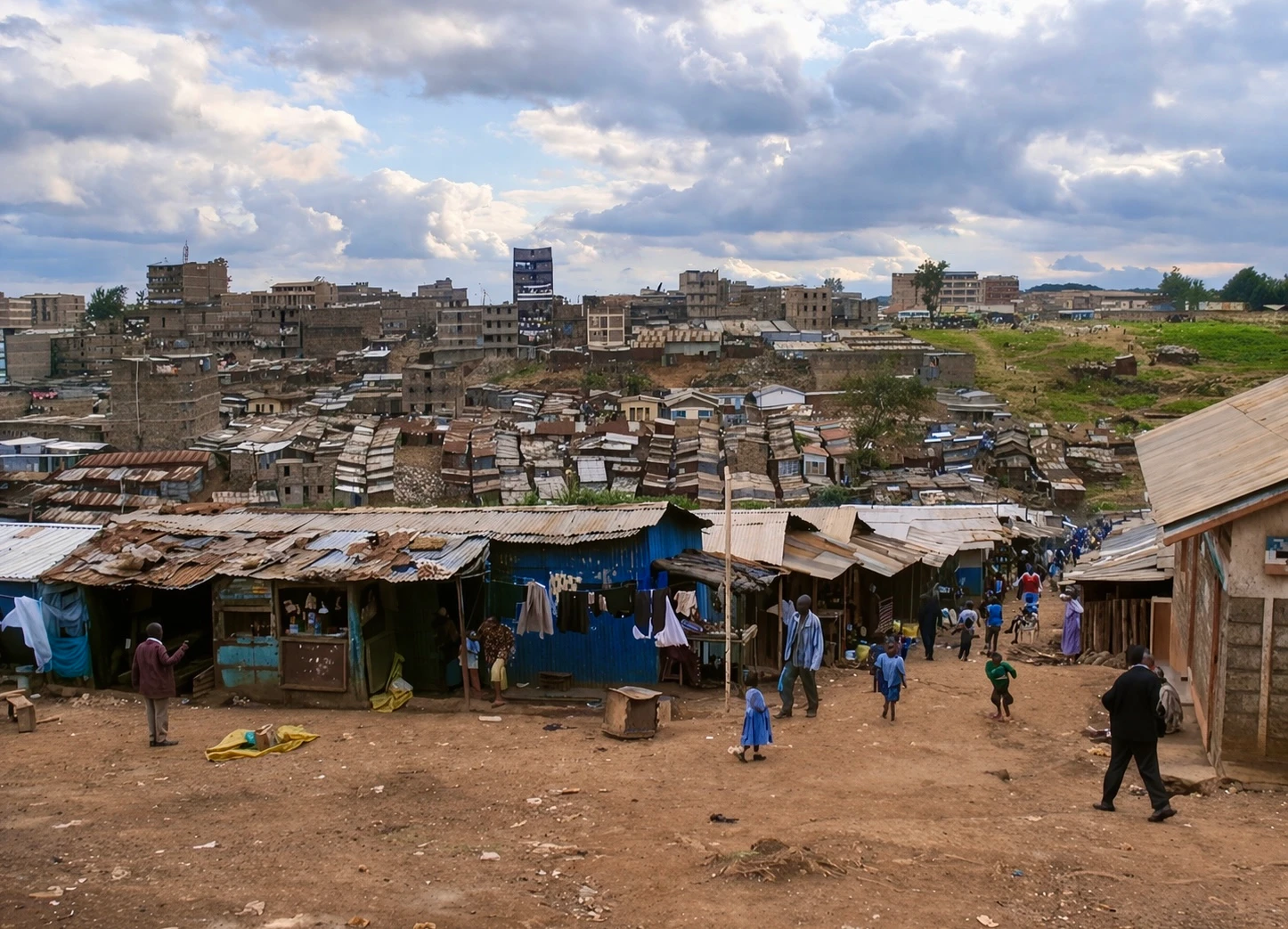
And yes, Nairobi still has slums. Large ones. Kibera has long been described as the largest, or one of the largest, in Africa. Kawangware, merging into Kangemi on the other side of town, is another city within the city, with a far less polished reality. Then there’s Mathare, once clearly visible from Thika Road, now screened off by apartment blocks and offices. The poverty is still there. It’s just less exposed from the road than it used to be.
That does not mean these places are just pockets of despair. People there have jobs. Mostly. In that sense, these settlements are often less about total destitution than about cheap housing for young people trying to get by, keep working, and move up if they can. There is also some real improvement. The slums are shrinking, bit by bit. Where corrugated iron once dominated the view from Thika Road, Langata Road, and the Nairobi-Nakuru highway, more permanent buildings now stand in parts of the same landscape.
Still, let’s not pretend conditions are fine. Behind some of those newer facades, life is still rough. Dirt roads. Mud when it rains. Bad drainage. Poor sanitation. Overcrowding. Hard lives. The slum upgrading programmes that moved more aggressively under Kibaki have slowed, but affordable housing is becoming more available, and the city is changing. Just not fast enough, and not deeply enough, to change the reality that this less glamorous side is not separate from the Nairobi people come to enjoy. It is part of the same machine.
Easier to stay than to leave
The old Nairobbery nickname has not disappeared from memory, but it no longer defines the city the way it once did. Some common sense is still advisable. It is still a big city. There are still places and moments where you don’t act foolishly. That much should be obvious. But daily life here is no longer built around fear. It is built around movement, routine, work, meals, plans, family, friends, weekends, and all the ordinary things that make a city liveable.
And that’s the part many people underestimate before they arrive. Nairobi can be an extremely attractive city to live in. Kilimani, Kileleshwa, Lavington, and Westlands keep pulling in residents who like space, restaurants, nightlife, malls, convenience, and decent apartments within reach of daily life.
A lot of expats come to Nairobi. Fewer than expected want to leave. You notice that more and more now. People arrive thinking they are passing through. Then they build a routine. Then a circle. Then a life. Before they know it, they are assimilated Nairobians.
For me, that happened a long time ago. That’s why I keep returning.