
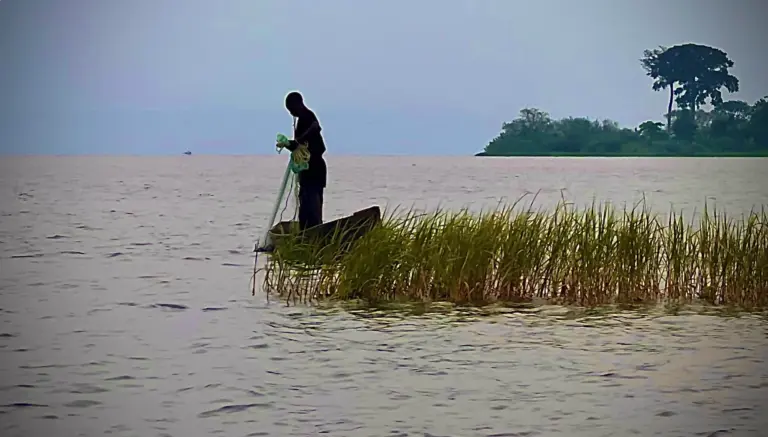
Jinja is mainly known as the town at the source of the White Nile, and also as the activity capital of Uganda.
This is the town most people associate with the source of the White Nile. More precisely, the river leaves Lake Victoria here and starts this stretch as the Victoria Nile, before running through Lake Kyoga, crashing through Murchison Falls, reaching Lake Albert, and only then continuing north as the White Nile on its journey to Egypt. But in travel terms, Jinja is still the Nile source town, and that is a serious thing for any place to have attached to its name.
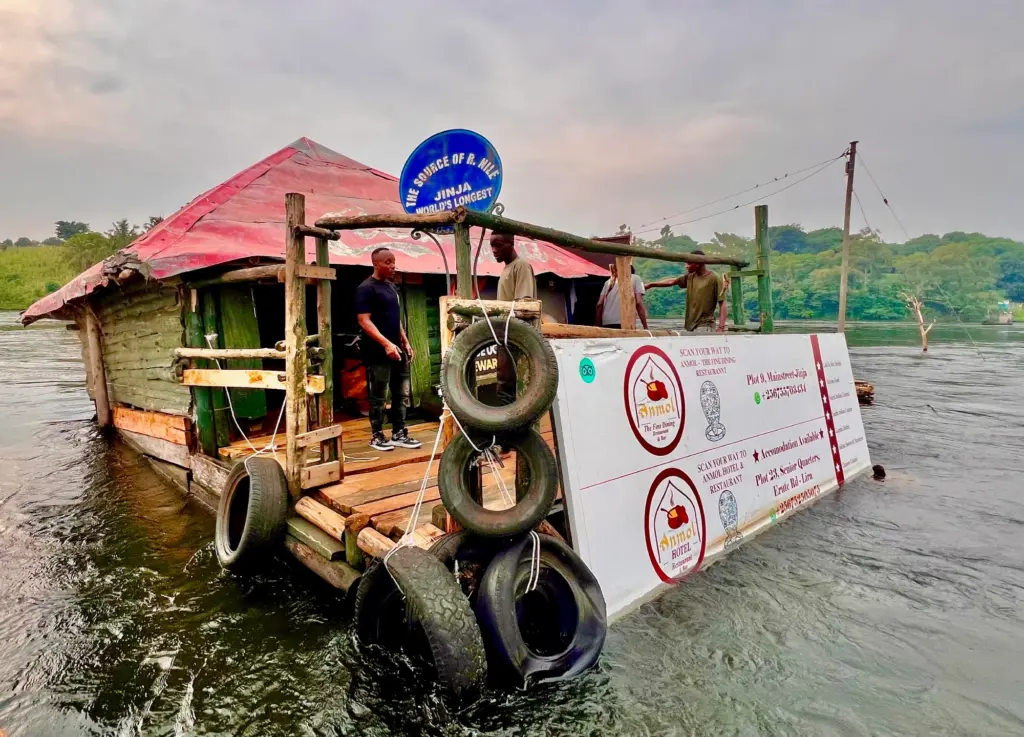
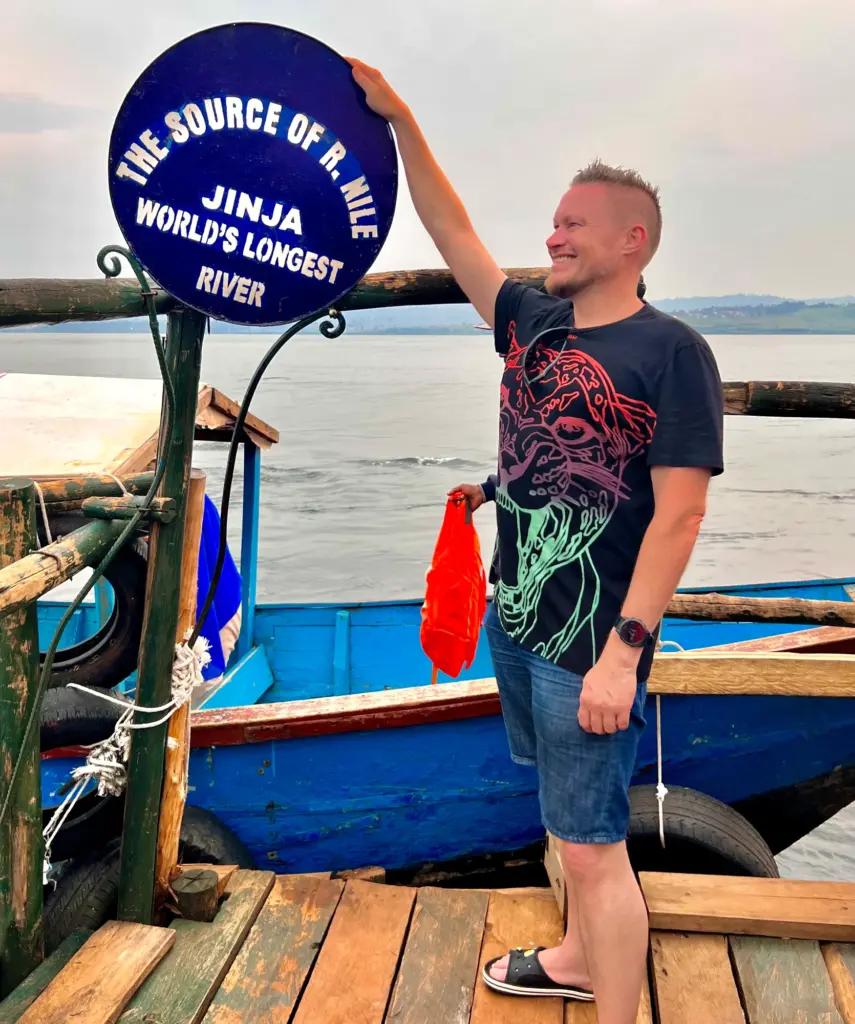
Today, the spot is marked by the blue circular Source of the Nile sign, with a floating souvenir shop attached to it. It is a slightly funny setup for a place of such geographic importance. Big river. Big history. Blue sign. Souvenir stall bobbing beside it.
The name Jinja comes from Ejjinja, meaning rocks in Luganda. That referred to the rapids that used to be here, later called Ripon Falls by the British. Those rapids disappeared under the water when Owen Falls Dam was built in 1950, so the original feature that gave Jinja its name is gone. The river story is not.
What you’ll find here
A town planned and designed by the British
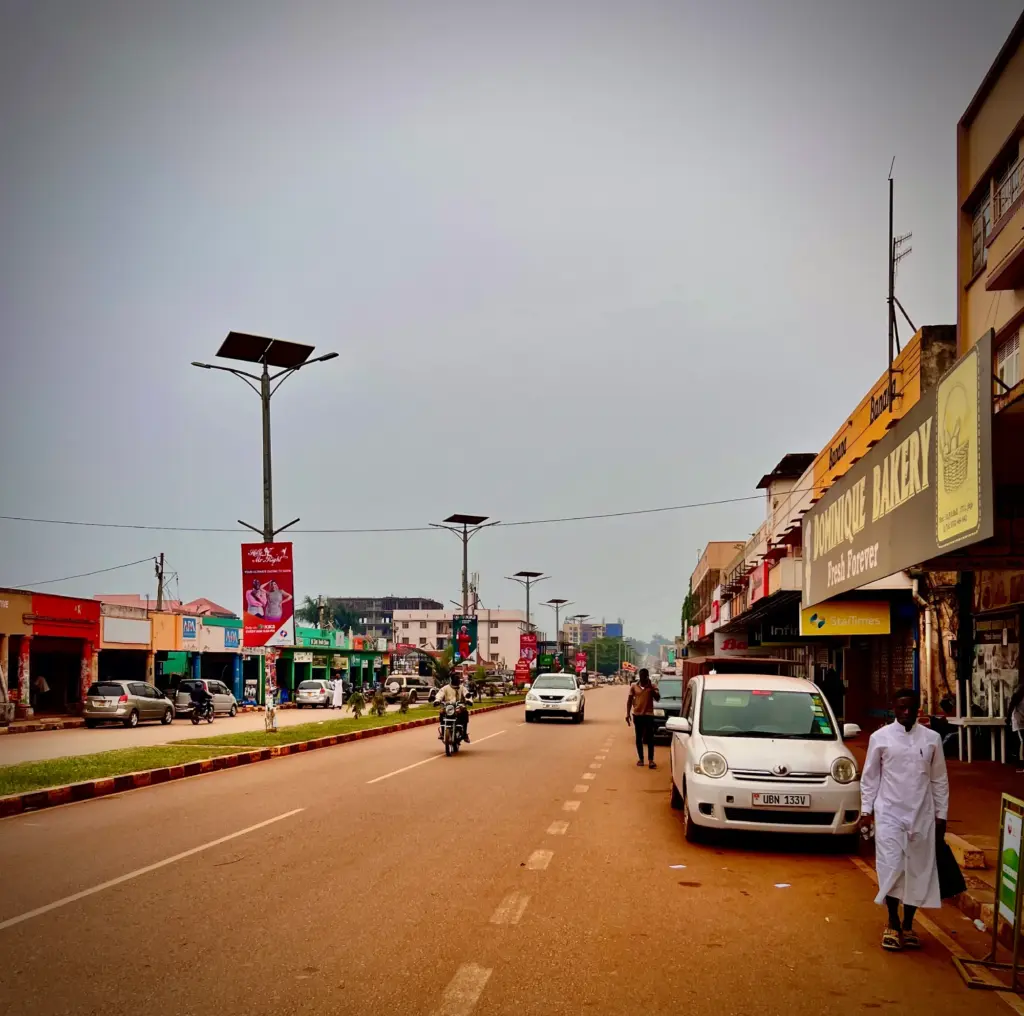
Jinja was founded by British settlers in 1901, and you still see that very clearly. Straight roads. Rectangular blocks. A street network that feels planned instead of improvised. In parts, it almost feels like someone dropped a small European town plan into Uganda and then let East Africa take it over properly.
That gives Jinja a slightly unusual feel. It has more structure than many towns around here, but it does not feel stiff. There is still plenty of movement, street life, traffic, small businesses, noise, and the usual East African mix of order and chaos negotiating with each other all day.
Uganda’s adventure town
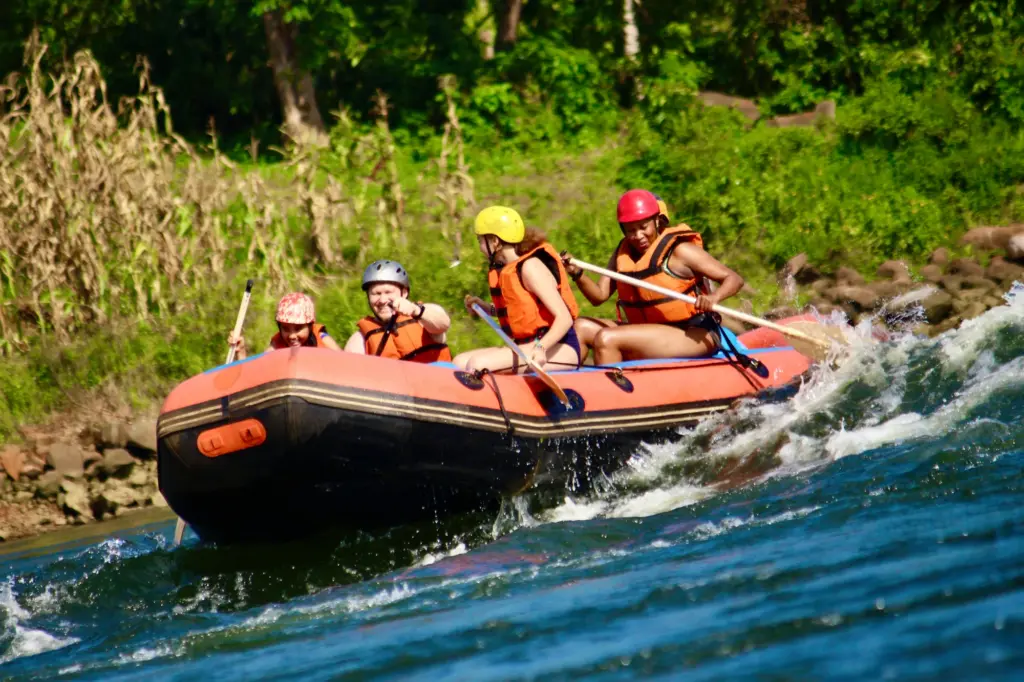
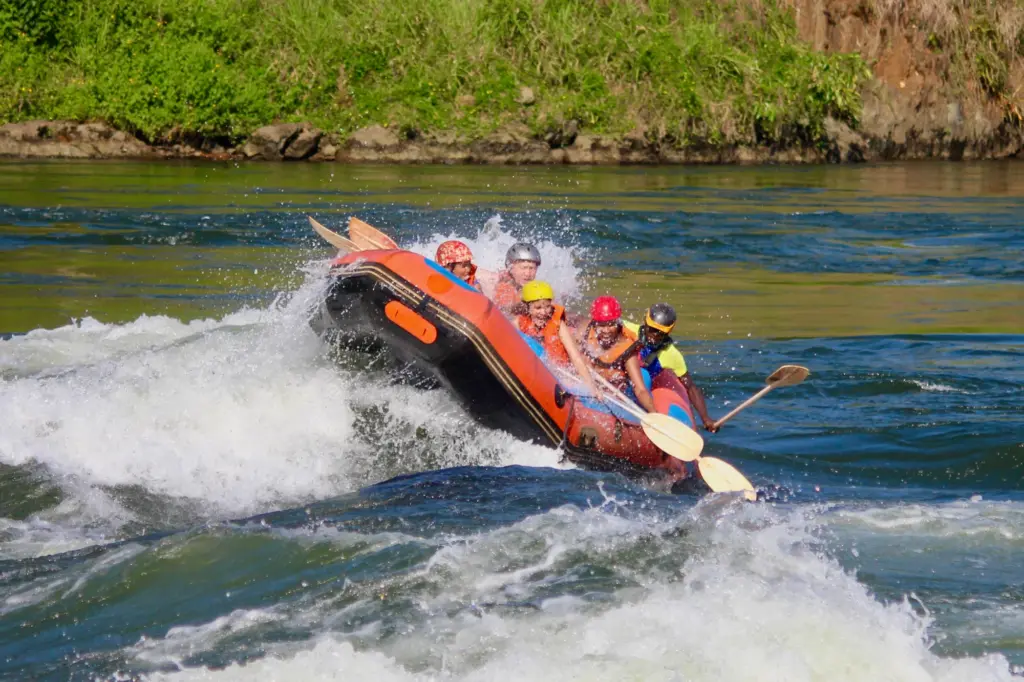
Jinja is Uganda’s go-to place for activites and adrenaline experiences. Unsurprisingly, most of that is centered around the Nile.
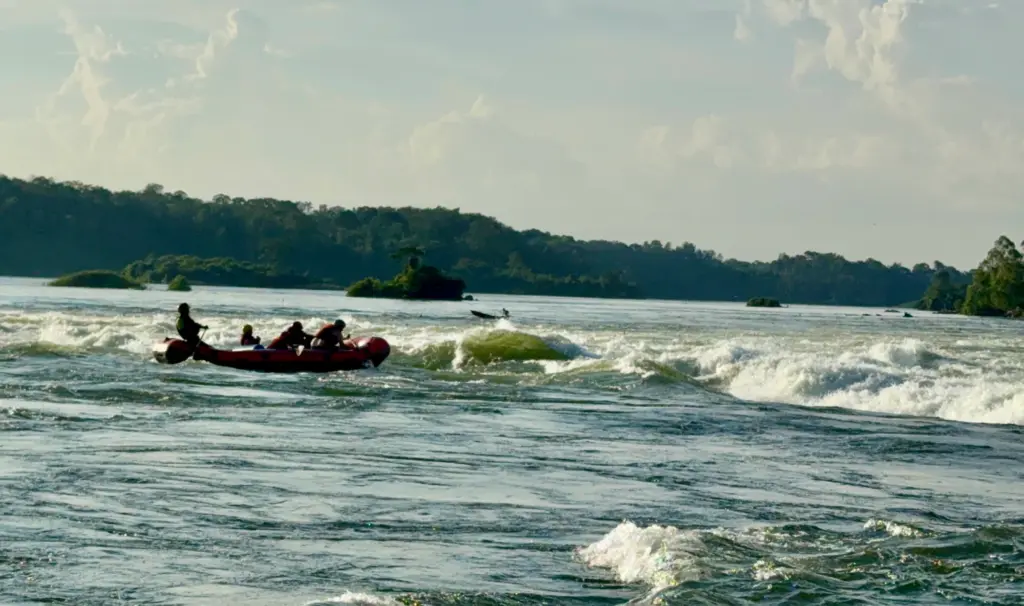
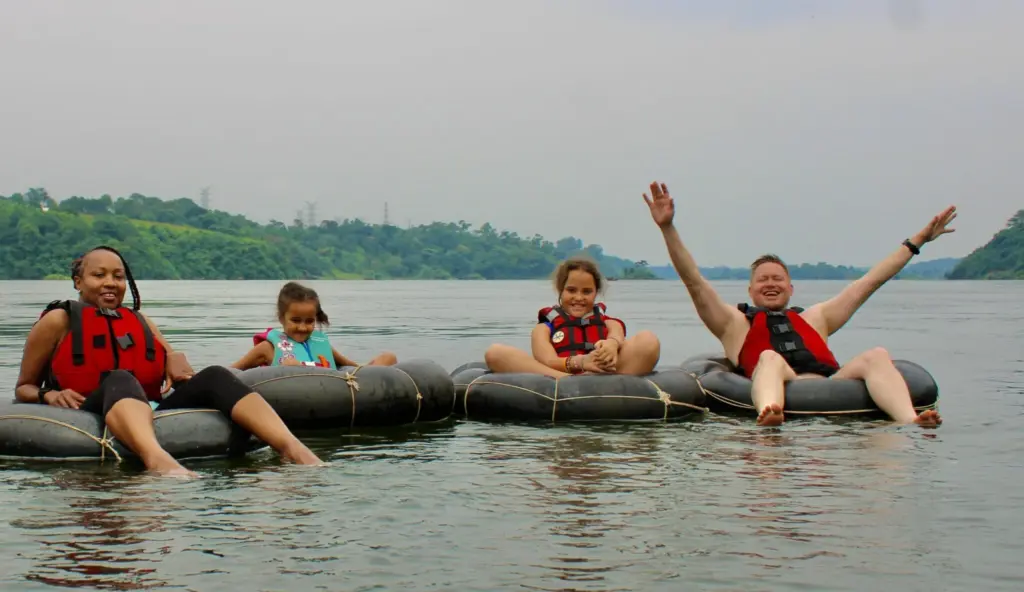
White-water rafting is an obvious headline act. Tubing is another good one. Bungee jumping is there too, at more than one site. This is not one of those places where the word adventure gets thrown around just because there is a hill nearby and someone rents out bicycles. Jinja has the real thing.
One useful detail. Do not book rafting or tubing through your hotel, some agent in town, or a tour operator marking up the price by orders of magnitude for the privilege of making one phone call. Reach out to the operator directly. Rafting is around USD 45 if you do. Tubing a bit less. Go indirect, and the price becomes silly very quickly.
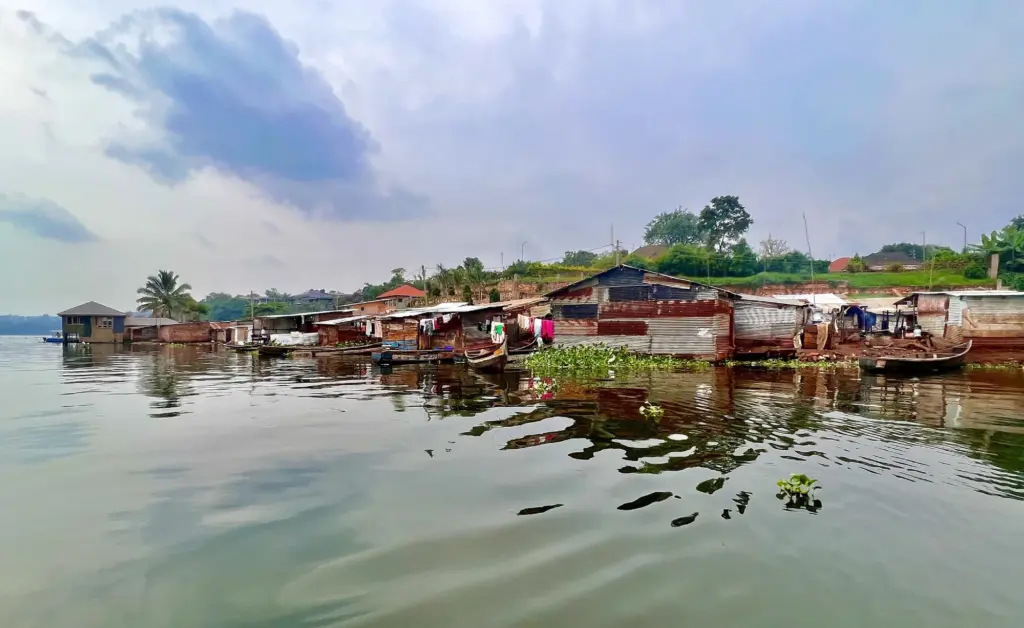
What Jinja has done better than most towns in the region is actually use its river. That should be obvious, but it really isn’t. Plenty of places sit next to excellent natural assets and barely do anything with them. In Jinja, half of the local economy is built around the Nile,
Do the sunset cruise, but do it properly!
A Nile sunset cruise is one of the obvious things to do in Jinja, and for once the obvious thing is not overrated.
The light softens, the river opens up, the banks start changing colour, and everything slows down just enough to remind you why people keep coming here. It is simple, scenic, and very worth doing.
But ask one question before you get on the boat: can it go past the Railway Bridge?
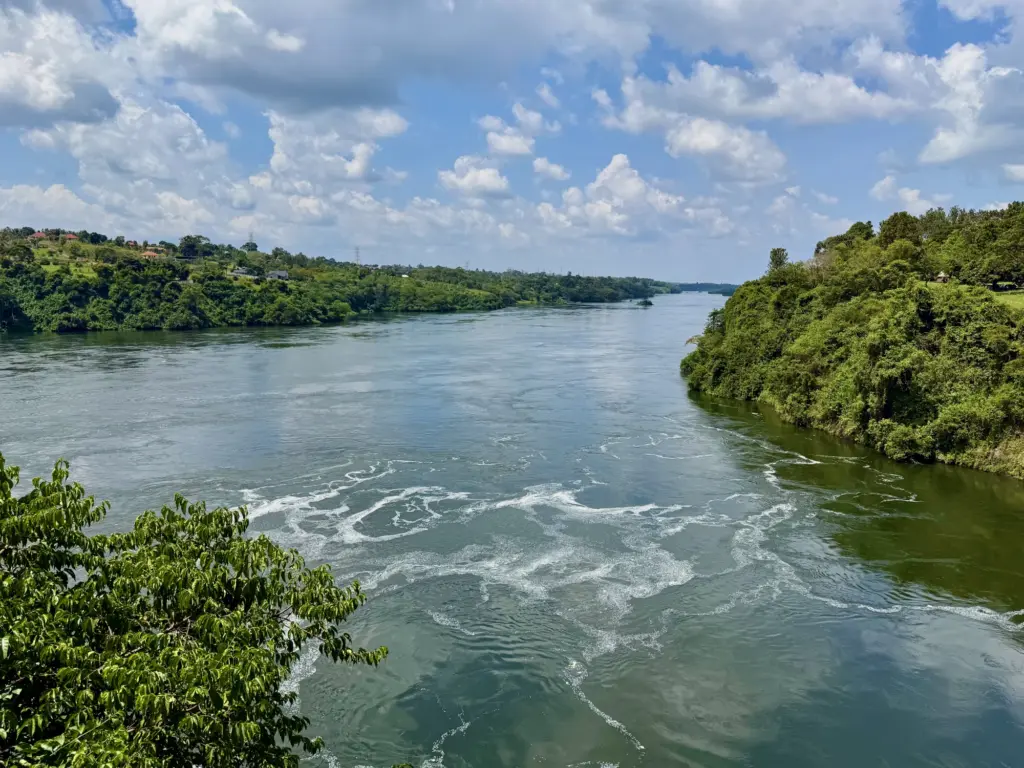
Not all boats can. The current is strong, and some engines are simply not powerful enough. That is pretty important because the best chance of getting a proper shot of the Nile Bridge is from a boat that makes it beyond the railway bridge. The bridge has become the new icon of Jinja, and from the water it looks far better than it does from land.
Trying to photograph it from land is usually more hassle than it is worth. Security is tight, and police are often very suspicious of people hanging around taking pictures there. The easier move is to get on the right boat in the first place and confirm with the captain that the engine can handle it.
Jinja’s louder side
Jinja also has Nyege Nyege, one of the biggest festivals in Africa and easily one of the most talked-about. It is not some neat little music weekend with a few nice lights and safe playlists. It is a full sensory overload. Huge crowds, heavy sound, wild energy, and some of the most progressive electronic and Afro-house leaning music anywhere on the continent, with the scale growing year by year.
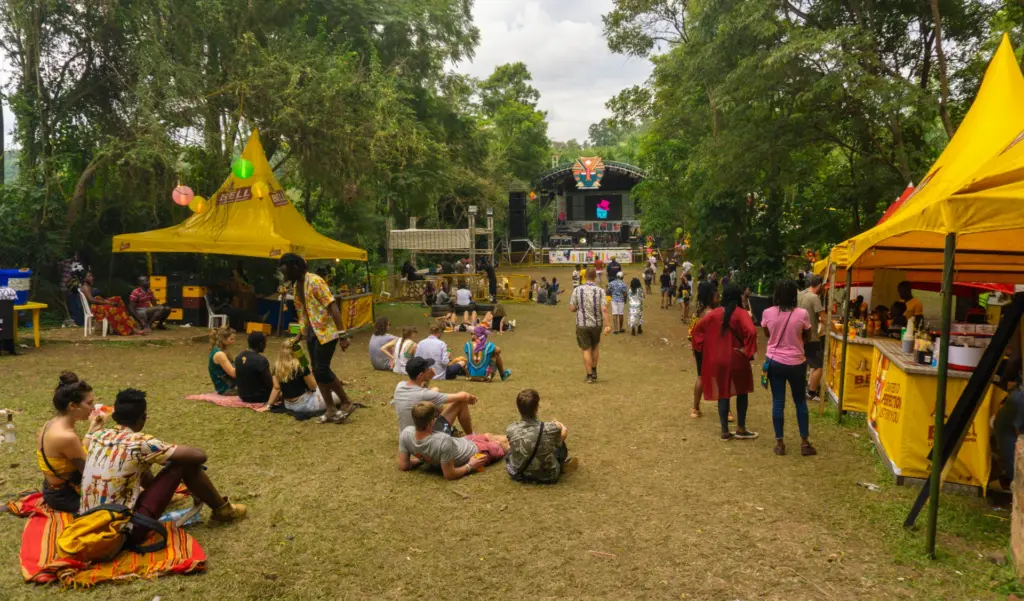
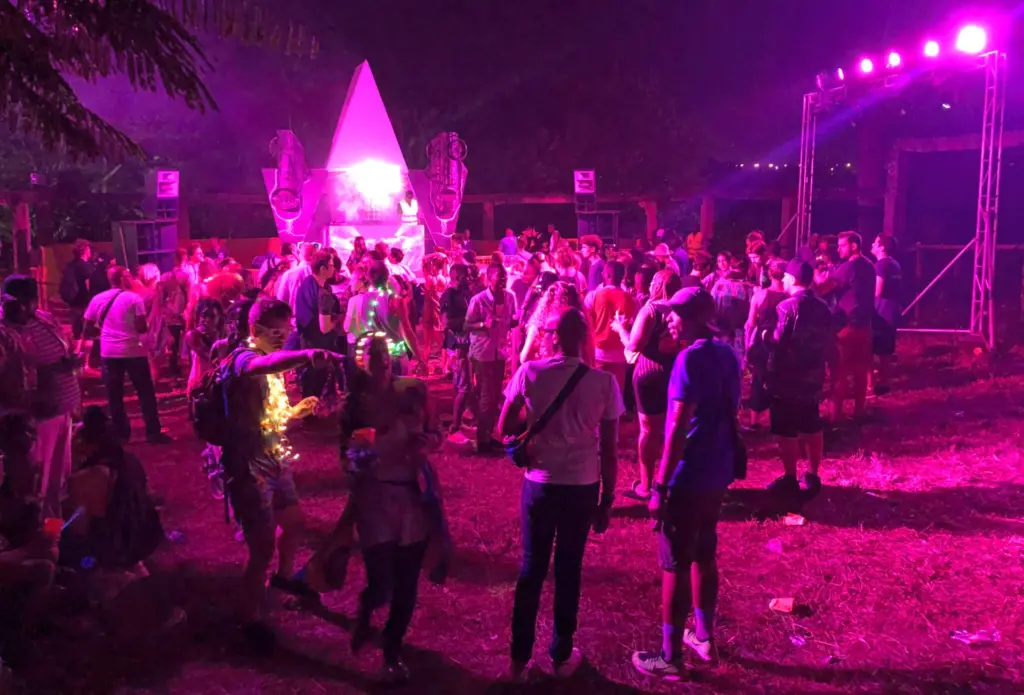
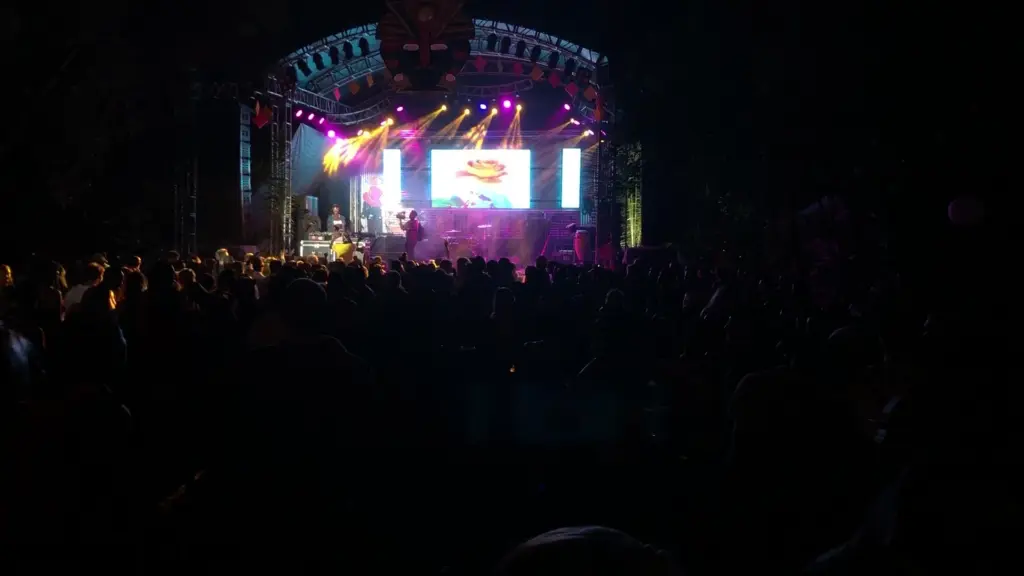
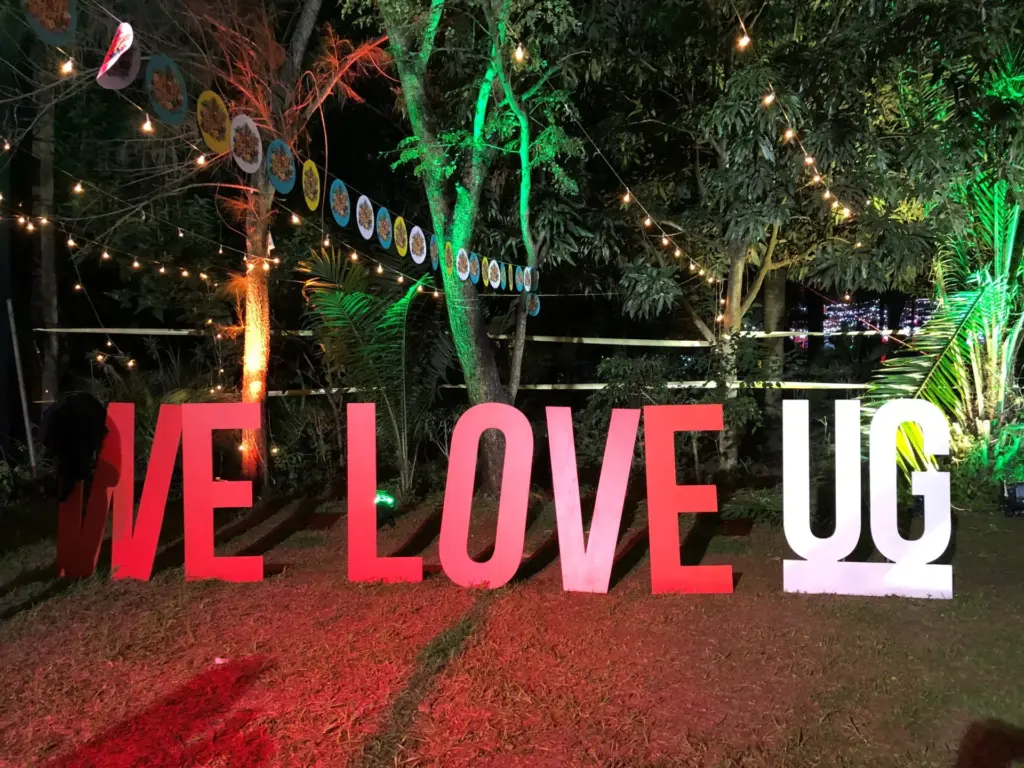
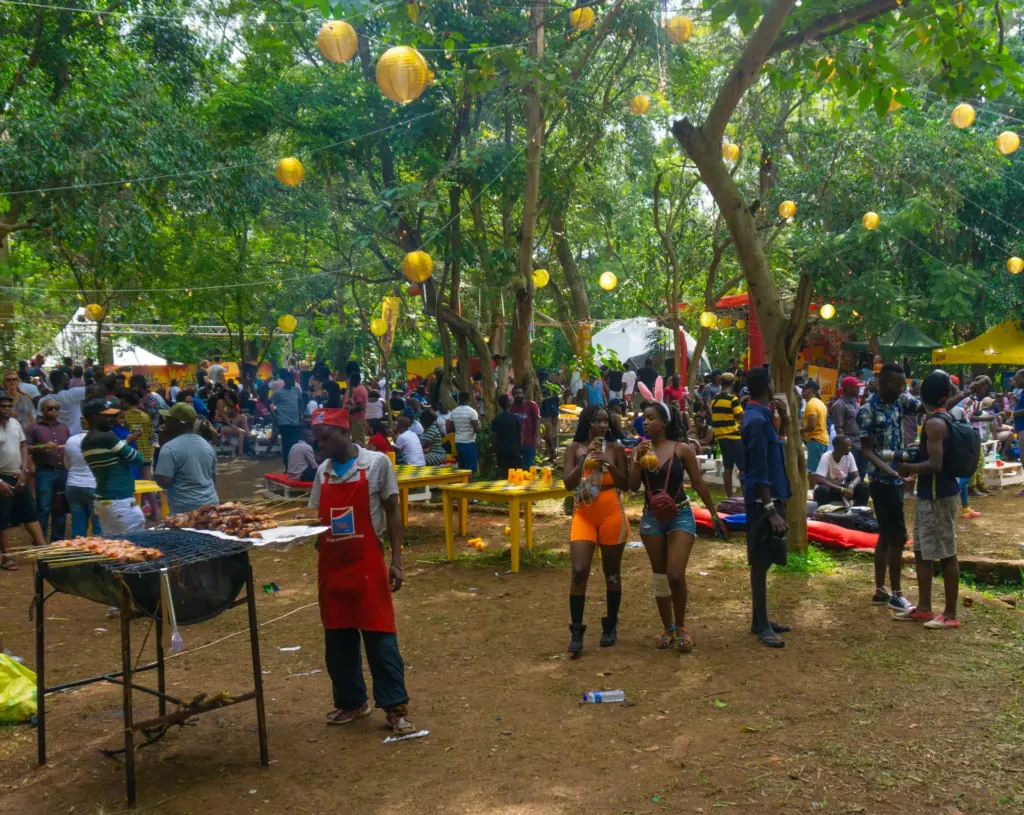
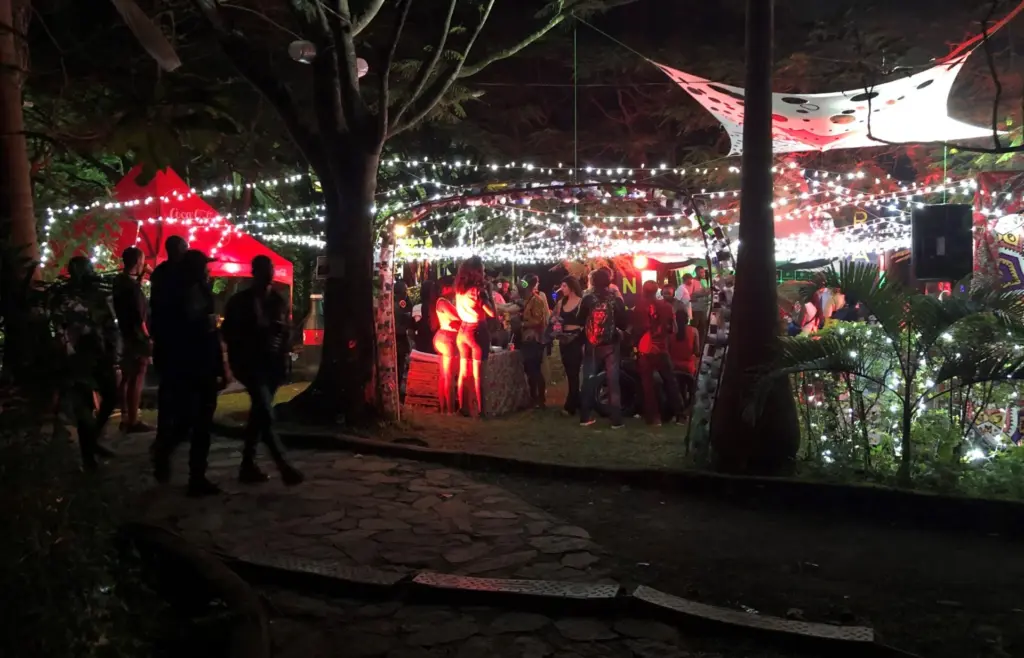
It has also had conservative forces in government trying to stop it more than once, accusing it of promoting immorality and promiscuity. That battle has almost become part of the festival itself. Again and again, Nyege Nyege has proved stronger than the moral police. The outrage flares up, the warnings come out, and then the festival returns with more people, more noise, and more momentum than before.
That says something about Jinja too. For all the river cruises and resort terraces, there is also a louder, younger, less obedient side to the place.
Jinja is more than rafting, tubing, bridges, and bars.
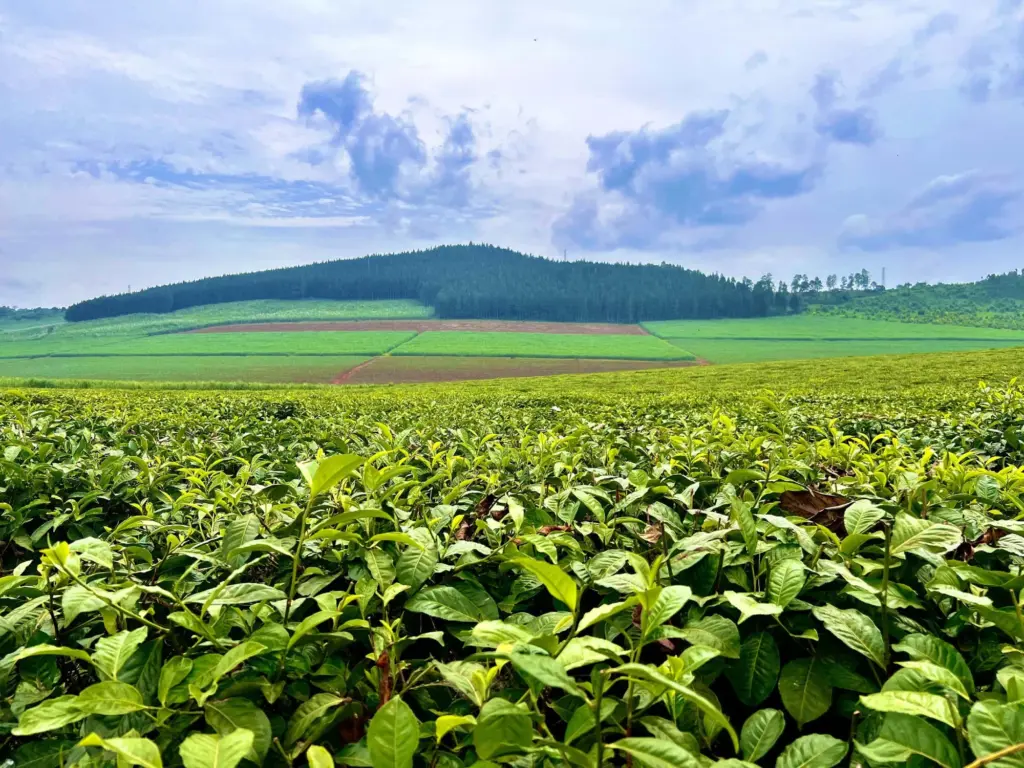
Mabira Forest gives you a very different day out nearby. Hiking, Griffin Falls, ziplining between the treetops, thicker forest, cooler air, and a proper shift of scenery from the open river landscape. It is close enough to combine easily with a Jinja stay, and different enough to stop the place from feeling one-dimensional.
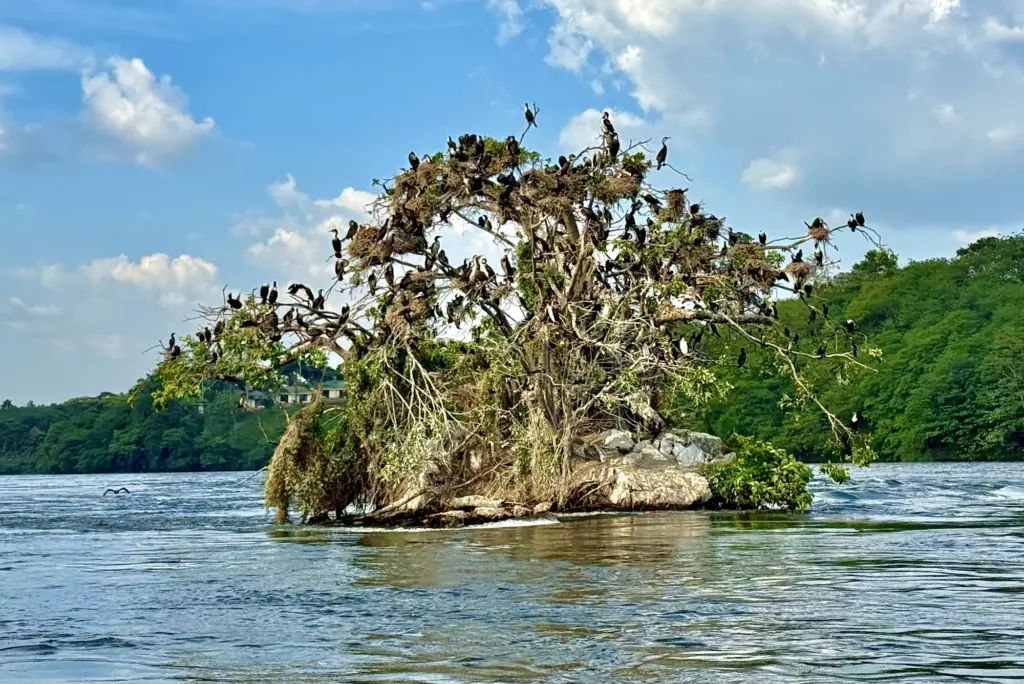
There are also other trails, waterfalls, rapids, and bits of scenery in the wider area that get much less attention than the Nile activities. Jinja does not need every corner turned into a branded attraction.
Hotels, restaurants, and a town shaped by the river
The number of hotels around Jinja keeps growing, especially along the lakeshore and riverbanks. Some are simple and functional. Others are more polished. A few are properly luxurious, especially around the rapids and the more scenic stretches of the Nile. Jinja has enough range in accommodation to appeal to backpackers, weekenders, package tourists, and people who prefer their adventure from a terrace with a drink in hand.
Food is decent. Not amazing. Just decent. Jinja Sailing Club is famous and scenic. The food is okay, but the vast green lawn running down to the lake helps a lot. All Friends does good pizzas, which is already enough to stand out in a town still short on proper culinary heavyweights.
Then there’s growing number of hotels, bars, and restaurants along the riverbanks. In Jinja, the river is part of the town’s layout, its social life, and its tourism economy. That should not be unusual, but around this part of the world it often is not done especially well.
Jinja is not just a source sign, a bridge, and the usual headline attractions. The town is built around the river, and the tourism economy is building around it too.