
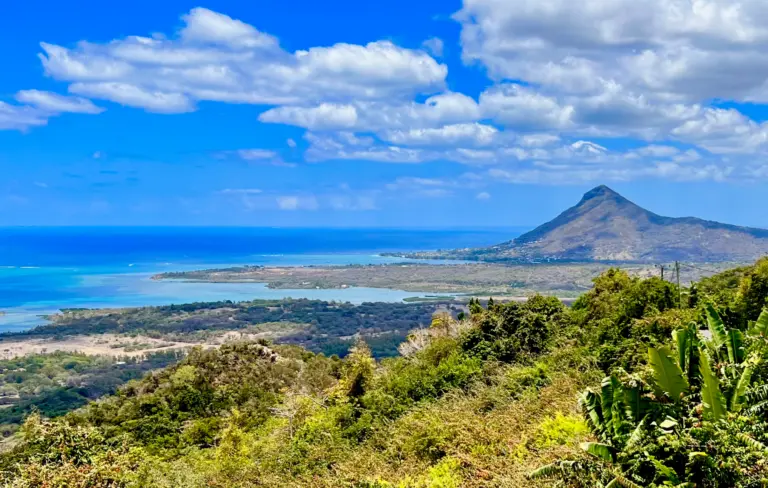
Mauritius has the sort of beauty that can make a place look almost suspicious.
Mauritius is almost absurdly good-looking. Clear water, clean beaches, sharp interior peaks, and a level of polish that can make the place feel slightly unreal at first.
And yes, that version exists. Obviously.
Mauritius feels different from, say, Zanzibar. Less rough-edged. More polished. More put together. Zanzibar has more old Swahili weight sitting out in the open. Mauritius has more finish. Not better or worse. Just a different sort of Indian Ocean island. A bit more groomed. A bit more composed. A bit less likely to smell of old stone, seaweed, and centuries of trade.
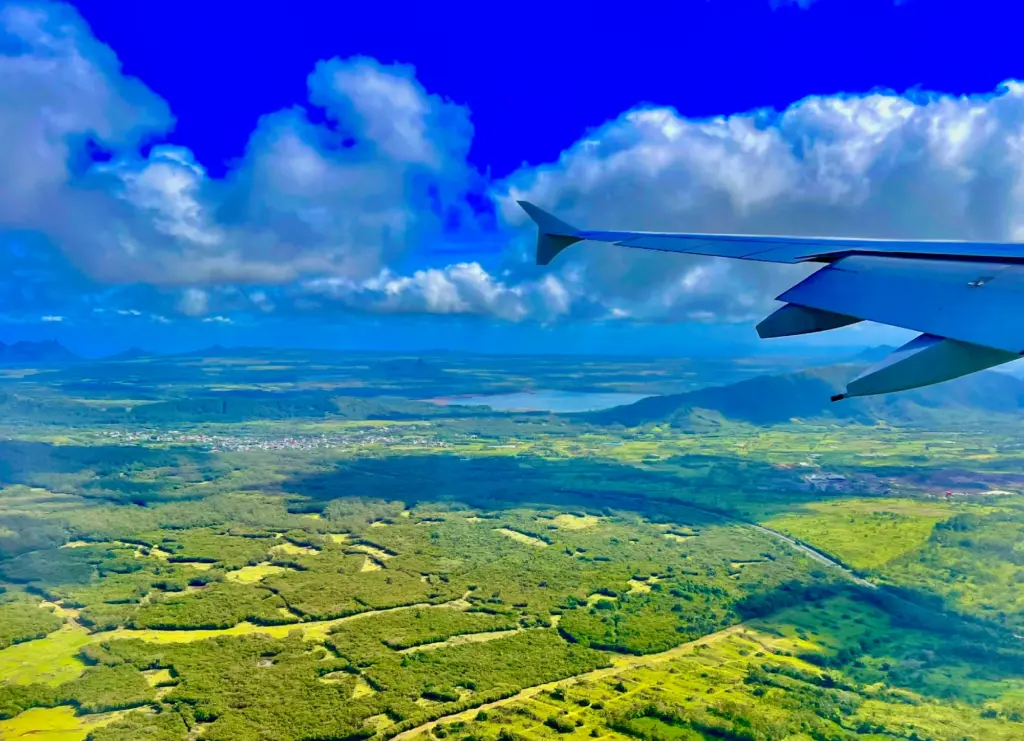
But Mauritius gets even better once you get behind the polished surface a bit. Once you leave the conference hall, rent a car, miss the famous underwater-waterfall flight, and start driving. That is where the island begins to feel less like a luxury ad and more like a real place. Winding roads, volcanic scenery, harbours, seafood, expensive coastlines, marina gloss, odd little detours, and views that seem slightly excessive even by island standards.
That is the Mauritius I’m interested in. Not just the polished beach version, but the one you get by moving around a bit.
What You’ll Find Here
Mauritius was technically a work trip.
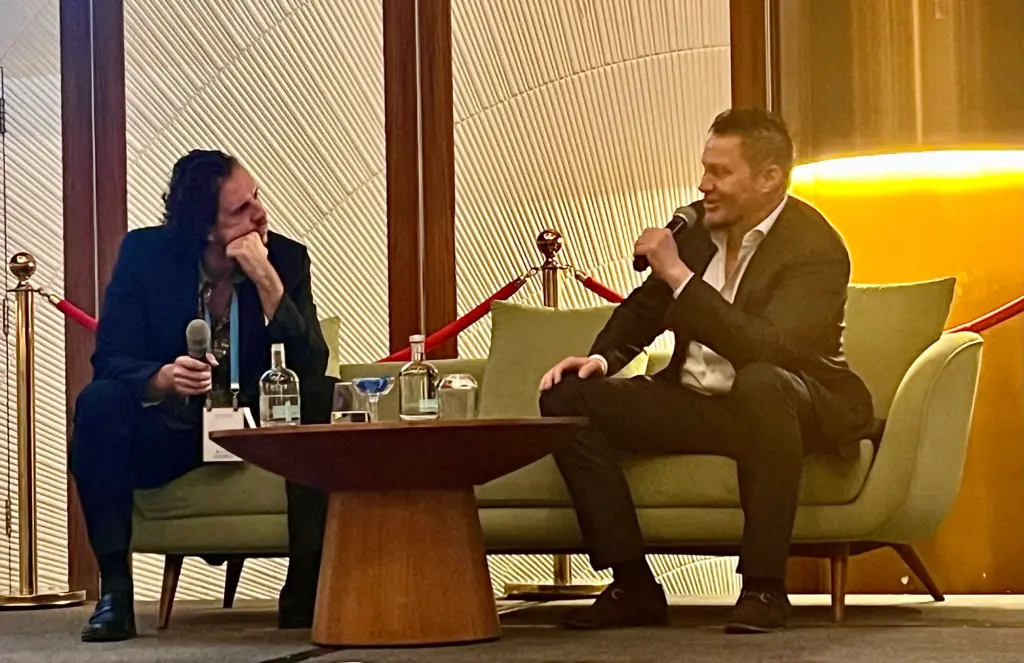
That was the official reason, anyway. I was there in November 2024 for the Africa Wealth Summit. That meant conference halls, suited people, family-office conversations, and the sort of financial seriousness that always makes me want to get outside as quickly as possible. So once the speaking bit was done, I did the sensible thing and rented a car.
My grand plan had been to see the island’s famous underwater waterfall from the air. That failed nicely. The small flight slots were fully booked well in advance. The kind of information that’s more useful before you arrive than after. So the underwater waterfall got away, and Mauritius became a road trip instead. Probably for the best. Islands are often more interesting at steering-wheel level anyway.
Off I went to tick off the boxes on the “Mauritius, been there, done that” list. It is not exactly a long list, to be honest. In between, I did what I usually do and went looking for the less polished experiences behind the brochure-friendly scenes.
Chamarel, Curves, and the Island’s Wilder Side
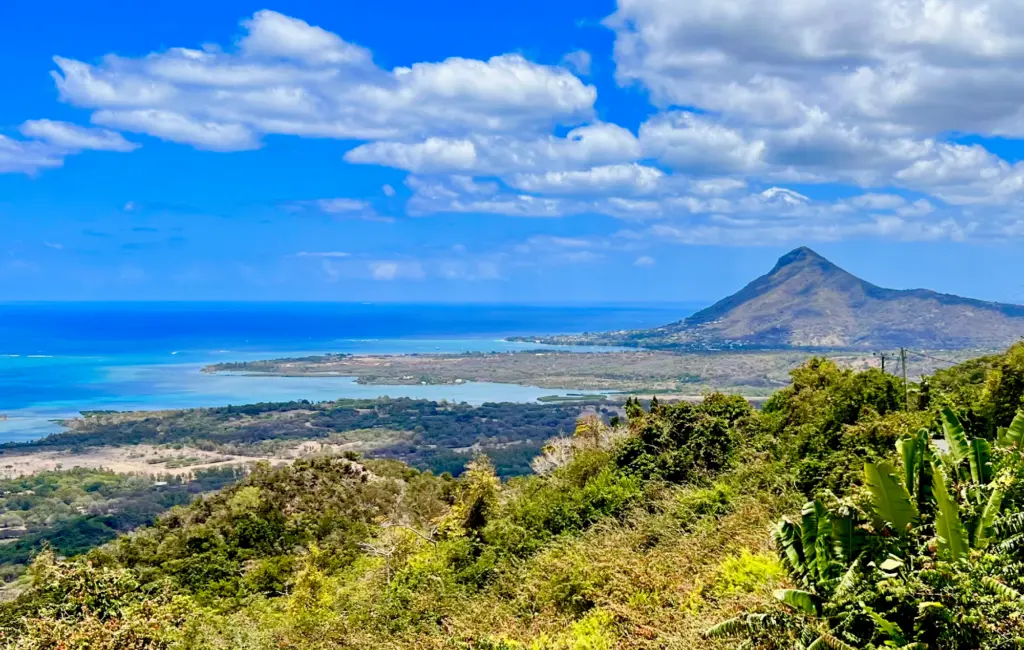
Mauritius is not a big island, but the southwest actually looks and feels different from the north. Less hectic. Less crowded. Less of those narrow, winding, congested roads through places where you cannot quite tell whether you are in a village or just some loosely inhabited stretch.
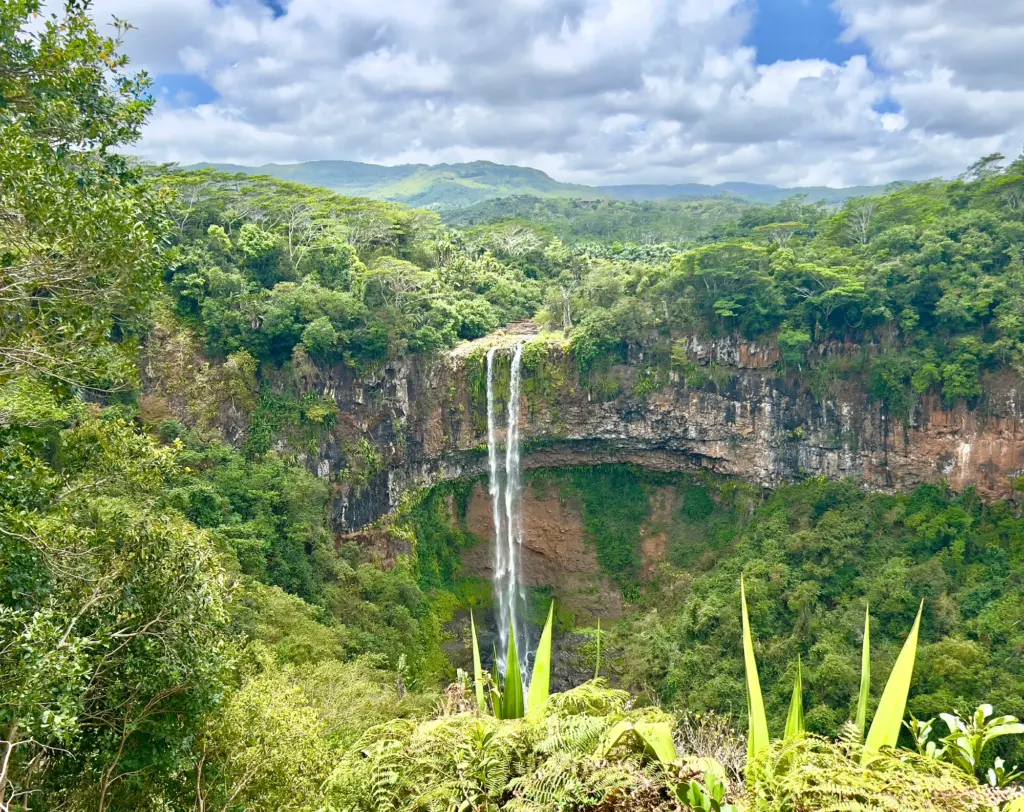
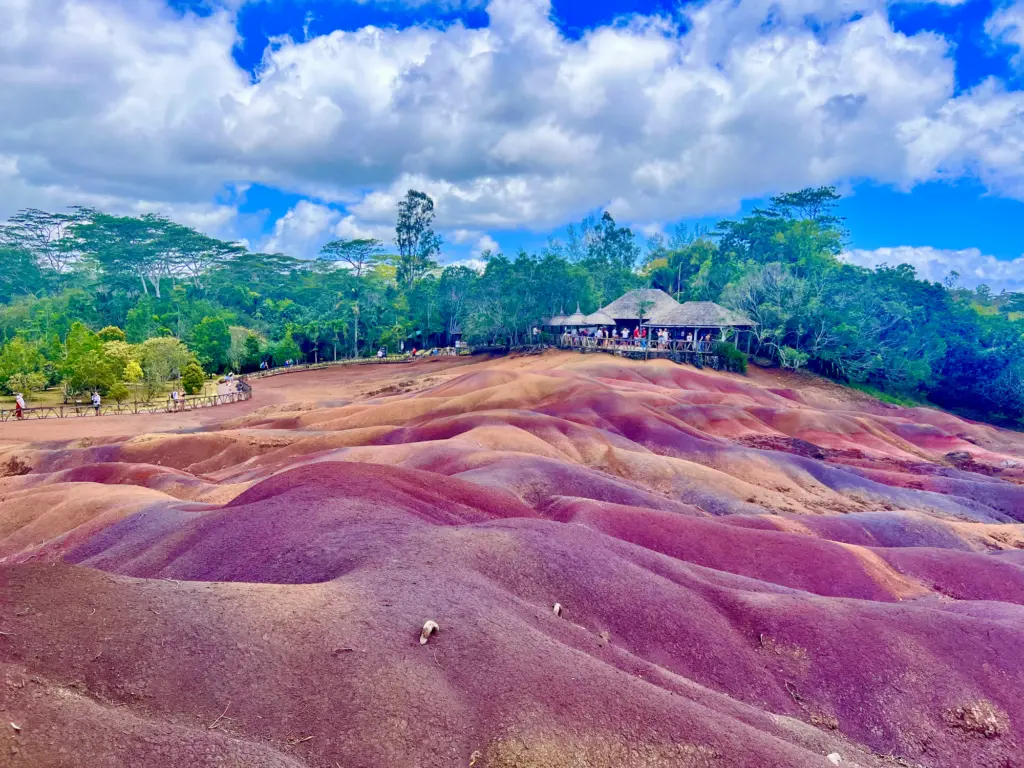
Chamarel is the obvious headline act here. The views reach all the way to the coast, the road winds through the highlands, the waterfall is properly impressive, and the Seven Coloured Earth looks strange enough to avoid feeling gimmicky. It is the sort of landscape that has you pulling over more often than planned, then quietly pretending that was the plan all along.
This is where Mauritius gets wilder and more dramatic. Not the version most people think of first. In the brochures, it’s all beaches and luxury hotels. The interior adds a different layer to the island and changes the overall picture quite a bit.
Beaches, Lagoons, and the Part of Mauritius Worth the Detour
Then there is the part everyone expects.
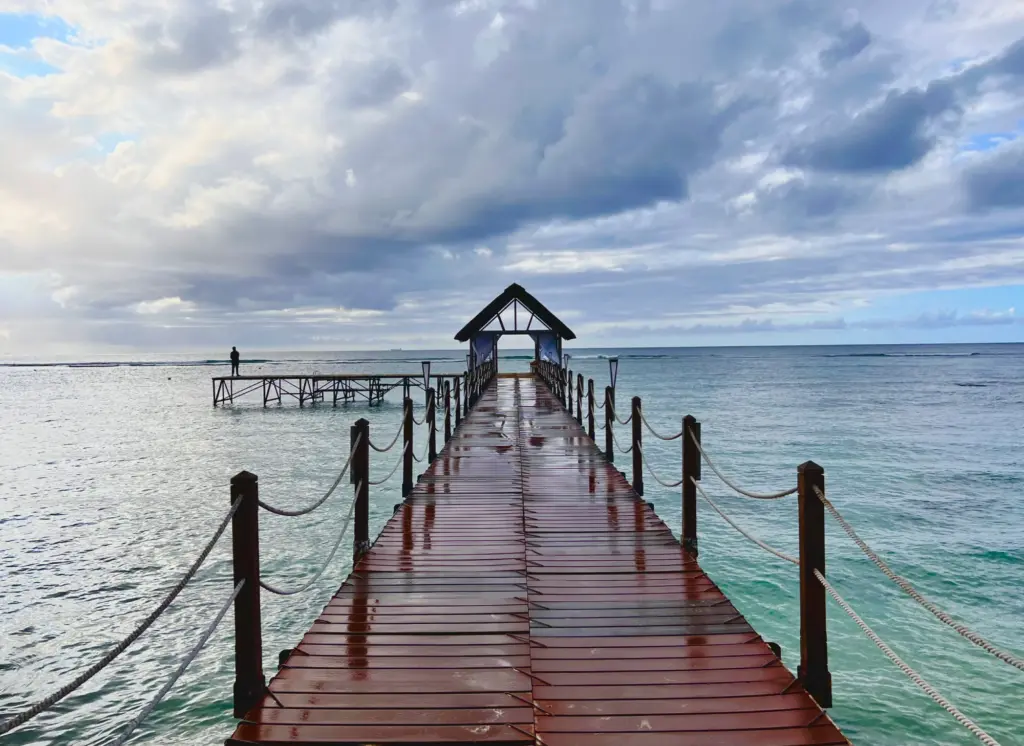
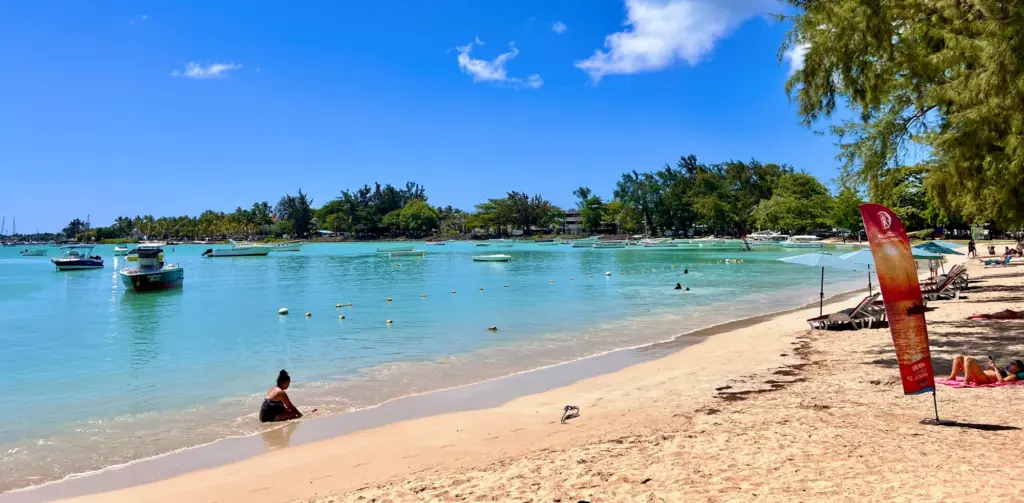
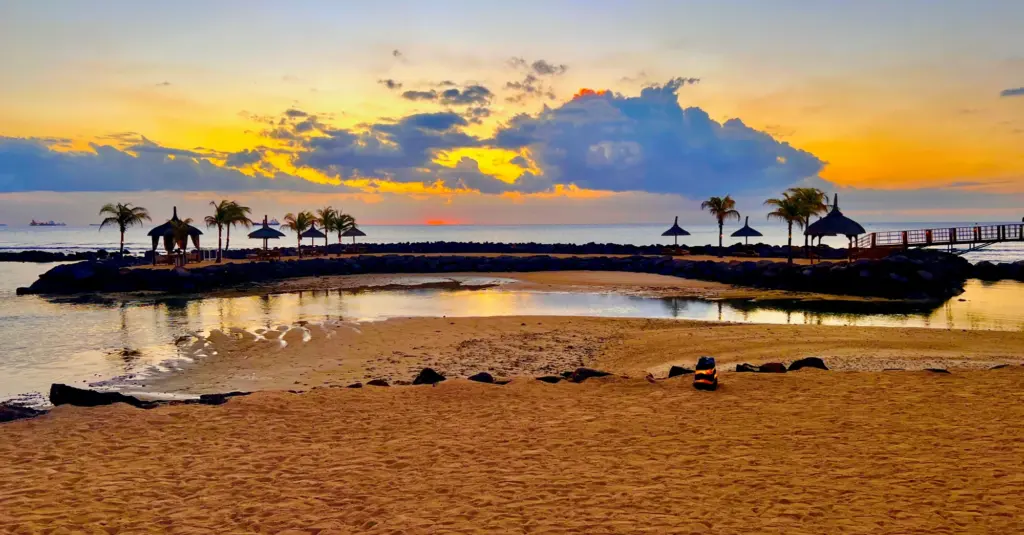
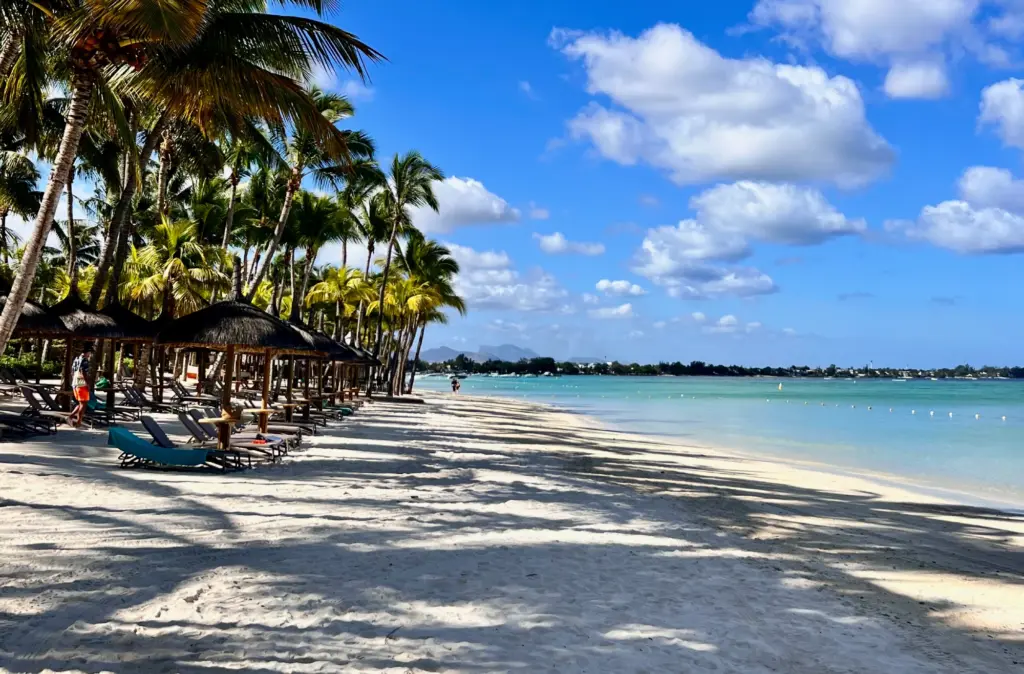
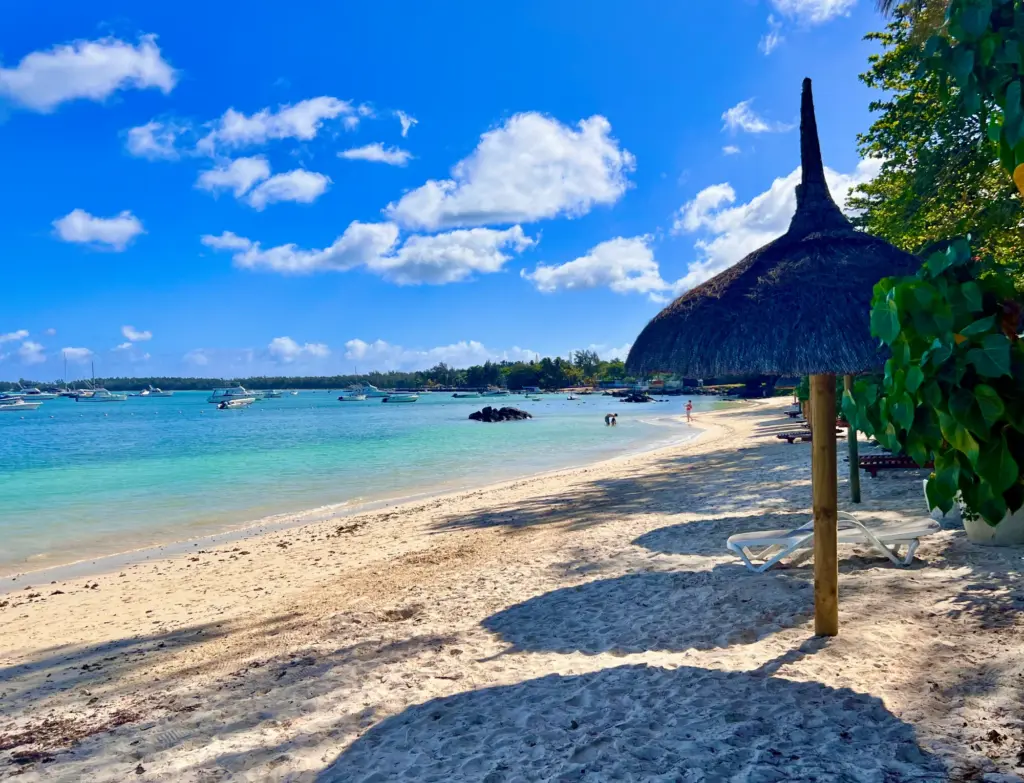
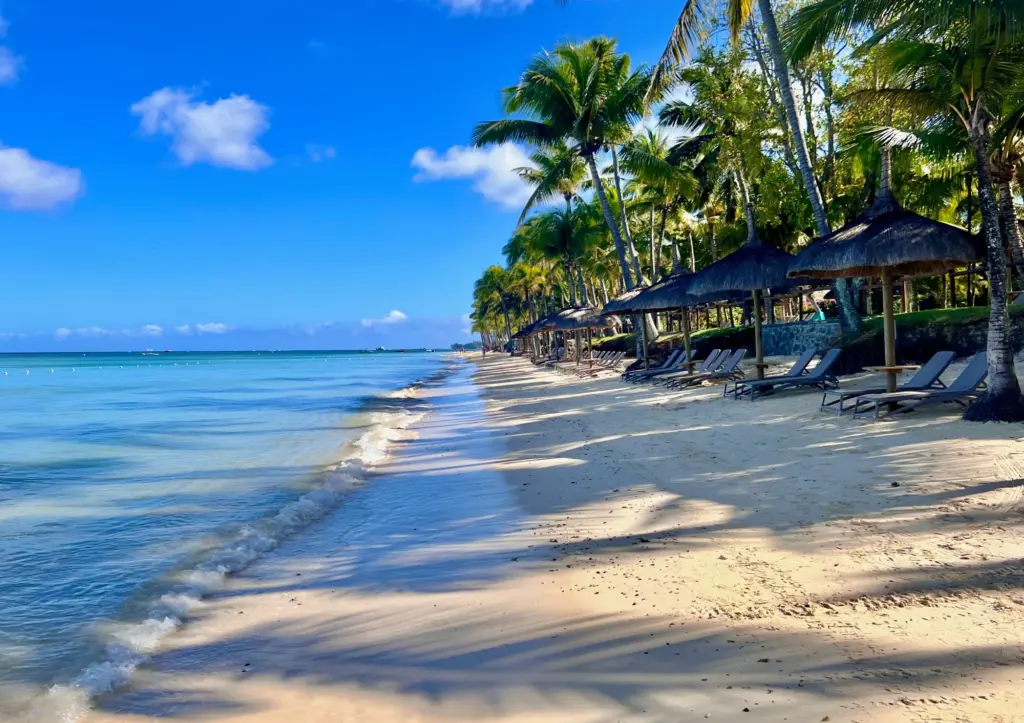
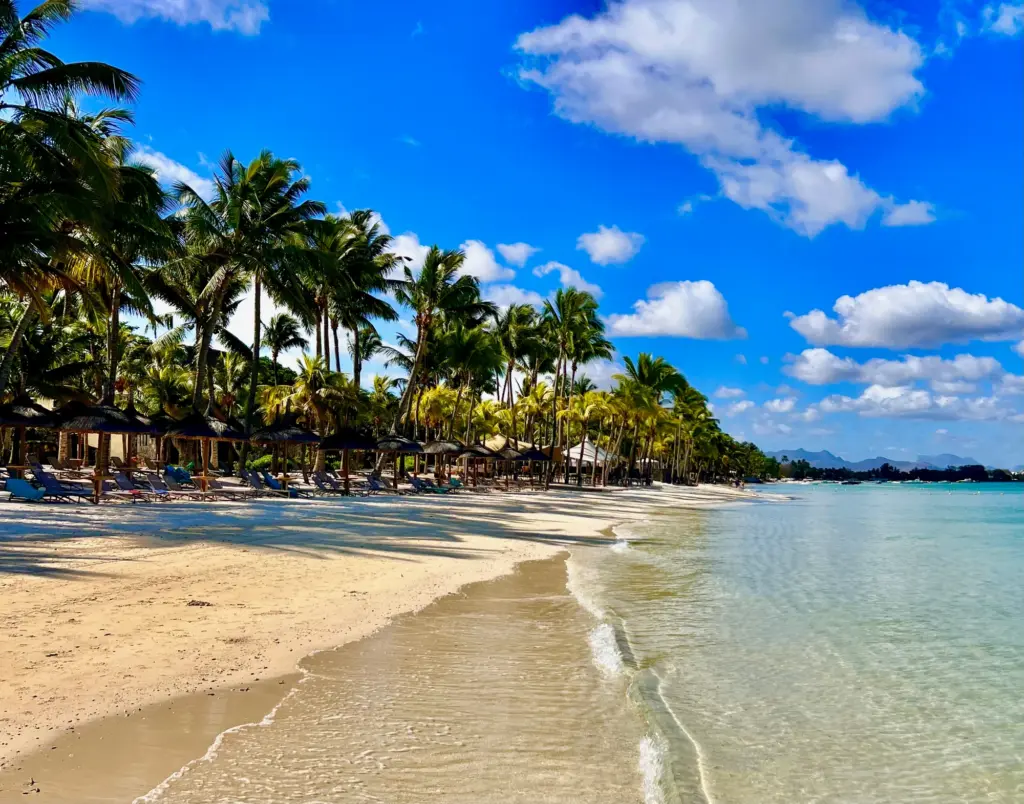
Grand Baie, Trou aux Biches, Balaclava, jetties, calm lagoons, and water so clear it barely looks real. This is the polished side of Mauritius. Not wild. Not remote. Not the kind of place you market as a rough or isolated off-the-beaten-track escape. Just clean beaches, tidy resort strips, calm sea, and all of it done to a very high standard.
Balaclava sits firmly in that resort-heavy version of the island. Beach, palms, soft light, jetty, and a level of neatness that almost looks staged. Grand Baie has the same finish, but with more movement. Something you can actually call a town. Boats offshore, people on the sand, a busier shoreline, and the full north-coast beach-town setup.
Grand Baie also has a retail side that fits that polished image. Plenty of shops sell heavily discounted designer labels. Armani, Paul Smith, Lacoste, DSquared2, and the rest of that bracket. The explanation given is that these are genuine overruns or excess production from brands that manufacture in Mauritius, which is supposedly why they can be sold cheaply on the island. I will leave that there.
Port Louis, Harbours, and the Business End of the Island
Port Louis is where the modern, everyday side of Mauritius comes into view.
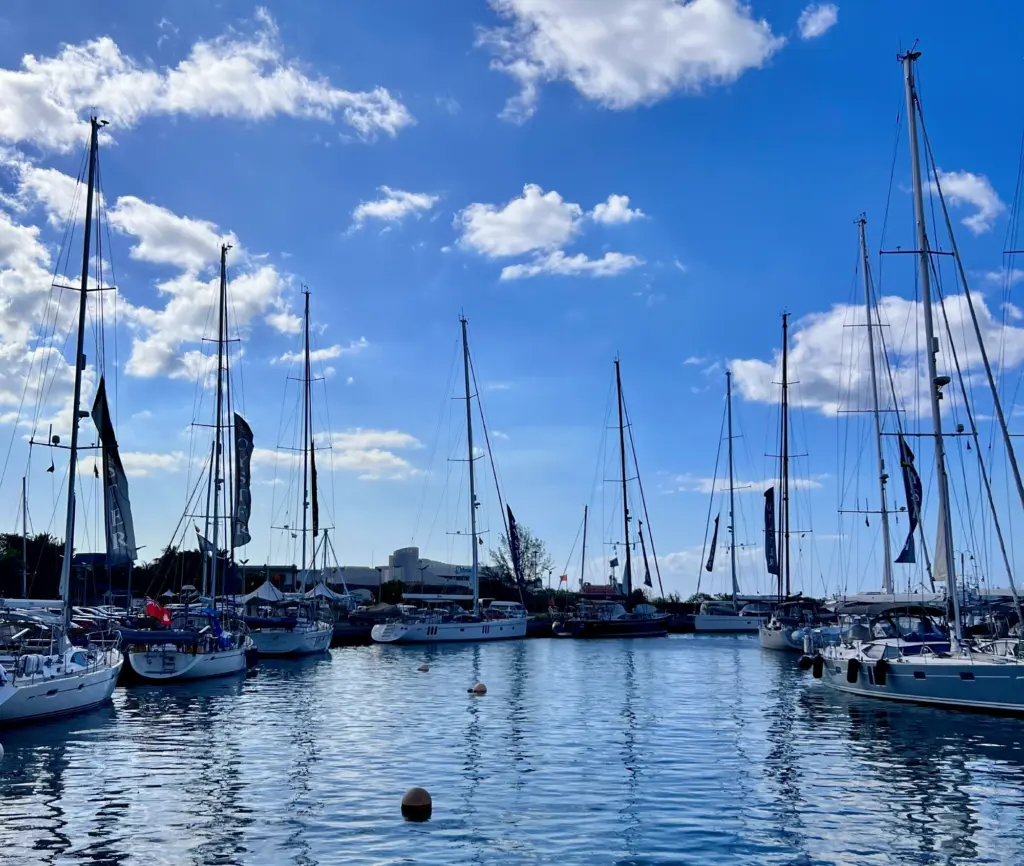
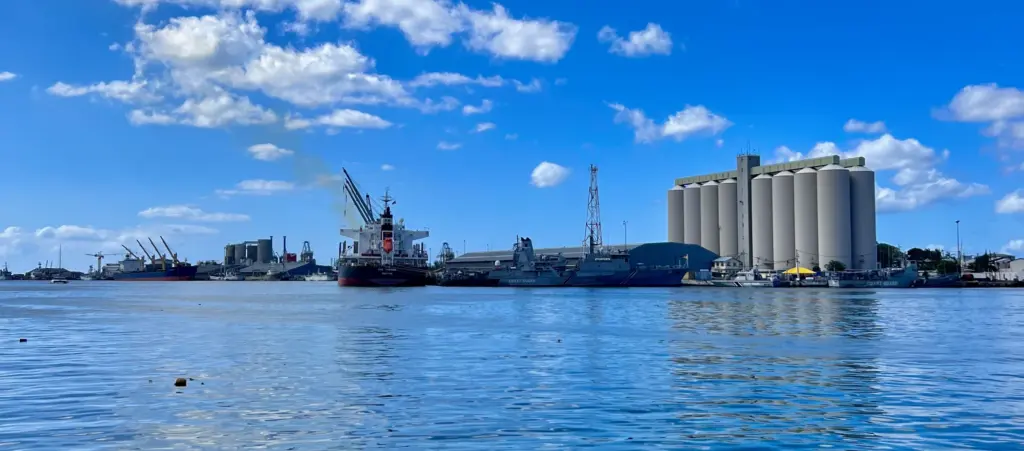
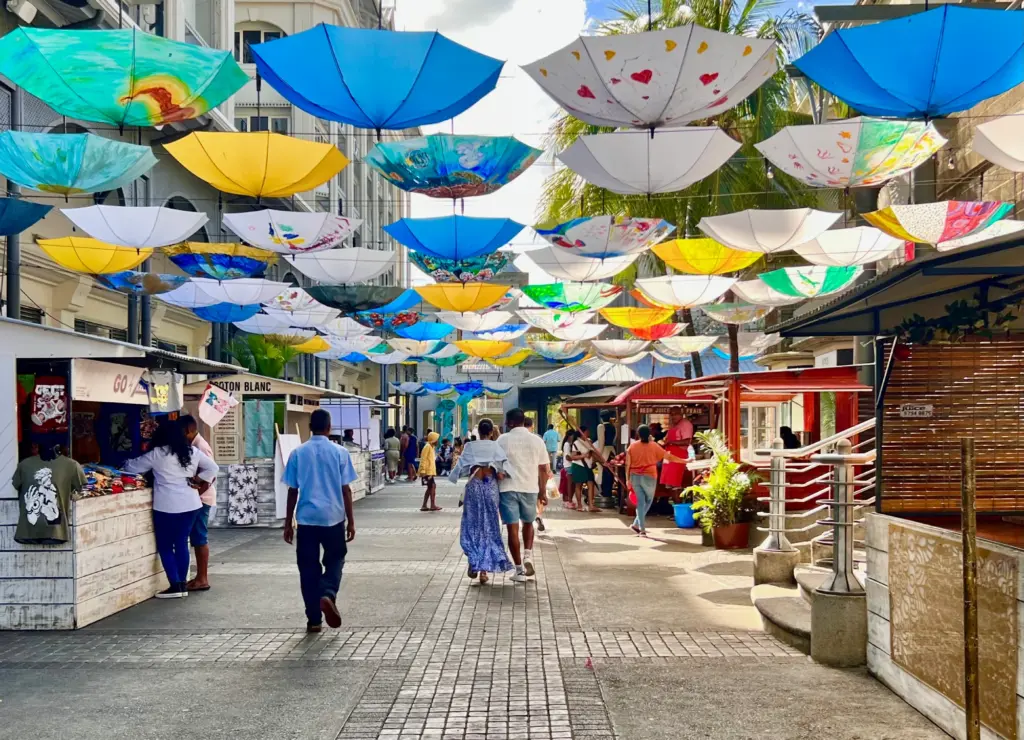
It’s not a huge city, and you read it quickly enough. Waterfront and marina, yachts, small malls, classy shops, pretty cafés, and some fine restaurants. Also lawyers’ offices, investment advisers, and hundreds of consultants offering offshore company incorporation. Then there’s harbour traffic, cranes, silos, ferries, and the signs of an island shaped by trade over a long time. Working harbour on one side. Polished boats and promenade on the other. The contrast is clear, and it gives Port Louis a bit of extra depth compared to the rest of the island.
It also balances the usual beach version of Mauritius. Not just shoreline and resort polish, but a vibrant modern economy too, with financial services, legal advice, port activity, infrastructure, and the practical business of island life out in the open. Not romantic, maybe. Better than that. More solid. And more interesting than just palms, turquoise water, and luxury beach hotels.
Roads, Detours, and the Slightly Expensive Side of Paradise
On my way to Chamarel, I really wanted to stop at Buddha-Bar Beach in the south for lunch. Time did not allow for it. The detour was long enough to break the road-trip maths, so the overpriced sushi in a strong setting had to wait for another day.
But that polished side is only half the fun. Mauritius also has those cute, slightly chaotic, family-run beach restaurants. I found one right in the middle of Grand Baie. Simple place. Friendly from the first minute. A slightly squeaky wooden patio floor on the way out to my beachfront table, which was already a good sign. The daughter and son were going out of their way to pay attention to the guests, and the father kept following up to make sure I was genuinely enjoying my visit. I was. No worries there. And that lobster was heavenly, at a fraction of what a fancy hotel restaurant would probably have charged for roughly the same level of happiness.
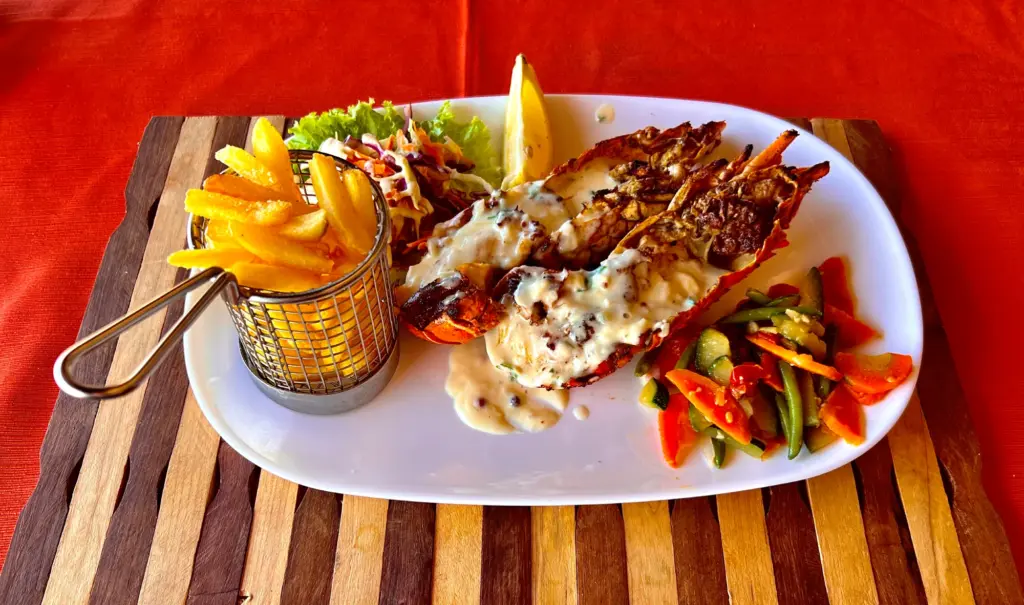
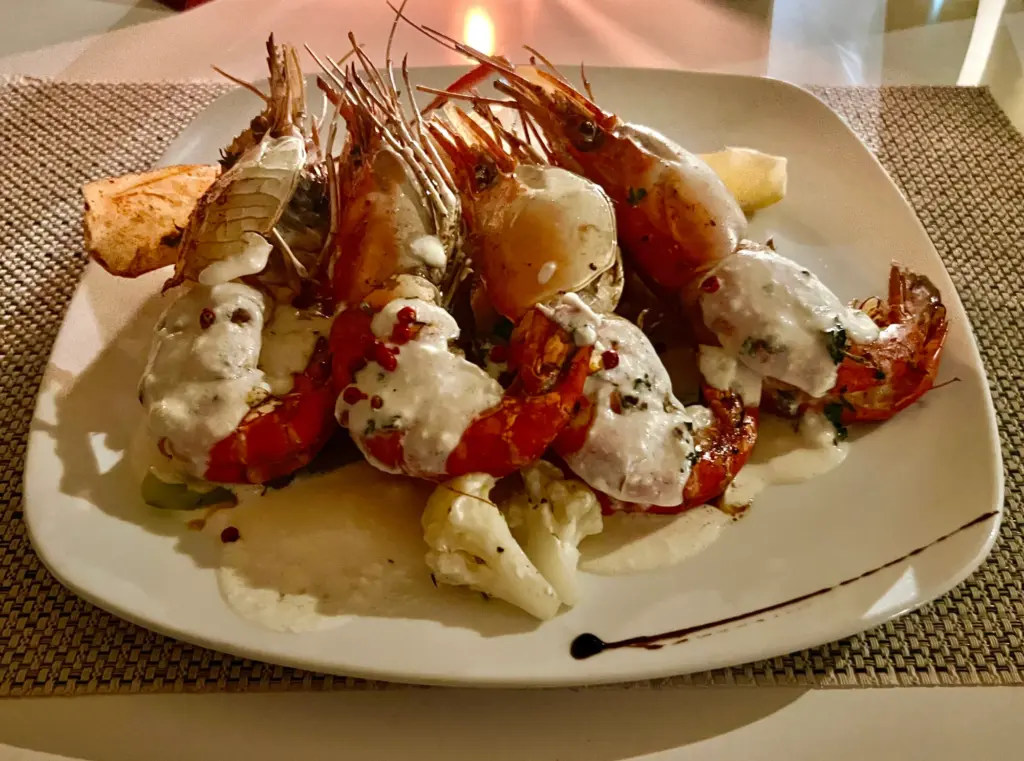
The seafood in Mauritius also has an unfair advantage. The southern Indian Ocean is cooler than the waters around the equator, for obvious reasons, and that tends to make the seafood noticeably tastier than what you usually get further up around East Africa. Not that I am complaining about East African seafood. I have eaten enough of it quite happily. But Mauritius does have an edge there.
That is part of the rhythm here. Drive, stop, look around, eat something good, keep going. Mauritius is compact enough to be fairly easy to cover. Small enough to be easy to criss-cross, but big enough to offer more than just beaches. That makes it very drivable, and very tempting to keep drifting off route.
Mauritius, Properly
Selling Mauritius as a paradise island is easy. Which is probably why so many do it.
The island is beautiful. Very. It has the water, the coast, the hotels, the polished version of tropical life that people happily fly across oceans for. But it gets more interesting once you leave the obvious version alone for a while. Get into the interior. Miss a plan. Drive somewhere. See a bit more than the beach. Eat well. Let the island get slightly less curated.
That is where Mauritius starts getting more interesting.
Beyond the Beach Version
A short look at Port Louis in motion. Waterfront, marina, harbour traffic, and a capital with more glass, steel, and paperwork than the usual Mauritius fantasy package.