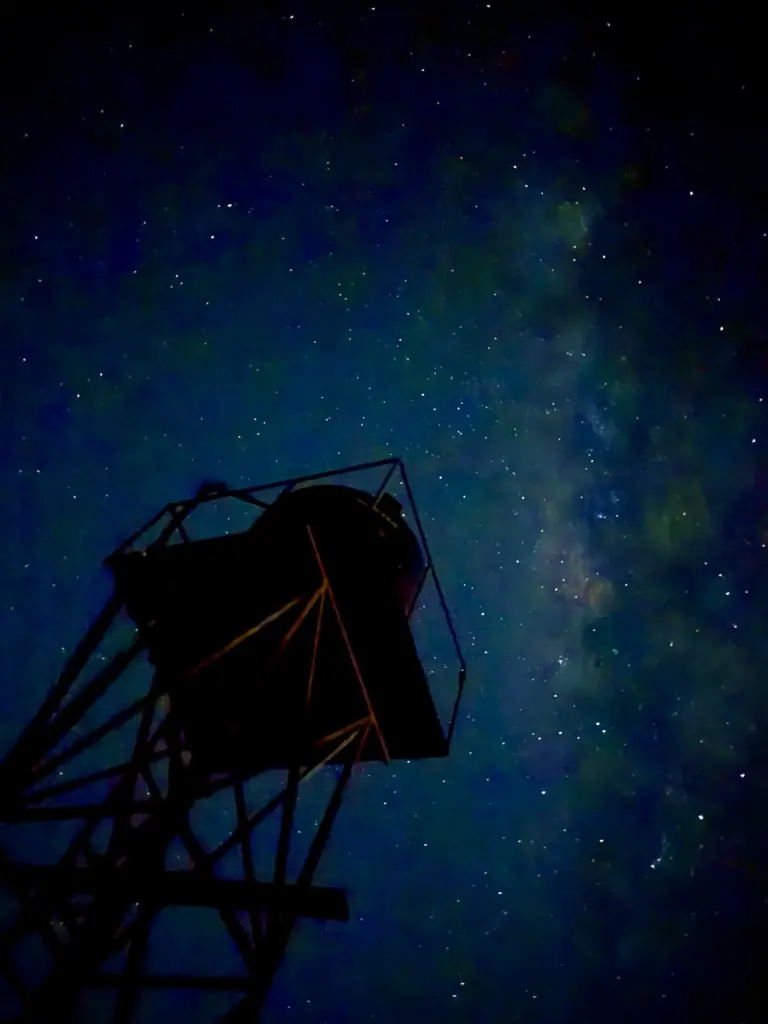
I first went to Amboseli in 2003, then went back in 2013, 2014, and 2017, mostly on long weekend trips from Nairobi. Nairobi has plenty of ways to get out of the traffic, noise, and urban chaos without travelling too far. But Amboseli has always been different for me. That big open country, the dust, the elephants, and Kilimanjaro sitting on the horizon. Hard to beat. Elephants. Maasai land. Big open country. With Kilimanjaro as the unmissable, powerful backdrop.
It’s a place that is easy to enjoy. You leave Nairobi, drive out into the dry south, and before long the whole mood changes. The land opens up. The air gets dustier. The horizons stretch properly. Then the wildlife starts appearing, and suddenly your weekend has improved quite a lot.
What you’ll find here
At the foot of the mountain
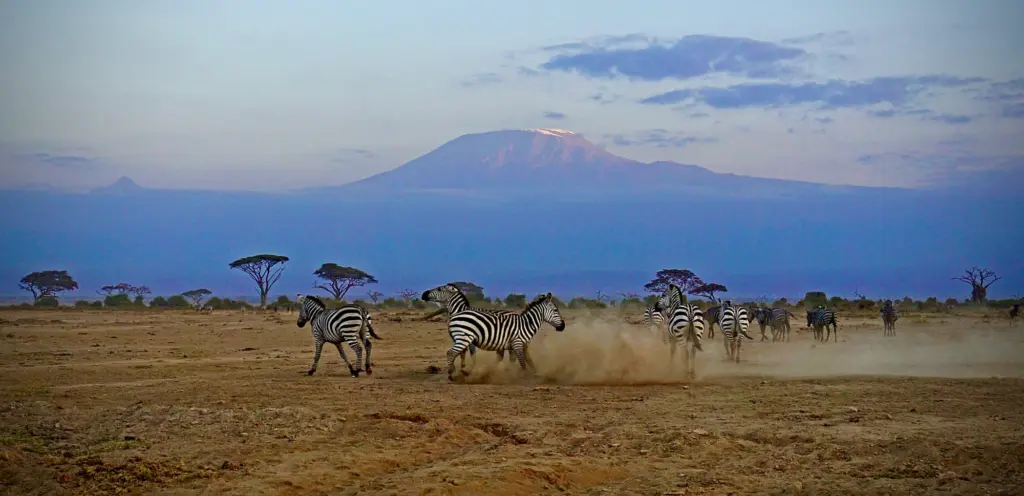
Let’s be honest. Kilimanjaro is a huge part of the deal here.
When not covered in clouds, Amboseli becomes one of the most absurdly photogenic wildlife settings in East Africa. You can be looking at a line of elephants crossing the plains, a few zebra dotted around in front, maybe giraffes drifting through the acacias, and then there it is in the background. Massive. Snow-capped. It’s one of those backdrops that can suddenly make a fairly ordinary wildlife sighting look like something from a very expensive camera advert.
When you can see it, that is. Kilimanjaro can be wrapped in clouds for days, and then suddenly appear out of nowhere. You know it is there. You know in which direction you’re supposed to look. But all you see is some dull, grey clouds. Then the sky clears and all of sudden, Amboseli goes from just another place with animals, to some of the purest magic in Africa.
The land of the elephants
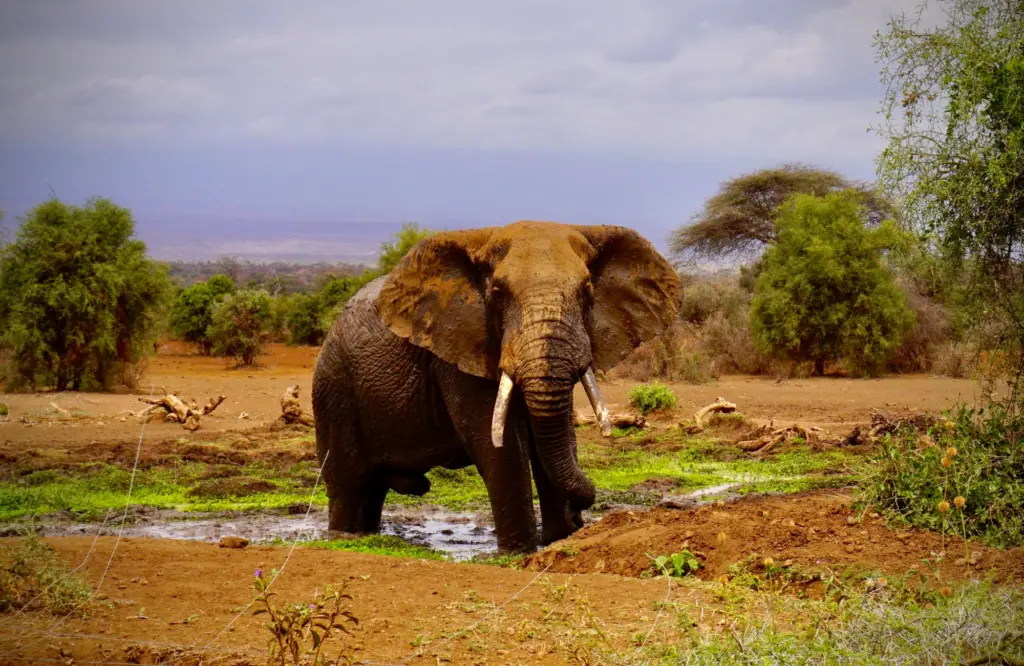
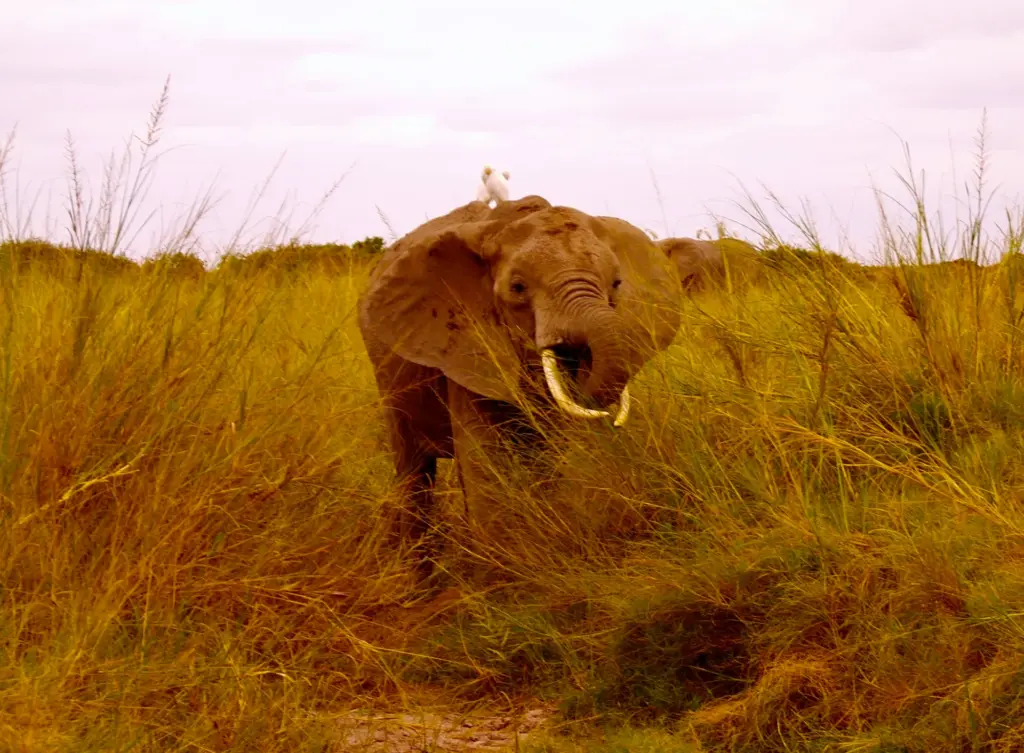
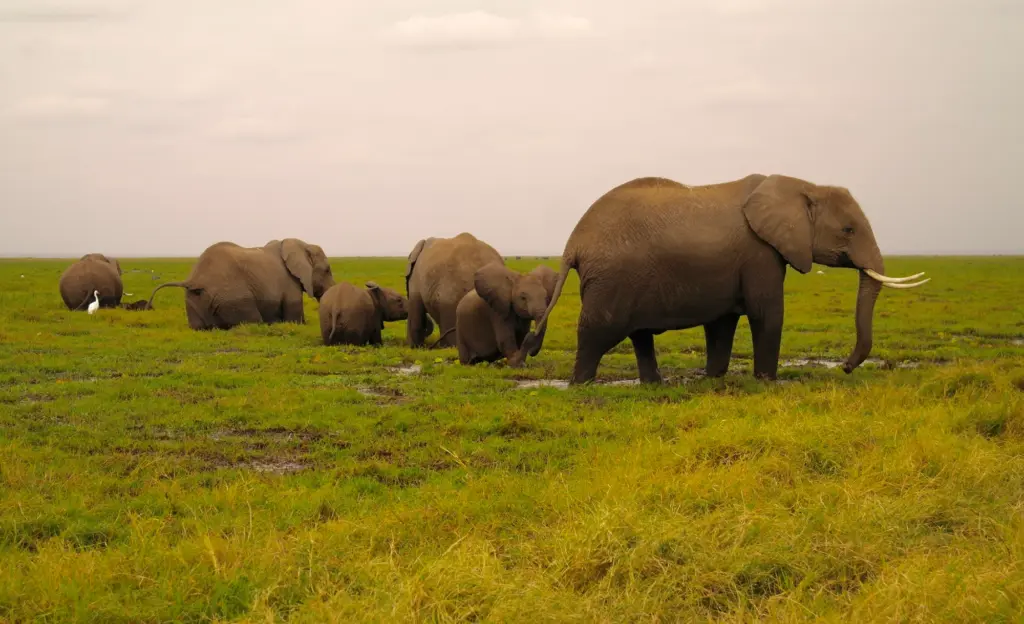
Amboseli is especially known for elephants, and rightly so. This is proper elephant country. Not the odd sighting and a dusty backside vanishing into the bush, but big bulls, family groups, and calves doing their best to keep up. In Amboseli’s wide, open landscape, they are easy to spot, and it doesn’t take long to realise just how many there are. The density is high, the encounters are often close, so if you’re chasing that perfect close-up elephant photo, this is probably the right place for it.
Just remember: if you’re close enough to start wondering whether the ear-spreading, head-shaking, and dust-kicking mean the elephant has had enough of you, that is your answer. Time to drive on.
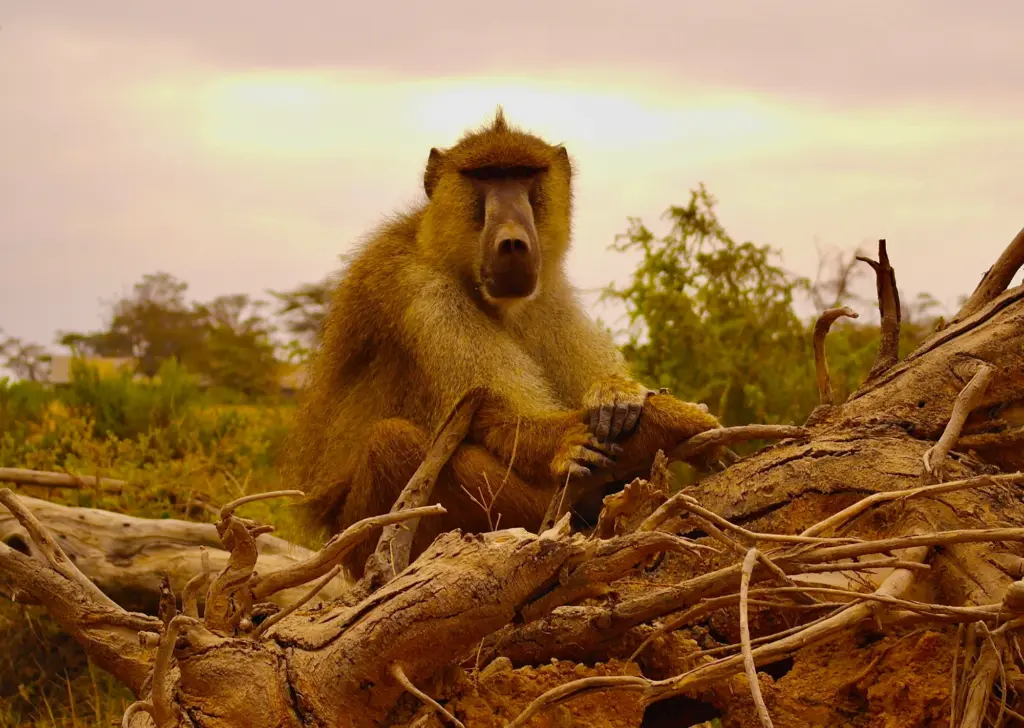
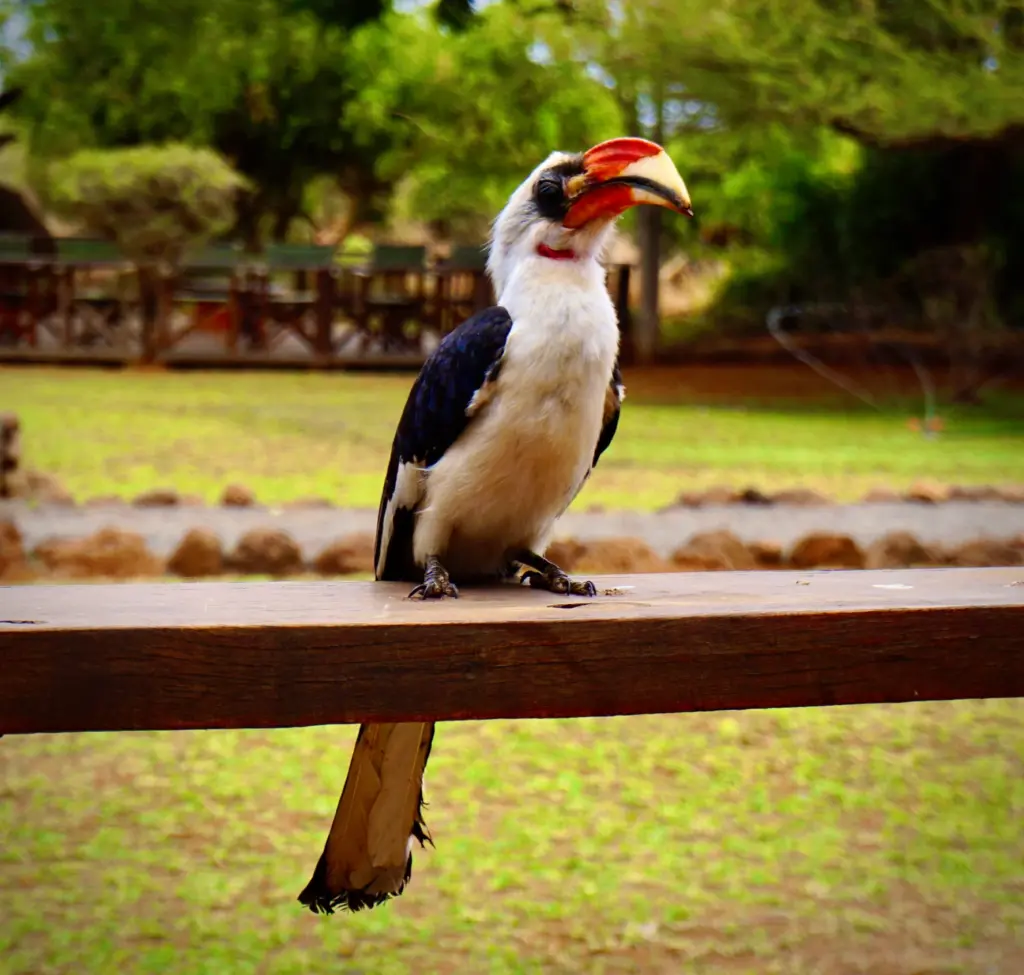
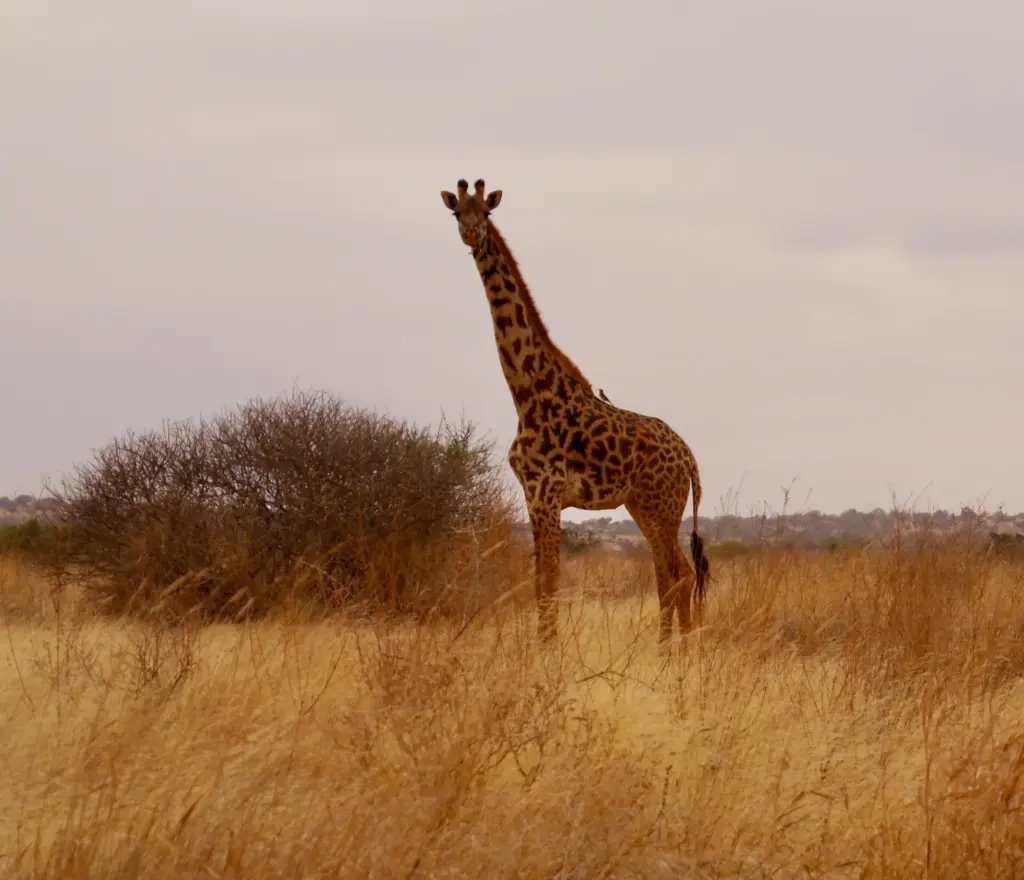
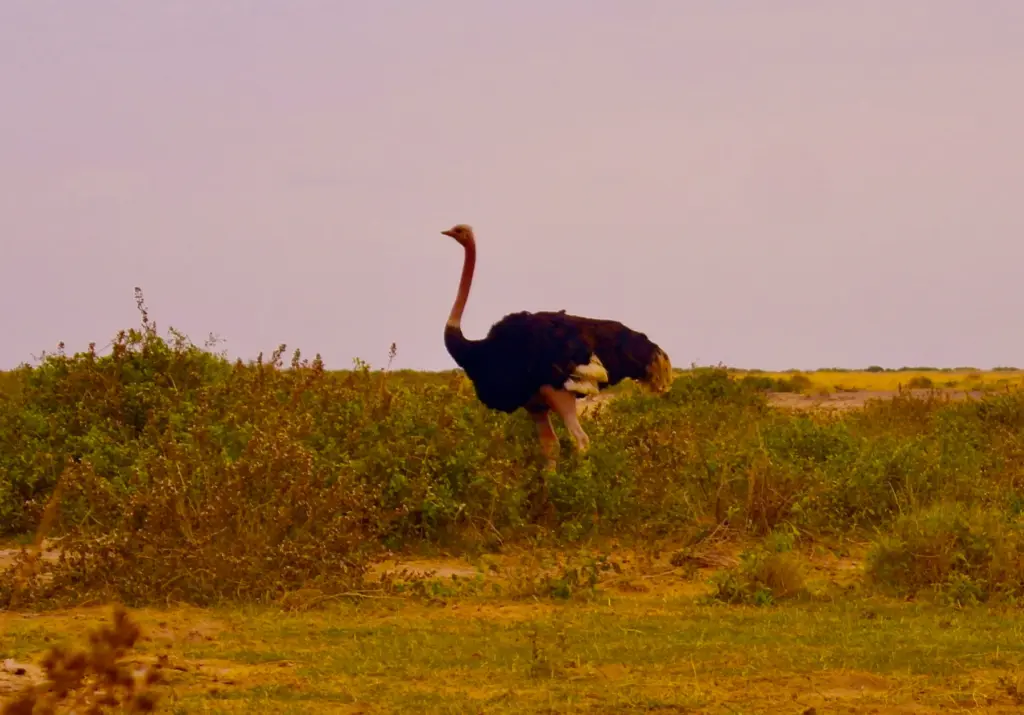
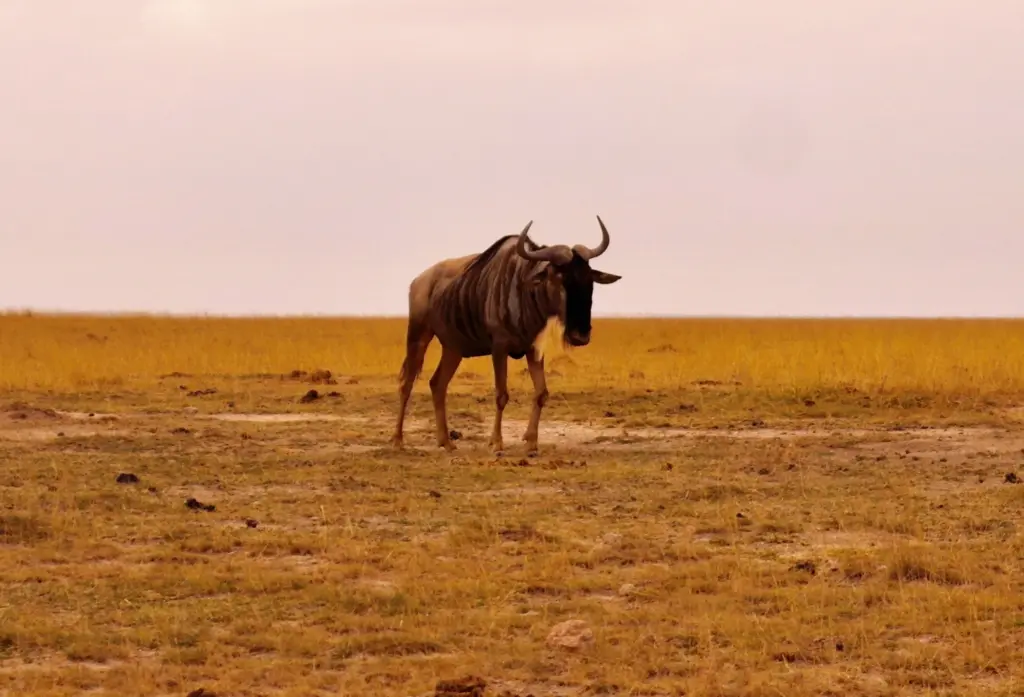
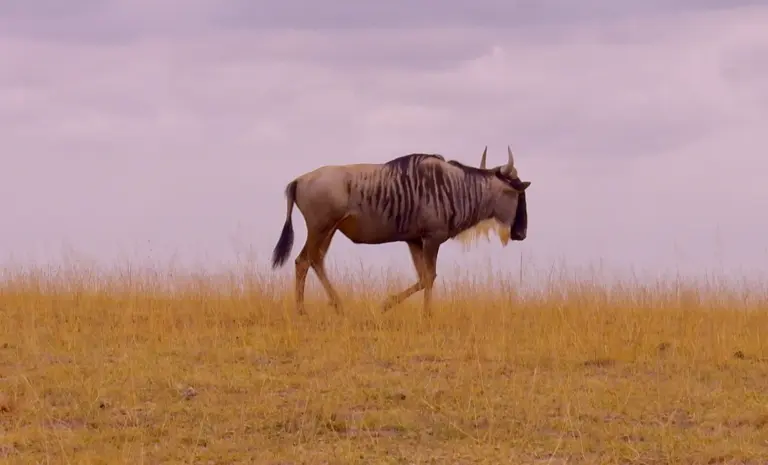
But Amboseli is not just about elephants. There are buffalo, zebra, wildebeest, giraffes, gazelles, warthogs, hyenas, and, with a bit of luck, lions too, provided they are not off being difficult somewhere else. Birdlife adds plenty around the wetlands, and the whole mix makes Amboseli feel full even on a quiet game drive. Even without a big dramatic moment, there is usually enough going on.
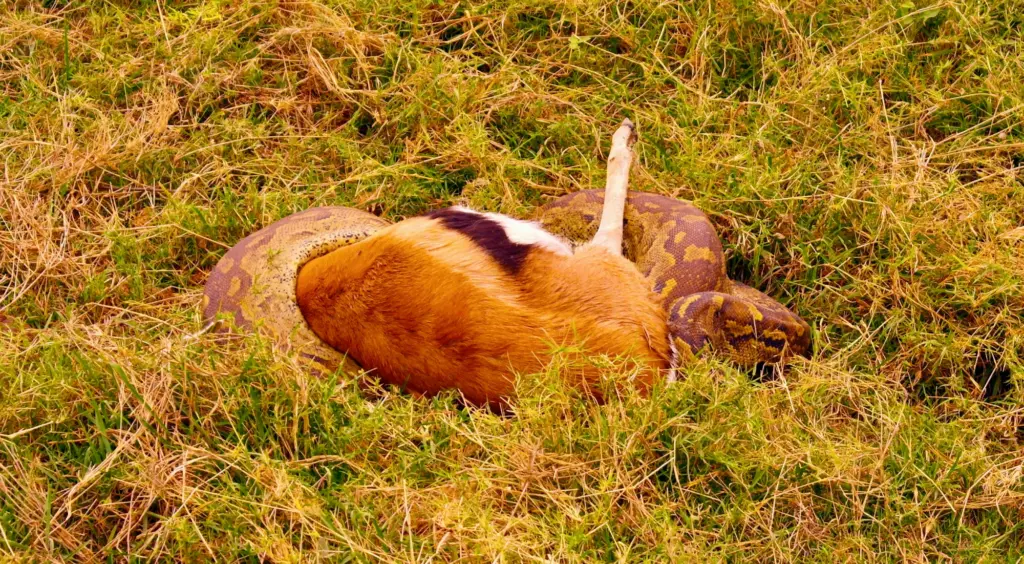
And then some times, all it takes is a bit of luck. You can end up with a front-row seat. Like this shot I got in 2014, of a rock python turning a Thomson’s gazelle into the day’s main course.
As usual, I was doing my own game driving when I slowed down because a safari van had stopped by the road. It didn’t take long to see why. Safari vans have their own radio grapevine, and within minutes, the whole of Amboseli seemed to know about it. Luckily, I already had the best spot!
Amboseli and the Maasai Mara are very different safaris. The Mara has heavier wildlife density. Amboseli has elephants, open dust plains, swamps, Maasai country, and Kilimanjaro when the clouds are not ruining the view.
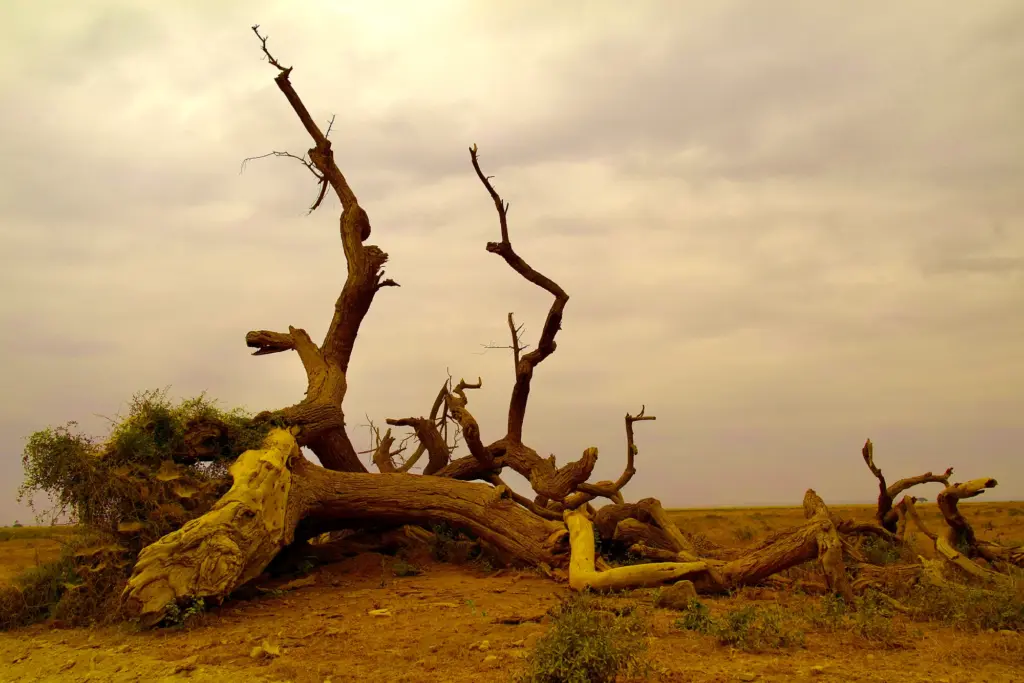
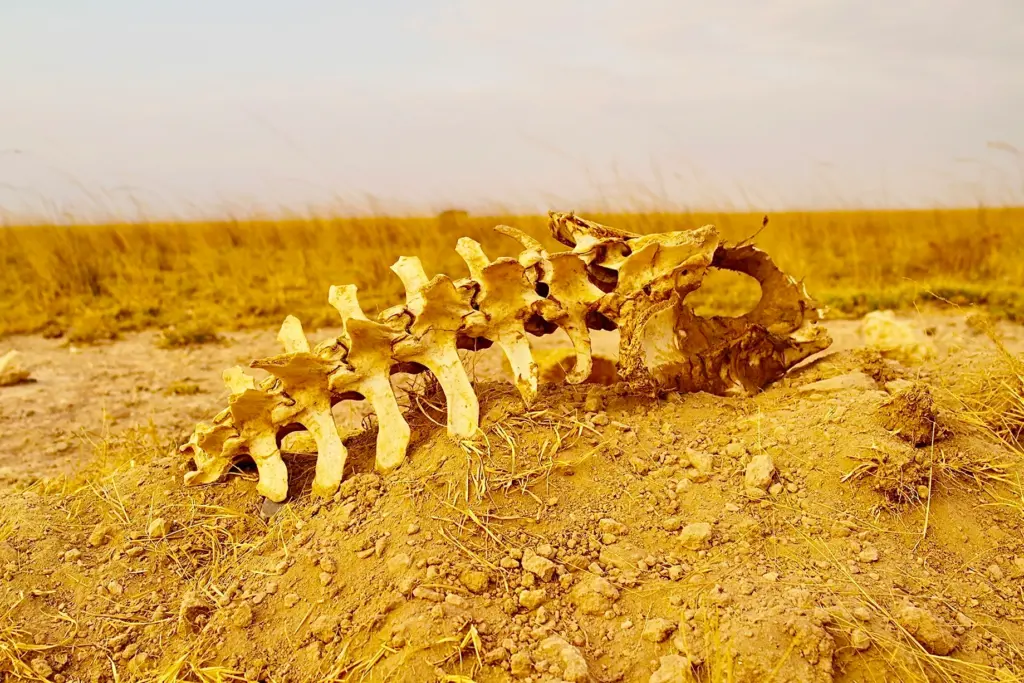
The contrasts are part of the charm in Amboseli. Some stretches feel dry, dusty, and almost stripped back to the basics. Then you hit the swamps and everything changes. Water. Green reeds. Birds everywhere. Animals gathering where the life is.
Maasai Land, Not Just Safari Scenery
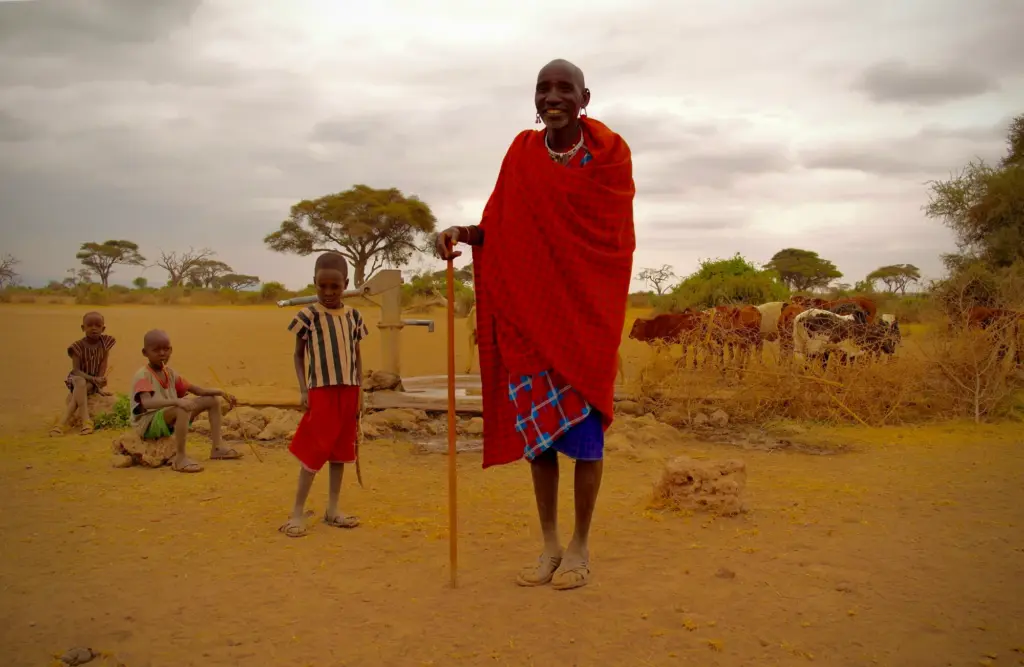
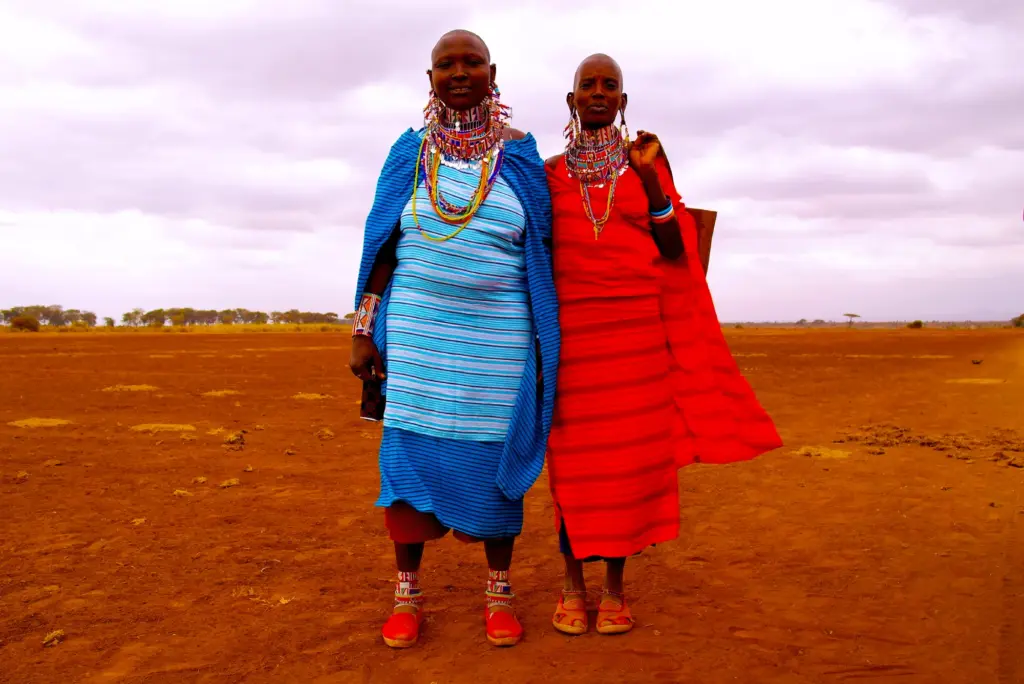
Amboseli is also Maasai land. There are villages here where many traditions remain firmly in place, shaped by cattle, land, livestock, and long coexistence with wildlife.
People may have smartphones and broadband, but that has little to do with why these traditions continue. For many Maasai here, they are part of identity, daily life, and social structure. Modern technology does not replace that.
In Amboseli, culture, tradition, flora, and fauna all sit close together. The Maasai have lived alongside the wildlife here for centuries, and the human side is as much part of the picture as the animals and scenery people come to see.
Tawi for Quiet, Serena for Classic Safari Rhythm
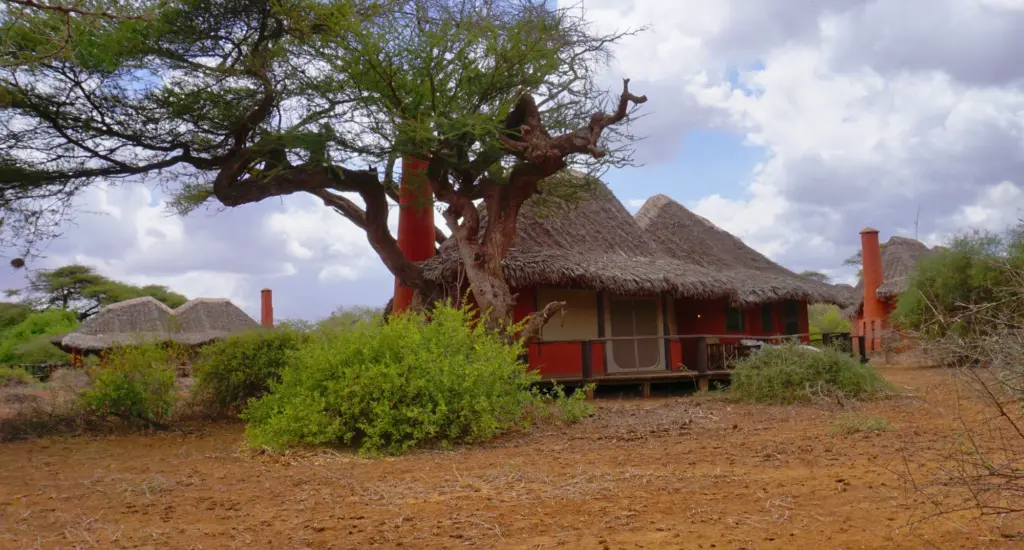
On different trips I have stayed at both Tawi Lodge and Serena, and they bring out slightly different sides of Amboseli.
Tawi Lodge is quieter and more tucked away, which fits the landscape well. It suits a trip where you want some calm after the drive down from Nairobi. This is not the kind of place that feels busy or crowded.
Serena leans more into the classic safari-lodge setup. More established, more familiar, and more plugged into the usual rhythm of game drives, early starts, and people comparing sightings over dinner as if points were being awarded. It also has real comfort to it. Good atmosphere, a sense of being looked after, and the kind of breakfast prosecco that makes it very clear your schedule for the day is not especially demanding.
Both are strong options. Tawi if you want more privacy and less noise. Serena if you want the classic safari-lodge version, with a bit more buzz around it.
Easy to like, always tempting to revisit
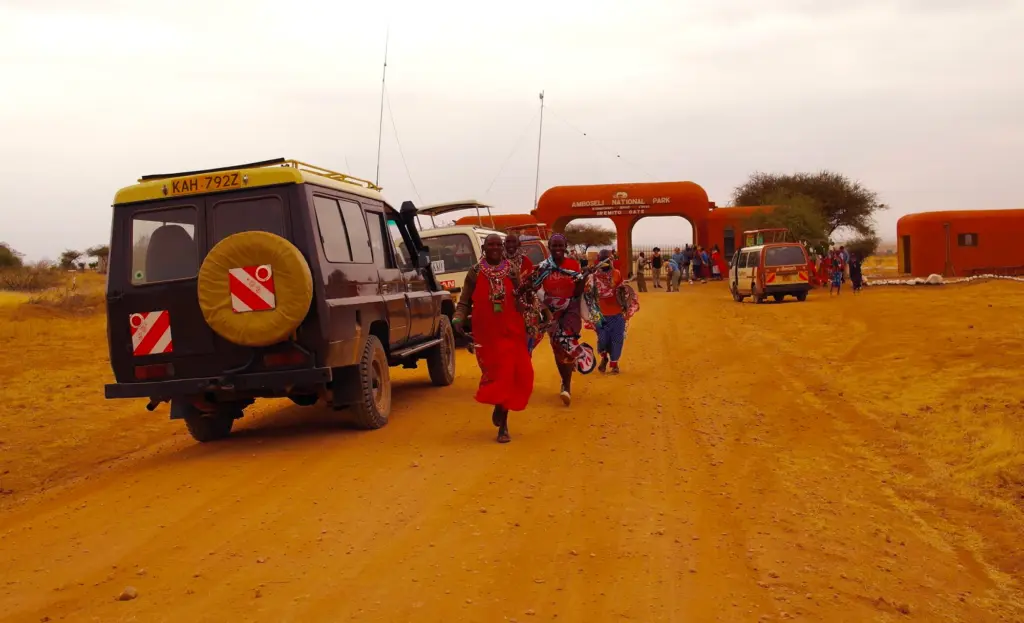
Amboseli is easy to reach from Nairobi, yet far away from the noise and chaos. Unlike the old days, when the drive turned rough once you branched off at Kimana, the C103 is now tarmacked all the way to the gate. Come in through Meshanani from the other side, though, and the roughly 20 km from Namanga will still give your car a hard time. Inside the park, the roads are gravel, but generally decent enough.
Once in, there are the elephants, the swamps, and, on a clear day, Kilimanjaro in full view. That combination has brought me back more than once.
Scenery, wildlife, atmosphere, Maasai country, and Kilimanjaro on a good day. Enough reasons to keep coming back if you ask me.